You Give Love A Bad Name by Bon Jovi
The Heart of the Hook: What It Means
The meaning of You Give Love A Bad Name Bon Jovi centers on betrayal turned into a rallying cry. The narrator is blindsided—emotionally wounded—and channels that shock into a stadium-sized accusation. The song is not just heartbreak; it’s a performance of defiance, sharpening pain into a hook everyone can shout.
"You Give Love A Bad Name" - Bon Jovi
And you're to blame
Darlin', you give love a bad name
Loading lyrics...
Unable to load lyrics
We're unable to display the lyrics at this time. Please try again later.
As an anthem, it names a single person as the cause, but the title suggests something bigger: one bad romance can sour how people see love itself. The singer feels wronged and wants the world to hear it.

Watch the official You Give Love A Bad Name
music video
Who’s Speaking & Who’s to Blame?
The narrator speaks in first person to an ex. They recall being seduced by an angel's smile
only to feel the sting later. The blame is direct and repeated—you’re to blame
—which makes the song both personal and universal.
The language is theatrical: metaphors escalate ordinary heartbreak into high drama. Calling the lover a loaded gun
turns intimacy into danger, while passion's a prison
frames desire as a trap. The point isn’t subtlety; it’s impact.
From Flirtation to Fallout
Here’s the story in quick beats:
- Attraction: the lover’s charm seems angelic, and appearances feel irresistible.
- Seduction: promises of heaven turn into emotional turmoil and mixed signals.
- Realization: the narrator recognizes manipulation—
play my part
hints at a rigged script. - Accusation: the chorus brands the betrayal for all to hear.
- Aftermath: the damage is done, and there’s no going back.
By putting blame into a communal chant, the song transforms a breakup into catharsis.
Symbols That Turn Love Into Combat
Weapon imagery—from shot through the heart
to that loaded gun
—casts romance as a duel. Heaven/hell language marks a fall from idealized love to distress. The cosmetic details—blood-red nails and a painted smile—work as a mask motif: what looks perfect hides danger beneath.
The phrase passion's a prison
captures the song’s tension. Desire traps the narrator, but the chorus becomes the escape route. Shouting the hook is a loud jailbreak from the relationship’s hold.
Production That Made Betrayal Sound Huge
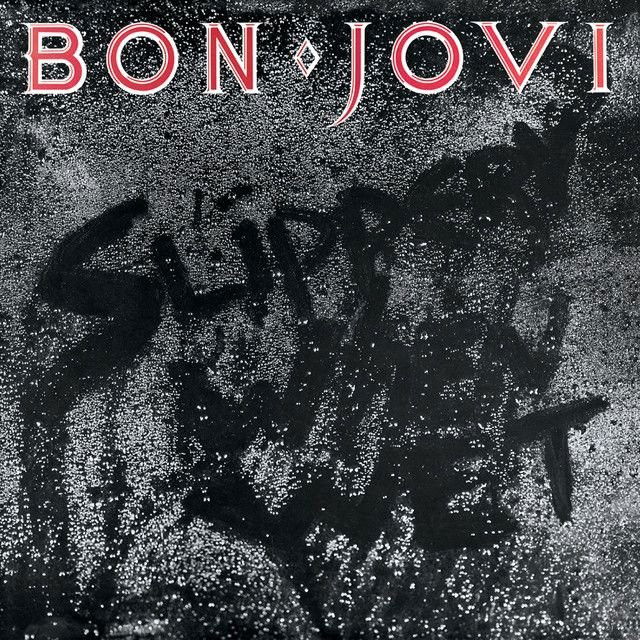
Released in 1986 as the lead single from Slippery When Wet, the track became Bon Jovi’s first No. 1 on the U.S. Hot 100. Producer Bruce Fairbairn shapes it for arenas: chugging Richie Sambora guitar, tight Tico Torres drums with big-room reverb, and layered backing vocals that punch the hook. The arrangement sets up the chorus like a spring-loaded device—verse tension, pre-chorus lift, then the shout-along payoff.
There’s craft behind the catchiness. Song doctor Desmond Child had earlier developed the chorus melody in a Bonnie Tyler cut and later rewrote it with Jon Bon Jovi and Sambora. That recycling isn’t a flaw; it’s a masterclass in how a great topline, given new words and a harder edge, can find its perfect home.
Why the Chorus Hits Like an Arrow
The chorus flips pain into public theater. The repeated accusation is simple, singable, and easy to own in any breakup. In performance, the crowd becomes the narrator; the hook gives them permission to point and vent.
Interpretation: the refrain doesn’t only blame one person. It warns how betrayal can stain love’s reputation in their mind. The song is a shield as much as a spear.
Legacy, Misconceptions, and Alternate Reads
The track is widely tagged as glam metal and hard rock, and it helped push the band from openers to headliners. It remains a go-to opener or encore because that chorus lands fast. Some confuse it with Bon Jovi’s 1984 album cut “Shot Through the Heart,” but this single is a different composition despite the shared phrase.
Interpretation: the lines about roles and games—play my part
—hint at image and performance. The relationship itself might be staged: seduction as marketing, romance as strategy. In that light, calling out a bad name
is also a demand for authenticity.
Takeaway and Note on Interpretation
At its core, the song is a theatrical breakup—fast, bright, and vindicating. It turns private hurt into a public chant and lets listeners leave with their head up.
Disclaimer: This analysis blends documented background with interpretation. Meanings can vary by listener and context.








