Why “Total Eclipse” Still Feels So Devastating
The meaning of Total Eclipse of the Heart Bonnie Tyler comes down to emotional blackout. The song captures what it feels like when love stops being a source of warmth and becomes a source of fear, need, and confusion. It is not subtle, and that is exactly why it lasts.
"Total Eclipse of the Heart" - Bonnie Tyler
And you're never coming 'round
(Turn around) Every now and then I get a little bit tired
Loading lyrics...
Unable to load lyrics
We're unable to display the lyrics at this time. Please try again later.
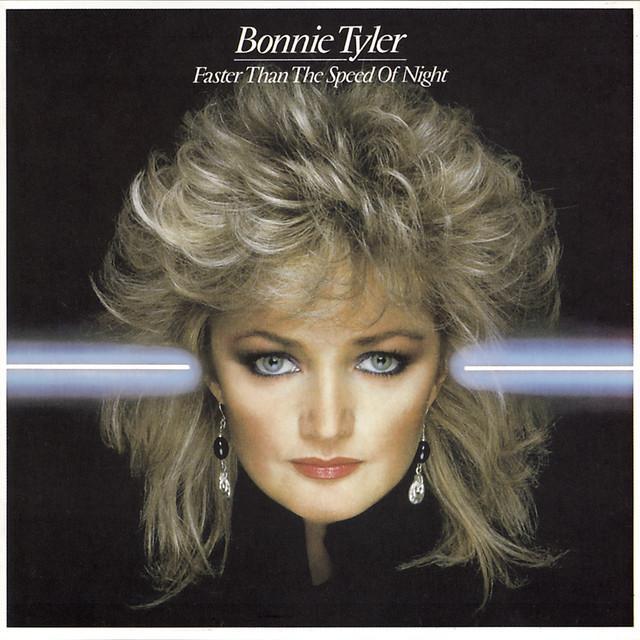
Released in 1983 as the lead single from Faster Than the Speed of Night, the song was written by Jim Steinman and produced by Steinman with Bonnie Tyler for Columbia Records. It became Tyler’s biggest hit, reaching No. 1 on the Billboard Hot 100 and topping charts in several countries. Those facts are widely documented by sources like Billboard and AllMusic.
A Love Song Written Like a Meltdown
On the surface, the song is about missing someone and wanting them back. But the emotional scale is much bigger than ordinary heartbreak. The verses move through loneliness, fatigue, dread, and panic, building toward collapse.
The repeated cry of turn around
sounds like more than a simple request. It feels like they are begging for attention from someone who has drifted away. When the voice reaches I fall apart
, the song stops sounding romantic and starts sounding desperate.
Interpretation: This is a song about dependence as much as desire. The speaker does not just want love. They seem to feel unable to function without it.

Watch the official Total Eclipse of the Heart
music video
How the Chorus Turns Heartbreak Into an Eclipse
The title image is the key to everything. An eclipse is temporary darkness caused when one body blocks another body’s light. In the song, that image becomes a way to describe a heart that has lost its sense of direction.
When the lyric contrasts past light with present darkness, it suggests that love once felt clear and hopeful. Now it feels hidden, distorted, or swallowed up. The phrase falling apart
pairs with the title to show emotional disintegration, not just sadness.
Once upon a timelove felt alive and bright.
Now that light is blocked, and the heart lives in shadow.
That fairy-tale opening phrase matters. It makes the past feel almost mythical, as if happiness belongs to another world.
The Push and Pull Inside the Verses
One reason the song feels so intense is that it keeps shifting between memory and immediate need. The speaker remembers how love used to feel, then rushes back into the present, where everything is unstable.
A few lines make that tension clear:
need you now tonight
shows urgencyalways in the dark
suggests confusionpowder keg
hints at danger
Those images widen the song’s meaning. This is not just longing for a lost partner. It is living inside a relationship, or the memory of one, that still has explosive power.
Interpretation: The speaker may be addressing a lover who is absent, but they may also be trapped in a cycle of emotional chaos. The song leaves both options open.
Bonnie Tyler’s Voice Makes the Pain Believable
Bonnie Tyler’s vocal performance is a huge part of why the song works. Her raspy voice sounds worn, forceful, and vulnerable at the same time. Instead of singing heartbreak as something delicate, she sings it as something stormy and physical.
That matters because Jim Steinman’s writing is famously theatrical. He also wrote large-scale, dramatic songs for artists including Meat Loaf, and his style often blends rock opera, romance, and catastrophe, as noted in biographies and retrospectives from outlets such as Rolling Stone and AllMusic.
Tyler keeps the song grounded. Steinman gives it thunder; Tyler gives it bruises.
Why the Production Feels So Huge
The production supports the meaning at every step. The piano and drums give the verses a sense of gathering force. Then the arrangement opens wider, with layered backing vocals and booming instrumentation that make the chorus feel almost cosmic.
That scale is important. The song is about private pain, but it sounds enormous. The music tells listeners that this heartbreak feels world-ending to the person inside it.
The structure also mirrors emotional overload. Each section rises, repeats, and intensifies, as if the speaker is caught in the same thoughts again and again. There is no calm resolution. Even the biggest moments sound like they are reaching for stability and missing it.
More Than a Breakup Ballad
Many listeners hear the track as a breakup song, and that reading makes sense. But it can also be heard in a broader way. The song may describe an unhealthy attachment, where love brings both comfort and destruction.
There is also a theatrical, almost gothic quality to it. Steinman reportedly first imagined it in relation to a vampire story before reshaping it, a piece of background often cited in discussions of the song’s origins. That does not mean the final lyric is literally supernatural. It means the song was built to feel haunted, oversized, and feverish.
Why It Still Connects
The meaning of Total Eclipse of the Heart Bonnie Tyler still resonates because it takes feelings many people know—loss, obsession, regret, fear—and magnifies them without apology. It does not try to be cool or restrained. It tells the truth of emotional excess.
That honesty is why the song survives parody, nostalgia, and decades of radio play. Beneath the giant chorus is a simple human experience: they once felt lit from within, and now they do not know how to get that light back.
Disclaimer: This interpretation is based on the lyrics, recording context, and public commentary. As with any song, meaning can vary from listener to listener.








