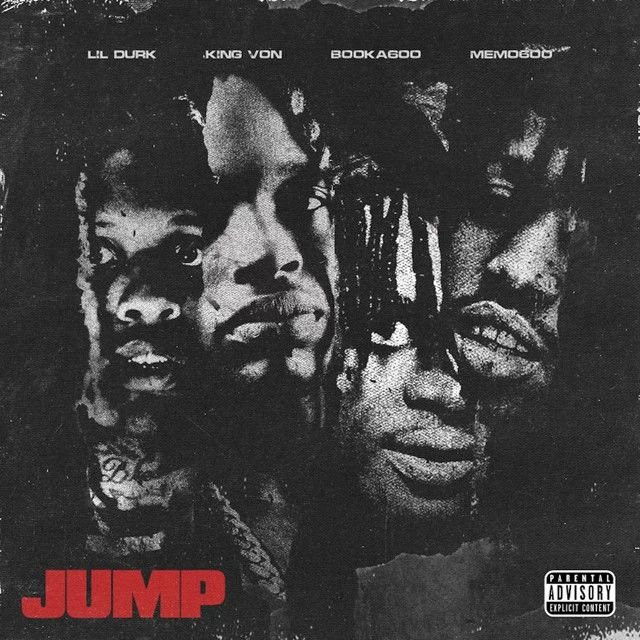
What "JUMP" Says About Survival and Status
The meaning of JUMP Lil Durk, King Von, Booka600, Memo600 comes from how plainly it treats danger. This is not a song that hides behind coded poetry. It sounds like a warning, a status report, and a statement of group identity all at once.
"JUMP" - Lil Durk, King Von, Booka600 ft. Memo600
And it's still a few hitters from the six (six)
Jumpin' over bodies when them boys ain't hit the switch
Loading lyrics...
Unable to load lyrics
We're unable to display the lyrics at this time. Please try again later.
At its core, "JUMP" is about survival in a world where loyalty and violence are tightly linked. The rappers present their block, their crew, and their personal history as things that shape every choice. The song’s force comes from how they describe that life as normal, even when it is chaotic.
The Real Message Behind the Aggression
The most direct reading is simple: they are defending reputation. Lines about the "six" and the crew place the song inside a local identity, with neighborhood ties standing in for family, pride, and history. When they describe conflict, they are not presenting it as random. They frame it as part of a code.
That is why short phrases like it's a drill
matter. The song treats violence less like an emotional outburst and more like a routine. That numbness is a big part of the meaning.
Interpretation: The track is not only trying to intimidate rivals. It is also showing how repeated trauma can make extreme behavior sound ordinary.
Watch the official JUMP
music video
Four Voices, One World
Although the song is credited to Lil Durk, King Von, Booka600, and Memo600, the voices work like parts of one larger scene. Each verse adds a different angle on the same reality.
King Von brings cold detail and challenge. When he asks whether others have really lived this life, he turns the song into a test of authenticity. A phrase like better not fold
sums up his point: in their world, fear is judged harshly, and loyalty under pressure becomes a measure of worth.
Booka600 and Memo600 help reinforce the crew mentality. Their presence matters because "JUMP" does not sound like one person’s diary. It sounds collective, almost like a neighborhood conversation where everyone is confirming the same code.
Lil Durk adds the widest emotional range. He still sounds threatening, but he also pulls in money, addiction, prison risk, and family responsibility. That gives the song more depth than a simple diss record.
Durk’s Verse Connects Wealth to Damage
Durk’s section is where the song expands. He contrasts success with old pain, showing that fame did not erase what came before. When he says still rich
, the point is not just celebration. It is survival after legal trouble, poverty, and public pressure.
He also admits cost. The mention of pills and a ruined life brings vulnerability into a song full of chest-puffing. That contrast matters. The track says status can change your surroundings, but it does not fully heal the person living through them.
Another sharp line is Voice of the streets
. That phrase presents Durk as more than a rapper with money. He is claiming witness status, as someone who carries stories from his environment into mainstream success.
Street Code, Grief, and Retaliation
A major theme in "JUMP" is revenge as duty. The song repeatedly suggests that loss demands response. In that logic, grief does not get processed quietly; it gets redirected into action.
That idea appears in references to dead friends, prison, and people being exposed as fake. A phrase like you don't ask, just blow
captures the song’s harshest value system. It suggests that in moments of pain, there is no room for debate or hesitation.
Interpretation: This does not mean the song endorses that mindset in a moral sense. It presents it as the reality the artists are describing. The power of the track comes from how trapped everyone seems inside those rules.
How the Production Sharpens the Meaning
The beat supports that feeling with classic drill features: heavy low end, tense space, and a dark, stripped-back mood. The production leaves room for the voices to hit hard, which is important because the song depends on blunt delivery more than melody.
That sparse style makes every threat feel closer. Instead of chasing a big pop chorus, the track leans on rhythm, repetition, and vocal presence. The result is a song that feels pressurized, like something could snap at any moment.
This matters for the meaning of JUMP Lil Durk, King Von, Booka600, Memo600 because the sound mirrors the message. The beat does not comfort the listener. It keeps them alert.
Why the Song Still Hits Hard
Part of the song’s impact comes from artist context. Lil Durk and King Von were central figures in Chicago drill’s national rise, and both built reputations on mixing street realism with strong personality. Von, in particular, became known for vivid storytelling, a fact widely noted in coverage of his career by outlets like Rolling Stone and The New York Times.
That history changes how listeners hear "JUMP." It does not sound like fantasy. It sounds tied to real stakes, real losses, and real public images.
Final Take on "JUMP"
In the end, "JUMP" is about more than threats. It is about how violence, loyalty, masculinity, and survival become fused together in a certain environment. The song’s hardest lines are effective because they also hint at grief, pressure, and the damage left behind.
For listeners searching for the meaning of JUMP Lil Durk, King Von, Booka600, Memo600, the clearest answer is this: they use the song to show that street status is never just pride. It is also fear, memory, and consequence.
Disclaimer: This interpretation is based on the lyrics, performance, and public artist context. Meaning in music can vary from listener to listener.









