Why "Amanda" by Boston Still Works
The meaning of Amanda Boston fans keep returning to is simple on the surface: someone finally works up the courage to say "I love you." But the song lasts because it treats that moment as a real emotional crisis, not a small romantic gesture.
"Amanda" - Boston
There's something I just have to say
I don't think I could hide
Loading lyrics...
Unable to load lyrics
We're unable to display the lyrics at this time. Please try again later.
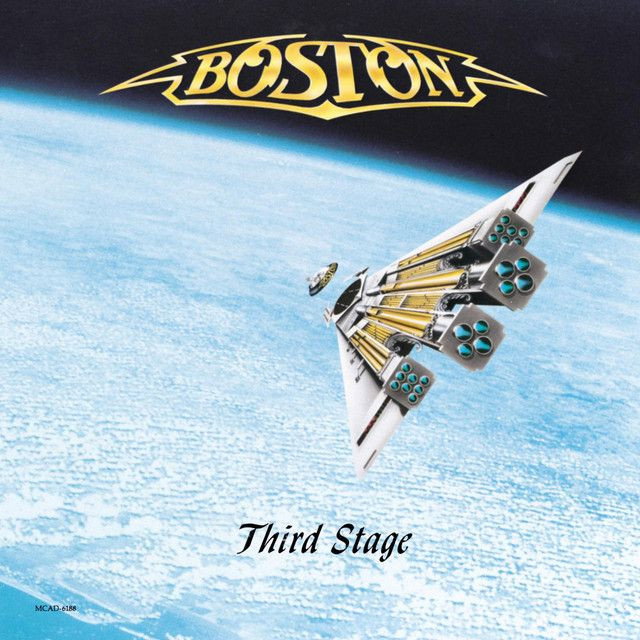
Released in September 1986 as the lead single from Third Stage, "Amanda" became Boston’s only No. 1 on the Billboard Hot 100 and also topped the Mainstream Rock chart. It was written and produced by Tom Scholz, even though the song had existed in earlier form years before release. Those facts matter because they help explain why the track feels so carefully built and so emotionally direct at the same time.
A Love Song About Waiting Too Long
At its core, the song is about emotional urgency. The narrator has already crossed the line from attraction into love, but they are stuck in the hardest stage: saying it out loud.
The verses are full of delay, doubt, and self-protection. They worry that confessing love could end the relationship before it truly begins. When the song mentions tomorrow's so far away
, it is not really about the calendar. It turns time into pressure. Waiting one more day feels dangerous.
That is the heart of the meaning of Amanda Boston listeners hear. It is a song about the gap between feeling and speaking. The narrator is not unsure about love. They are unsure about what love will cost.

Watch the official Amanda
music video
Fear Hides Inside the Ballad
What makes the lyric stronger than a standard power ballad is the fear running underneath it. This is not a victory song yet. Much of it is built on questions: Will the other person leave? Will the confession arrive too soon? Will honesty ruin the bond?
A short phrase like too close again
suggests a pattern. The narrator may have been emotionally exposed before, or they may simply know how quickly hope can become embarrassment. Either way, the song captures that shaky point where love feels both exciting and risky.
The Chorus Turns Hesitation Into Decision
The chorus changes the energy. Instead of asking questions, the narrator makes promises. With lines centered on I can't wait another day
, the song moves from fear to action.
Interpretation: this is why the chorus feels so cathartic. It is less about Amanda as a detailed person and more about the speaker finally becoming brave enough to speak plainly. The repeated name gives the confession a target, but the emotional breakthrough belongs to the narrator.
You and Ican share a life togetherit's now or never
This brief peak is where private feeling becomes imagined future. The song stops describing anxiety and starts imagining commitment.
Who Amanda Is — And Is Not
One useful fact: Amanda was not widely presented as a portrait of one confirmed real woman. Accounts of the song’s background note that Scholz chose the name because it fit the melody and phrasing well. That matters because it keeps the focus on the emotional situation, not celebrity gossip or biography.
So who is Amanda in the song? She functions as both a person and an ideal. She is the one the narrator loves, but she also represents the life they want to step into if the confession is returned.
Interpretation: in that sense, Amanda is almost a threshold. Saying her name is the same as stepping toward adulthood, honesty, and risk.
Why the Sound Feels So Sincere
Boston were known for grand, layered rock production, and "Amanda" uses that style in a softer, more romantic form. The track is often described as soft rock, arena rock, and a power ballad, which fits what listeners hear: acoustic shimmer, stacked harmonies, and a clean, glowing guitar sound.
That production supports the lyric in two ways:
- The gentle opening mirrors hesitation.
- The bigger chorus mirrors emotional release.
- The layered guitars and vocals make one confession sound huge.
Research on the recording also shows how precise Scholz was. He reportedly recorded parts of the song years earlier, kept first takes he liked, and built around them later. Song histories also note his use of 12-string acoustic textures and his Rockman gear, which helped create Boston’s polished, chiming sound. That control could have made the song feel cold, but Brad Delp’s vocal keeps it human. He sings the lines as if the stakes are real.
Context Makes the Song Even Bigger
"Amanda" was more than a love song. It was Boston’s comeback single after a long gap between albums. Because of that, the song carried anticipation before listeners even heard it.
Its success was massive. It became the band’s biggest pop hit and helped Third Stage reach No. 1 as well. A romantic ballad doing that in 1986 says a lot about how broadly the song connected. People did not just hear romance. They heard a feeling they recognized: the moment before honesty changes everything.
The Lasting Meaning of Amanda Boston
The lasting meaning of Amanda Boston comes from how clearly it captures a universal fear. Love is not the problem. Speaking it is.
That is why the song still works. It understands that big emotional moments are often quiet first: hesitation, rehearsal, dread, then finally resolve. Boston turn that inner debate into a polished ballad without losing the vulnerability at its center.
In the end, "Amanda" is about choosing honesty over delay. Interpretation: its real drama is not whether love exists, but whether they can say it before the moment passes.
Disclaimer: Song meaning is interpretive. The analysis above blends documented background with reasonable reading of the lyrics and performance.







