Why ‘Cool The Engines’ Hits the Brakes
The meaning of Cool The Engines Boston becomes clear fast: this is a song about desire with a warning label. Boston wraps that warning in the language of speed, heat, and machinery. The result is a hard-rock track that sounds exciting even as it tells the listener to back off before everything blows up.
"Cool The Engines" - Boston
Don't like burnin' out
Every time you turn it on
Loading lyrics...
Unable to load lyrics
We're unable to display the lyrics at this time. Please try again later.
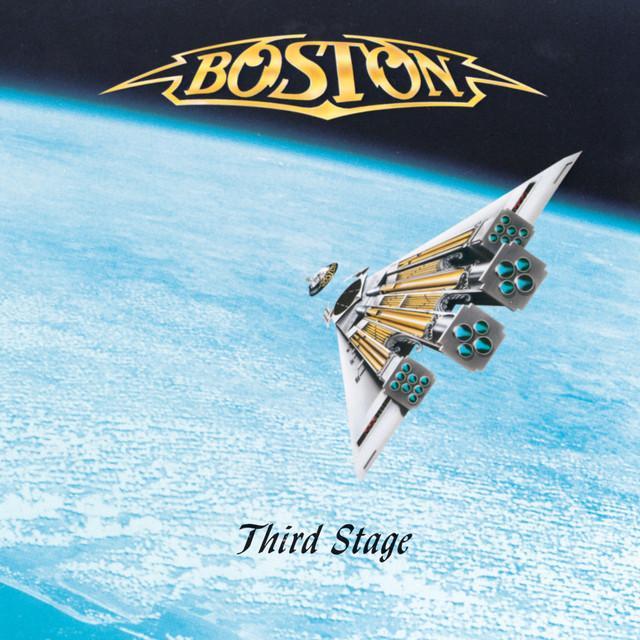
Released on Third Stage in 1986, the song was written by Tom Scholz, Brad Delp, and Fran Sheehan, and produced by Scholz. It reached No. 4 on Billboard’s Mainstream Rock chart, which shows how strongly it connected with rock radio in its era. Those release details are widely documented in standard references on the song and album history.
The Core Message Behind the Motion
At its center, the song describes a relationship or emotional situation that is becoming too intense, too quickly. The singer likes excitement, but they know there is a line between thrilling and destructive. That is why the repeated idea of Cool the engines
matters so much. It is not a rejection of passion. It is a plea for control.
The verses build that tension. Phrases like burnin' out
and Movin' way too fast
suggest a bond that feels powerful but unstable. The speaker wants the ride to continue, yet they understand that speed alone will not make it last. In simple terms, they are saying: if they keep pushing this hard, they may lose the very thing they want to keep.
Watch the official Cool The Engines
music video
Romance, Risk, and Self-Control
One of the strongest parts of the lyric is its balance. The singer does not ask for distance. They still want the other person close. They even welcome adventure and forward motion. When the song says Take me for a ride
, it shows openness to love, change, and intensity.
But that invitation comes with boundaries. The warning about getting too hot or too high suggests that emotional excess can wreck trust, stability, or commitment. Interpretation: this makes the song feel like a mature love song, one where desire is real but discipline matters just as much.
How the Chorus Turns Advice Into Meaning
The chorus is memorable because it reduces a complicated emotional problem into a mechanical command. The image of the Red line's gettin' near
turns feelings into dashboard danger. Anyone who has watched a machine strain past its limit can understand the metaphor.
That metaphor works on two levels:
- It gives the song a muscular rock identity.
- It makes the emotional warning easy to feel.
Instead of abstract talk about balance, Boston gives listeners an overheating engine, a gearbox, and a vehicle close to failure. That is why the message lands so clearly.
The Imagery: Cars, Rockets, and Heat
Boston does more than use one driving metaphor. The song mixes cars with rocket imagery, which makes the stakes feel even bigger. It is not just a fast ride; it is nearly liftoff. That blend fits the band’s style, which often combines grounded rock force with futuristic scale.
A short multi-line section captures that spiraling feeling:
Goin' over the line
Runnin' out of time
And it's gettin' wild
Here, the song sounds like a system in overload. The flashing lights and circular motion suggest alarm, confusion, and urgency. Interpretation: these images can describe a relationship on the edge, but they can also point to any situation where people ignore limits until consequences become unavoidable.
What Boston’s Sound Adds to the Story
The production matters a lot to the meaning of Cool the Engines. Scholz recorded and shaped the band’s sound with unusual precision. Reports about the song’s making note that he assembled drum tracks through detailed tape editing and used his Rockman gear to create Boston’s signature layered guitar tone. That technical polish helps explain why the track feels both tight and huge.
That matters because the music itself seems to live the lyric’s tension. The guitars surge, the rhythm drives hard, and Brad Delp’s vocal rides above it with urgency and control. The band sounds like a machine built for speed, which makes the warning feel more dramatic. The song is thrilling on purpose. It wants listeners to feel how tempting the rush can be.
A Wider Reading Beyond Love
Most listeners will hear the song as a relationship warning first. That reading makes sense and fits nearly every major image in the lyric. Still, some critics have suggested a broader meaning, including a caution against escalation in a dangerous world. Scholz himself described the song in liner-note terms as a kind of high-speed ride at the edge of disaster.
Interpretation: because the lyrics never lock into one specific story, the song can work as both personal and social commentary. It may be about two people. It may also be about a culture addicted to speed, pressure, and excess.
Why the Song Still Connects
Part of the meaning of Cool The Engines Boston is timeless because it speaks to a common problem: people often confuse intensity with progress. This song pushes back on that idea. It argues that endurance, patience, and restraint are what help something survive.
That final turn gives the song heart. By the end, the message is not fear. It is confidence that they do not have to rush to reach something real. Boston turns a hard-rock engine into a lesson about pacing.
Final Take
“Cool The Engines” is exciting because it sounds like speed, but it means the opposite. Boston uses heat, motion, and near-breakdown to say that love or ambition needs control if it is going to last.
Disclaimer: This article offers interpretation based on the lyrics, recording context, and documented commentary. Song meaning can remain open, and listeners may hear it differently.








