Why ‘This Little Piggy’ Still Works for Kids
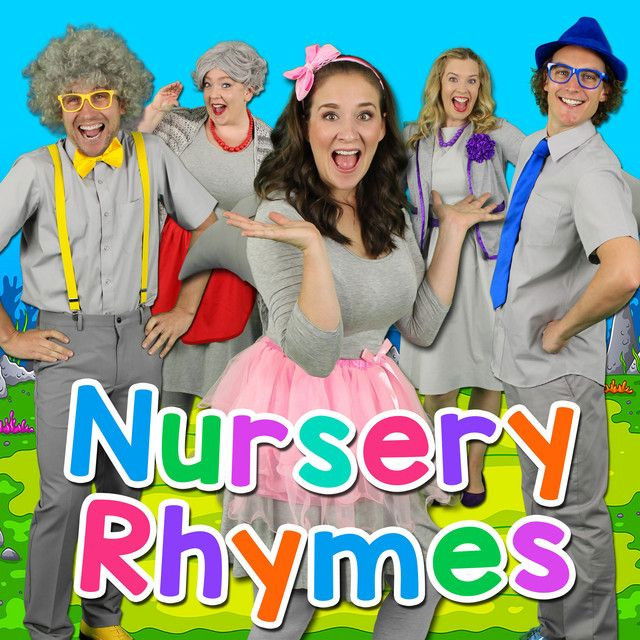
The meaning of This Little Piggy Went to Market Bounce Patrol starts with something simple: it is less a story with a lesson than a tiny game built out of rhythm, contrast, and surprise. Bounce Patrol’s version keeps that core idea intact. They present an old nursery rhyme as a cheerful, repeatable performance that helps children follow patterns and join in.
"This Little Piggy Went to Market" - Bounce Patrol
This little piggy stayed home
This little piggy had roast beef
Loading lyrics...
Unable to load lyrics
We're unable to display the lyrics at this time. Please try again later.
This rhyme is much older than Bounce Patrol. The first line appeared in 1728, and a full version was printed around 1760, according to standard reference histories of the rhyme. It is also widely known as a toe-play activity, where each line is matched to one toe before the final ticklish ending. Those facts matter because they explain why the song feels so physical and memorable.
A Tiny Story About Different Roles
At the lyric level, the song gives each piggy one clear role. One went to market
, one stayed home
, one enjoyed plenty, and one had none
. In just a few lines, the rhyme introduces difference.
That is the main idea. The piggies are not presented as one group doing the same thing. They are individuals with separate outcomes. For very young listeners, that is an easy way to learn that stories can be made from sequence and contrast.
Interpretation: this is why the rhyme has lasted so long. It teaches children to notice that each character can have a different part in the same small world.
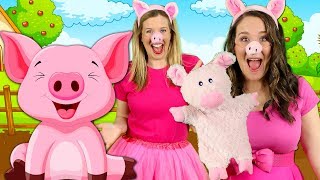
Watch the official This Little Piggy Went to Market
music video
The Final Piggy Gives the Song Its Spark
The most memorable line is the last one, when a piggy cries wee wee wee
and heads all the way home
. Before that moment, the song is almost like a list. After that moment, it becomes movement.
That shift matters. The earlier lines are calm and descriptive. The ending adds sound, emotion, and motion all at once. Children often respond most strongly to that part because it is easy to imitate and fun to anticipate.
Wee wee wee
all the way home
In Bounce Patrol’s hands, that hook becomes the center of the experience. The repetition turns the final piggy into the song’s comic payoff, and the return of the same phrase invites kids to sing along after only one pass.
What Bounce Patrol Adds to the Meaning
Bounce Patrol is known for colorful, family-friendly children’s videos and sing-along performances on its official platforms. In their version of this rhyme, the likely goal is not to reinvent the text but to refresh it for a digital audience of preschoolers and parents.
That changes how the nursery rhyme lands. On the page, the words can seem old and a little odd. In performance, they become warm and accessible. Bright visuals, upbeat delivery, and clean repetition frame the rhyme as playful rather than mysterious.
Factual context: the rhyme itself is traditional and old, but the Bounce Patrol performance belongs to a modern children’s media style built for attention, participation, and early learning.
Sound, Structure, and Why Kids Remember It
Musically, this song works because it is built on repetition. The melody is easy, the phrases are short, and the rhythm leaves room for gestures. That makes it ideal for preschool listening.
Three production features carry the meaning:
- Steady tempo: children can predict what comes next.
- Clear vocal phrasing: each piggy’s role sounds distinct.
- Repetition of the hook: memory forms quickly.
The repeated ending is especially important. It turns a five-line rhyme into a cycle. Instead of ending once, the song keeps circling back to the emotional and comic center. That is a classic children’s music strategy: repeat the part kids can perform on their own.
Older Context Makes the Lyrics More Interesting
Historically, went to market
may not have meant a fun shopping trip. In older English usage, it could suggest being taken to market for sale, which gives the line a darker edge in folk-history discussions of the rhyme. Still, most modern children’s versions, including Bounce Patrol’s, do not stress that reading.
For today’s audience, the stronger meaning comes from play. Writers on children’s song history have noted that the rhyme helps with counting, body awareness, and caregiver bonding through toe play. That practical function explains why the song survives generation after generation.
Interpretation: even if the rhyme has older folk echoes, Bounce Patrol’s version softens them into a safe, funny performance focused on routine and participation.
A Simple Lesson in Contrast
Another reason the song works is its gentle use of opposites. One piggy goes out; another remains in. One gets plenty; another gets nothing. Then the last one reacts.
That pattern is easy for children to grasp because it mirrors basic early concepts:
- here versus there
- having versus lacking
- calm versus noisy
- stillness versus motion
The rhyme does not explain these ideas directly. It lets children feel them through structure. That is part of the meaning of This Little Piggy Went to Market Bounce Patrol: simple contrasts become memorable because they are sung, repeated, and acted out.
Why This Nursery Rhyme Still Endures
Bounce Patrol’s version succeeds because they understand what the rhyme already does well. It creates a tiny cast of characters, gives each one a clear role, and ends with a burst of sound that children love to repeat.
For adults, the song may seem almost too simple. For young listeners, that simplicity is the point. The rhyme teaches sequence, difference, anticipation, and playful expression in under a minute.
In the end, the meaning of This Little Piggy Went to Market Bounce Patrol is not hidden or symbolic in a heavy way. It is a small performance about roles, rhythm, and connection. Its staying power comes from how easily children can hear it, act it out, and make it their own.
Disclaimer: This interpretation separates documented history of the traditional rhyme from reading Bounce Patrol’s specific performance style. Meanings in children’s songs can vary by listener, family context, and performance setting.








