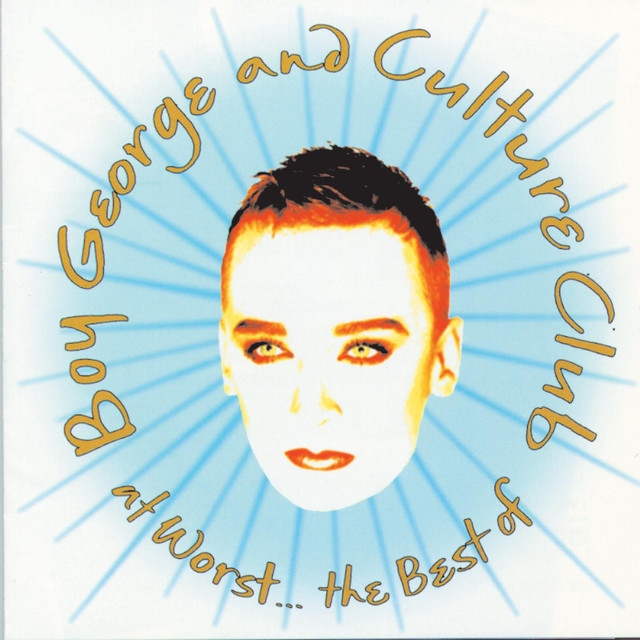
Everything I Own by Boy George
For many listeners, the meaning of Everything I Own Boy George starts with heartbreak. But the song lands harder than a standard breakup ballad. In Boy George’s 1987 cover, love sounds mixed with regret, gratitude, and the pain of realizing someone’s value after they are gone.
"Everything I Own" - Boy George
Kept me warm, kept me warm
You gave my life to me
Loading lyrics...
Unable to load lyrics
We're unable to display the lyrics at this time. Please try again later.
That emotional mix was already built into the song. David Gates wrote it, and it was first recorded by Bread on the 1972 album Baby I'm-a Want You. Gates later explained that he wrote it in memory of his father, even though the words were kept general enough to sound like a love song. Boy George then took that emotional core and gave it a new setting.
A Love Song That Is Also About Loss
At its center, the song is about belated appreciation. The speaker looks back on someone who gave protection, warmth, and freedom. Short phrases like kept me warm
and set me free
frame that person as a source of care, not just passion.
That matters because the song is not built around blame. Even when the lyric hints at confusion and hurt, the main feeling is thankfulness mixed with grief. The chorus raises the stakes with everything I own
, showing that material things mean nothing compared with one more chance to reconnect.
Interpretation: In Boy George’s performance, this feels less like dramatic pleading and more like stunned honesty. They sing it as someone finally understanding what was lost.

Watch the official Everything I Own
music video
The Hidden Backstory Changes the Song
The most important factual context is authorship. According to American Songwriter, Gates said the song was written for his late father. That does not erase romantic readings, but it changes how many lines feel.
Once that context is known, the opening sounds parental rather than romantic. Shelter, guidance, and life lessons fit a parent-child bond. Even the song’s biggest line is not only about desire. It becomes the cry of someone who would trade success itself for one more conversation.
This dual meaning is one reason the song has traveled so well across versions and decades. Listeners can bring their own loss to it: a parent, a partner, or anyone whose absence reshaped their life.
Why Boy George’s Cover Hit So Hard
Boy George released their version in 1987 as a single from Sold. It was their first major solo era after Culture Club, and that timing mattered. Publicly, they were stepping into a new chapter, so a song about vulnerability and emotional debt carried extra weight.
Their version follows the reggae direction made famous by Ken Boothe’s 1974 cover more than Bread’s soft-rock original. Factually, the single was produced by Stewart Levine and Boy George, recorded during the Sold sessions in Montserrat, and it became Boy George’s only UK solo No. 1.
That success was not only about nostalgia. The arrangement gave the song a fresh pulse while leaving the ache intact.
How the Sound Carries the Meaning
Bread’s original is soft and polished. Boy George’s version is gentler in tempo than a dance track, but it has a clear reggae sway. The offbeat rhythm creates movement, which is important because the lyric itself is stuck in the past.
That contrast gives the cover its special tension. The band sounds almost easygoing, yet the singer is carrying unresolved grief. Their voice adds the key emotional detail: it is tender, a little fragile, and never too polished. AllMusic’s William Ruhlmann called it a “bouncy, vulnerable voice,” and that balance is exactly why the cover works.
Instead of overpowering the song, the production leaves room for the words. The groove softens the sadness just enough to make it singable, while the vocal keeps the wound open.
A Simple Story With a Sharp Warning
The lyric unfolds in a clear arc:
- The speaker remembers being cared for.
- They admit the best years were tied to that person.
- They confess they would trade everything to get them back.
- Then the song widens into a warning: do not take love for granted.
That warning gives the song moral weight. It is not only private grief. It becomes advice.
won't let you gotaking it all for grantedlose them one day
Those lines shift the song from memory to lesson. The speaker is telling listeners that love often becomes fully visible only after loss.
Two Strong Readings of the Song
There are two main ways to hear Boy George’s recording.
Reading One: Family grief
This is the reading supported by the songwriter’s own explanation. The song becomes a tribute to a parent whose care shaped the speaker’s life. In that light, the longing is not romantic possession. It is grief for a foundational love that cannot be replaced.
Reading Two: Romantic regret
Interpretation: Boy George’s vocal style also supports a breakup reading. When they lean into lines about wanting someone back, the performance can feel like the aftermath of a failed relationship. The reggae rhythm even adds a kind of bittersweet cool, as if the singer is trying to stay composed while falling apart.
Both readings can be true at once. That openness is part of the song’s power.
Why the Song Still Connects
The meaning of Everything I Own Boy George lasts because it turns a huge feeling into plain language. There is no complicated plot. There is only memory, loss, and the painful knowledge that love was bigger than they knew at the time.
Boy George did not just cover an old hit. They found the song’s bruise and made it visible in a new genre. The result is warm, wounded, and deeply human.
Disclaimer: This interpretation separates documented facts from informed reading. Songs can hold different meanings for different listeners, and that ambiguity is part of their art.








