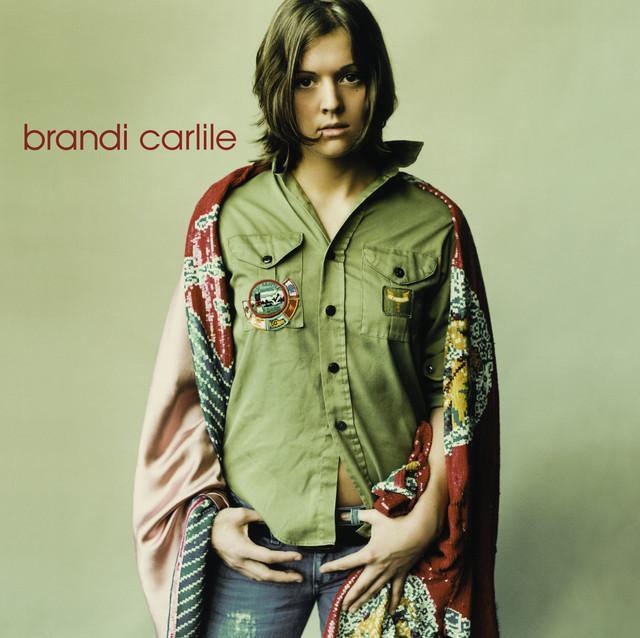
What Can I Say by Brandi Carlile
A heartbreak song with nowhere to hide
The meaning of What Can I Say Brandi Carlile centers on loss that feels both emotional and physical. The song is not just sad; it shows a person trapped inside sadness, watching time move too slowly and feeling powerless to fix what is broken.
"What Can I Say" - Brandi Carlile
The hands hardly moving at all
I can't stand the state that I'm in
Loading lyrics...
Unable to load lyrics
We're unable to display the lyrics at this time. Please try again later.
On the surface, the lyrics describe someone reeling after a departure. The repeated cry of what can I say?
suggests they have reached the point where language fails. They are not making a clever argument or trying to win someone back. They are simply out of answers.
That directness is part of what makes the song hit so hard. Brandi Carlile and the Hanseroth twins often write with plain speech and big feeling, and that style fits this song perfectly. It turns private grief into something many listeners recognize.

Watch the official What Can I Say
music video
Where the song fits in Brandi Carlile’s world
“What Can I Say” comes from Carlile’s early catalog, a period when her writing leaned heavily into roots-rock, folk, and country-soul feeling. She first broke through on the 2005 album Brandi Carlile, where this song helped define her as an artist who could make pain sound intimate rather than distant.
The song was written by Brandi Carlile with twins Tim and Phil Hanseroth, her longtime creative partners. That matters because their best work often balances raw confession with strong melodic structure. Even in her later work, Carlile has spoken about songwriting as a way to release buried emotion; in a Stereogum interview, she described accessing feelings through music when ordinary life made them harder to reach. While that interview discusses a later album, it helps explain the emotional honesty listeners hear here too.
The first verse turns grief into a room
The opening images are simple but vivid. A clock barely moves. The walls seem to close in. In plain terms, the singer feels stuck inside a painful moment that refuses to pass.
This is one of the song’s clearest themes: grief changes a person’s sense of time and space. The phrase hands hardly moving
makes time feel cruel, as if every minute drags. Then the room itself feels smaller, turning loneliness into something almost claustrophobic.
Interpretation: The song may be about a breakup, but it also works more broadly as a portrait of abandonment. The person left behind is not only missing someone; they are losing their grip on stability.
The chorus says surrender, not strategy
The chorus is the emotional center. When the singer admits so sad since you went away
and feels time, time, ticking on me
, the song stops pretending there is a plan. This is not a roadmap to healing. It is a snapshot of hurt while it is still happening.
That is why the title line matters so much. What can I say?
does not sound rhetorical here. It sounds defeated, almost prayer-like, especially with the repeated appeal to the Lord. The spiritual language does not necessarily make the song religious. Instead, it suggests the pain is so deep that the singer reaches for something beyond ordinary speech.
Oh, Lord, what can I say? I'm so sad since you went away
In those lines, the song reduces heartbreak to its barest truth: someone is gone, and the person left behind has no language big enough for the loss.
Bad habits and self-blame deepen the picture
In the second verse, the narrator tries to bury pain and numb it. When they describe drowning sorrow and feeling that something is missing inside, the song moves from grief into unhealthy coping.
That shift is important. Sadness is no longer passive. It is starting to shape behavior. The singer wants escape, but every attempt seems to fail.
The third verse adds guilt. Questions about how many rules to break and how many lies to make imply a person who may be acting out, making mistakes, or trying to outrun shame. The image of finding a place where the bridge hasn't burned
suggests damaged relationships and a fear that too much has already been ruined.
Interpretation: The loss at the center of the song may not be entirely one-sided. The lyrics leave room for the idea that the speaker has also played a part in the collapse and now has to sit with both grief and regret.
Why the song sounds as lonely as it feels
The production supports the meaning at every turn. The arrangement is restrained, with a rootsy singer-songwriter frame that leaves space around the vocal. Instead of covering pain with busy instrumentation, the track lets emptiness remain audible.
Carlile’s vocal is key. She sings with strain and warmth at the same time, which gives the words a worn-in truth. Rather than sounding theatrical, she sounds cornered. That makes the repeated hook feel less like a polished chorus and more like a real person circling the same thought because they cannot move past it.
The steady tempo also matters. It mirrors the lyrical focus on time, but not in a dramatic way. The beat keeps going while the singer feels emotionally frozen. That contrast makes the song ache.
The deeper meaning of What Can I Say Brandi Carlile
At its core, the meaning of What Can I Say Brandi Carlile is about the helpless stage of grief: the point where a person cannot explain, fix, or outrun their pain. The lyrics move through loneliness, self-medication, regret, and spiritual exhaustion, but they always return to the same truth: loss has left the singer speechless.
What makes the song endure is its lack of false comfort. It does not promise quick healing. It simply tells the truth about how empty life can feel after someone leaves.
That honesty is very Brandi Carlile. Even early in her career, she knew how to make private sorrow sound communal. Listeners hear this song and think of breakups, estrangement, death, addiction, or any moment when words stop working.
Disclaimer: This interpretation is based on the released lyrics, the song’s performance, and available artist context. As with most songs, listeners may reasonably hear different meanings in it.








