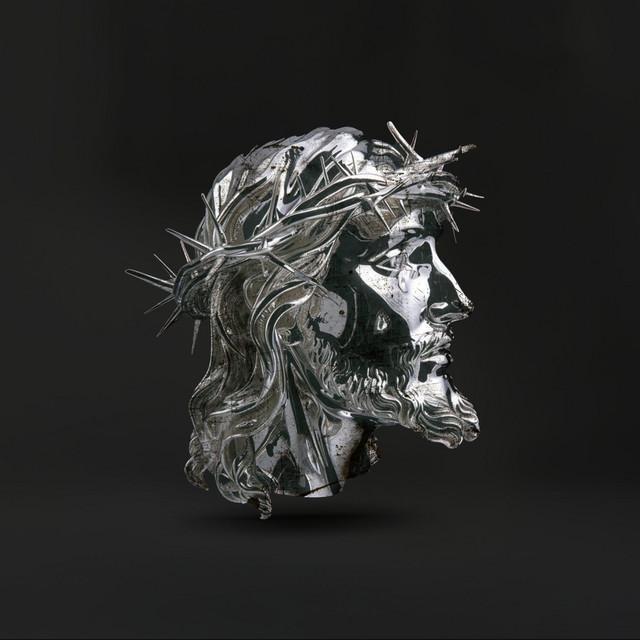
Why Brandon Lake's Praise Song Hits Hard
The meaning of That's Who I Praise Brandon Lake comes down to one clear idea: faith is not just a private belief, but a response. The song turns worship into an act of courage. Instead of focusing on doubt, pain, or even personal victory, it keeps returning to who God is.
"That's Who I Praise" - Brandon Lake
I wanna sing like Silas, tearing down the prison walls
I wanna face that fire, it won't burn me though
Loading lyrics...
Unable to load lyrics
We're unable to display the lyrics at this time. Please try again later.
That is why the track feels so immediate. It names fear, pressure, and impossible situations, but it does not stay there. It answers them with praise.
A Song Built on Bible Memory and Present Need
At its core, the song links present-day struggle with famous stories from Scripture. The singer wants courage like David, endurance like Paul and Silas, and trust like Daniel or Moses. By stacking these references, the lyric says that the same God who helped them is still worthy now.
That structure matters. These are not random name-drops. Each image stands for a kind of pressure: prison, fire, lions, the sea, walls, sacrifice. When the lyric reaches phrases like breaker of chains
and impossible things
, it is summarizing all those stories into one claim about God’s power.
Interpretation: the song is less about becoming a Bible hero and more about learning where to place confidence. The repeated examples show that faith is borrowed from memory before it becomes personal experience.
The Verses Move From Admiration to Action
The opening lines are full of longing. The repeated I wanna
language gives the song a humble tone at first. The singer does not claim perfect faith. They want it. They reach toward it.
That makes the song relatable. It speaks to listeners who admire bold faith but do not always feel bold themselves. The line about fear talking, while faith still standing, captures that tension without overcomplicating it.
Then the song shifts. After naming examples from the Bible, it lands on a decision: I'm gonna praise
. That change in wording is one of the song’s biggest moves. Longing becomes commitment.
Why the biblical figures matter
Each figure represents a different form of faith:
- David suggests expressive, fearless worship.
- Paul and Silas point to praise in suffering.
- Shadrach, Meshach, and Abednego symbolize trust under threat.
- Moses represents deliverance and forward movement.
- Mary suggests costly devotion.
- Daniel shows peace in danger.
Because the song moves quickly through these stories, it creates a wide map of what faith can look like. Worship is not limited to one mood. It can mean dancing, enduring, giving, waiting, or walking into the unknown.
The Chorus Explains Who Gets the Credit
The chorus is the song’s center of gravity. It does not praise courage for its own sake. It praises the one who gives reason for courage. Phrases like highest of names
and Heaven seated
point upward, away from the self.
This is what makes the hook effective. It is easy to sing, but it also redirects attention. The title phrase, That's who I praise
, is simple enough to sound like a testimony and broad enough to hold many meanings at once: gratitude, loyalty, awe, and dependence.
He is the Lion of Judah
He is the Lamb that was slain
The only One who's worthy
That short bridge expands the message. It balances strength and sacrifice, victory and mercy. In Christian theology, those images point to Jesus as both powerful ruler and suffering savior. So the song’s praise is not generic optimism. It is rooted in a specific picture of who Christ is.
How the Music Carries the Message
Brandon Lake is known for large-format worship songs that start personal and build toward a room-filling release, a style heard across his live and studio work on his official site and artist pages like Apple Music. This song follows that pattern.
The production likely aims for lift more than complexity: steady drums, layered vocals, a rising dynamic curve, and a chorus designed for group singing. Even on the page, the repeated refrain signals that the arrangement is built for emphasis. Every return to the hook sounds like reinforcement.
Interpretation: that repetition mirrors the act of praise itself. In worship music, repeating a truth is not filler; it is formation. The song wants listeners to say the same thing until they mean it more deeply.
A Message About Identity Through Worship
One of the strongest lines comes near the end, when the focus shifts toward living with grace and urgency. That ending broadens the song. Praise is not just what happens in a sanctuary or during a crisis. It becomes a way to live.
This makes the meaning of That's Who I Praise Brandon Lake more than a list of biblical references. The song argues that worship shapes identity. People become steadier when praise fixes their attention on what is greater than fear.
That is also why the song may connect so well with church audiences in the United States. Its language is plain, its references are familiar, and its emotional arc is easy to follow: remember, decide, declare.
Final Take on the Song's Meaning
In the end, the song is about choosing worship as a response to fear, pressure, and limitation. It remembers old stories not to escape the present, but to frame the present with hope.
Brandon Lake’s song works because it keeps the message direct: God is worthy, God is powerful, and praise is the answer. Interpretation: listeners may hear it as a personal pep talk, a congregational anthem, or both.
Disclaimer: This interpretation is based on the released lyrics, the song’s worship context, and Brandon Lake’s broader artistic style. Meaning can vary from listener to listener.







