Why 'Right on Track' Still Feels Off-Balance
The meaning of Right on Track Breakfast Club comes from a smart tension: the music sounds sleek, danceable, and confident, but the lyrics tell a less secure story. On the surface, the singer seems to be trying to impress someone on a dance floor. Underneath that, they sound anxious, confused, and a little desperate.
"Right on Track" - Breakfast Club
Watch this turn one's gonna put you away
But I'm doing my very best dancing
Loading lyrics...
Unable to load lyrics
We're unable to display the lyrics at this time. Please try again later.
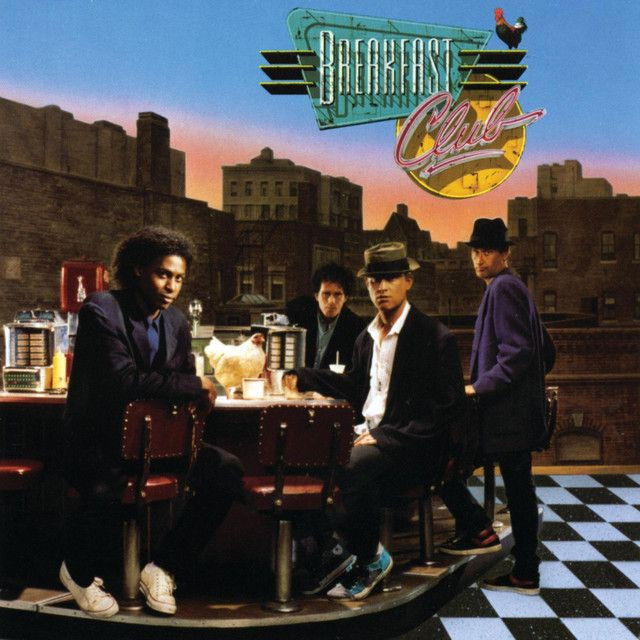
Released in January 1987, the song became Breakfast Club’s biggest hit, reaching No. 7 on the Billboard Hot 100 and No. 7 on Dance Club Songs. It was written by Dan Gilroy and Stephen Bray, produced by Jimmy Iovine, and appeared on the band’s only album, Breakfast Club. Those facts help explain why the track feels so polished while still carrying a quirky, slightly off-center personality.
A Love Song Disguised as a Dance Number
At its core, this song is about trying to reconnect with someone who keeps drifting away. The narrator thinks movement, style, and timing might fix the problem. They imagine that one more clever move, one more try, or one more moment of eye contact could turn things around.
That is why phrases like looking the other way
matter so much. The problem is not just that the other person is hard to reach. It is that they seem actively disengaged. The singer keeps performing, but the audience of one is not watching.
Interpretation: The dance setting works as both a real scene and a metaphor. They may be in a club, but they are also talking about a relationship that has lost its rhythm.
Watch the official Right on Track
music video
The Hook Turns Confidence Into Doubt
The chorus sounds triumphant at first because the title phrase feels neat and upbeat. But when the singer asks whether being right on track
will actually bring the person back, the whole song changes shape.
That question is the emotional center of the track. The narrator is no longer just showing off. They are wondering if self-improvement, better timing, or corrected behavior can repair a broken bond.
This is what gives the song its lasting edge. Instead of promising a happy ending, it admits that getting back in line does not guarantee love returns.
Movement, Distance, and Missed Signals
The lyrics build meaning through motion. The singer talks about shifting direction, adjusting position, and trying to close the gap. Those details make the song feel physical, but they also point to emotional uncertainty.
When they describe being off track
, it suggests more than bad dancing. It sounds like they believe they caused the disconnect. A later mention of a bad connection
adds another layer. The issue may be chemistry, timing, or plain miscommunication.
How far away can you go
And still be dancing with me
This brief moment says a lot. Even while standing in the same song, the two people no longer seem to share the same emotional space.
Who Is Speaking, and What Do They Want?
The narrator comes across as restless and determined. They want attention, but even more than that, they want reassurance. They keep trying new strategies, almost like they believe the right performance can solve rejection.
There is a revealing mix of ego and vulnerability here. One second, they sound playful and ready to impress. The next, they admit they would gladly take the person back. That shift makes the song feel human. It is not really about swagger. It is about wanting to matter to someone who may already be leaving.
Songfacts notes that the lyrics can make the narrator seem almost delusional in their persistence, and that reading fits. They keep acting as if one more move will do it, even though the song keeps showing the opposite.
Why the Production Matters So Much
The sound is a big part of the song’s meaning. Produced by Jimmy Iovine, the track has the bright, sharp energy of mid-1980s pop-funk and dance-rock. The beat stays active, the groove feels clean, and the arrangement pushes forward even when the lyrics suggest emotional stalling.
That contrast is key. The production says motion; the words say blockage. The result is a song that feels catchy but unsettled.
Backing vocals from Jocelyn Brown add even more lift and punch. Her presence helps sell the song as a dance-floor record, which makes the insecurity in the lead vocal stand out more strongly. Breakfast Club also had roots in New York’s late-1970s and early-1980s scene, with Stephen Bray later known for major pop work beyond the band. That context helps explain why the single sounds both streetwise and radio-ready.
The Band Context Changes the Listening Experience
Breakfast Club is often remembered partly because Madonna was an early member before the group’s breakthrough, but the song works on its own terms. According to Songfacts, MCA promoted the album heavily, and the video leaned into oddball humor. That mix of ambition and eccentricity matches the track itself.
It is polished enough to be a hit, yet strange enough to feel distinct. That may be why it still stands out as more than a simple 1980s one-hit wonder.
The Best Reading of the Song
The strongest reading is that “Right on Track” is about failed recovery. The narrator believes there must be a route back to connection, but the song keeps asking whether technique can fix absence.
In simple terms, they can improve their steps, but they cannot force the other person to rejoin the dance.
That is the real meaning of Right on Track Breakfast Club: a catchy song about the painful gap between doing everything “right” and still not getting someone back.
Interpretation note: Song meaning is never fully fixed. This reading is based on the lyrics, the production, and documented context around the track’s release and reception.







