
Firefly by Breaking Benjamin
Why This Song Still Stings
The meaning of Firefly Breaking Benjamin comes down to a painful kind of recognition. The song follows a speaker who is pulled toward someone bright, dangerous, and strangely familiar. At first, that figure seems guiding or magnetic. By the end, they feel like a trap.
"Firefly" - Breaking Benjamin
You're a lot like them
But I cut your line
Loading lyrics...
Unable to load lyrics
We're unable to display the lyrics at this time. Please try again later.
That emotional turn is what gives the track its bite. Rather than telling a simple love story, Breaking Benjamin build a song about seeing their own flaws reflected back at them. The result is part confession, part accusation, and part collapse.
Watch the official Firefly
music video
The Core Meaning Hides in Recognition
At its center, the song is about attraction to what hurts because it feels familiar. Early on, the narrator admits the other person is a lot like them
. That matters because the conflict is not only with another person. It is also with the self.
Interpretation: The song suggests that the speaker keeps choosing the same toxic pattern. They know the relationship, obsession, or emotional habit is bad, yet they still move toward it. When they say they are born to lose
, it sounds like more than sadness. It sounds like identity.
This is why the chorus lands so hard. The firefly is not just a pretty image. It is a flicker of hope, temptation, or guidance in the dark. But the more the speaker studies that light, the more they realize its ways are just like mine
. That discovery changes everything.
The Chorus Turns Wonder Into Self-Disgust
The chorus begins with a plea: shine your light
. On the surface, that sounds like a request for clarity or comfort. The speaker wants direction. They want something outside themselves to lead the way.
But the chorus quickly twists. Once they understand the firefly, they do not feel saved. They feel implicated. The line about being justified while they fall in line
suggests surrender dressed up as choice.
Interpretation: This is one of the song’s smartest moves. It shows how people can rename unhealthy surrender as fate, truth, or even righteousness. The speaker acts as if the bond makes sense because both people are alike, but that similarity may be exactly what destroys them.
A Relationship, an Addiction, or a Mirror?
There are at least two strong ways to read the song, and both fit the lyrics.
Reading One: A Toxic Relationship
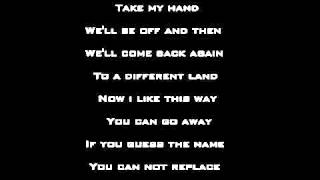
In the most direct reading, the song is about a push-pull bond with someone irresistible and harmful. The speaker reaches out, offers connection, and even imagines escape with take my hand
. Still, the language never feels safe or settled. It feels unstable, as if every promise already contains a warning.
The later burst of anger supports this reading. The speaker goes from asking for light to attacking the firefly for losing it. That sounds like disillusionment after idealizing someone who could never really save them.
Reading Two: Self-Conflict in Disguise
A deeper reading is that the "you" in the song partly stands for the speaker’s own darker impulses. The repeated comparison between the other person’s ways and their own points in that direction.
In this version, the song becomes an argument with the self. The firefly is the tempting part of their personality: bright, reckless, seductive, and destructive. The final outburst is not just blame. It is self-loathing.
How the Verses Build the Spiral
The verses move like a cycle rather than a straight story. First comes distance and aggression. Then comes surrender. Then comes a strange attempt to escape into a different land
, which feels less like a real place than a fantasy of reinvention.
A key moment arrives in the bridge, where the speaker asks for enemies to be laid before them and then tells the other figure to walk away. That image blends power and abandonment. They want control, but they also expect desertion.
Bring me your enemies
Lay them before me
And walk away
That short passage sharpens the song’s tension. Even in a fantasy of victory, the speaker is left alone. They can conquer, but they cannot connect.
Why the Sound Fits the Message
Breaking Benjamin emerged from the early 2000s hard rock and post-grunge wave, with Benjamin Burnley fronting the band and helping define its dark, melodic sound. Songwriting credits for "Firefly" are commonly listed to Benjamin Burnley, Jeremy Hummel, Aaron Fink, and Mark Klepaski.
The track’s sound supports its meaning. The guitars are thick and driving, while the melody stays catchy enough to feel hypnotic. That contrast matters. The hook pulls listeners in the same way the firefly pulls in the narrator.
Burnley’s vocal performance also sells the conflict. He moves between control and strain, which mirrors the lyrics’ swing from fascination to disgust. The louder moments do not just sound angry; they sound cornered.
Interpretation: Musically, the song behaves like a relapse. It surges forward, catches a brief sense of purpose, then crashes back into tension.
The Ending Is the Real Reveal
The final section is the song’s harshest emotional turn. The firefly loses its magic. What once looked like light now looks fake, fading, or corrupted.
That reversal matters because it exposes the central wound: the speaker hates what they once admired because it reflects them too clearly. The line about choking and smiling leaves the song in a deeply uneasy place. It suggests forced composure, emotional suffocation, and defeat hiding behind performance.
What "Firefly" Ultimately Means
The meaning of Firefly Breaking Benjamin is less about one clear plot than one repeating emotional truth: people can be drawn to what mirrors their damage. The song captures the moment when attraction turns into recognition, and recognition turns into blame.
That is why the song still connects. It understands that some of the hardest battles are not against strangers. They are against the parts of the self that look beautiful in the dark.
Disclaimer: This interpretation is based on the song’s lyrics, sound, and public songwriting credits. Like many rock songs, "Firefly" remains open to multiple readings.








