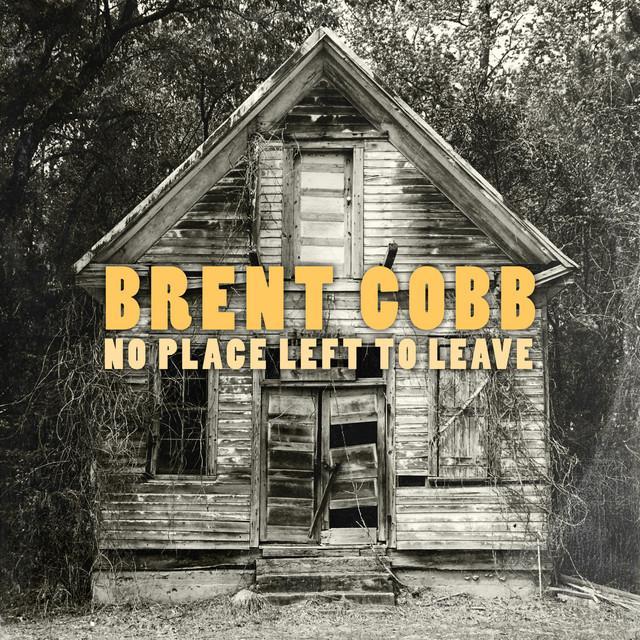
Black Creek by Brent Cobb
Why This Song Feels Like a Prayer in the Woods
The meaning of Black Creek Brent Cobb centers on a worn-out speaker asking for relief. They sound trapped between temptation, shame, and the wish to start over. The song uses Southern images, country-soul warmth, and a river-like refrain to turn that struggle into something spiritual without sounding preachy.
"Black Creek" - Brent Cobb
Lord I think that the devil might be after me
I don't want to waste my integrity
Loading lyrics...
Unable to load lyrics
We're unable to display the lyrics at this time. Please try again later.
At its core, this is a song about wanting to be cleaned up from the inside out. The title place, Black Creek, feels less like a simple location and more like a refuge. When the chorus asks to wash my sins away
, the song makes its main idea plain: the speaker wants mercy, peace, and maybe a second chance.
A Narrator Caught Between Trouble and Renewal
The opening sets the tone quickly. The speaker asks for help escaping a deserted sea
, which sounds like emotional emptiness. They also fear dark forces closing in, framing the song as a battle for the soul, not just a bad night.
That tension keeps building. They admit weakness and talk about not wanting to lose their moral center. In plain terms, they know they have been living badly, and they are tired of pretending otherwise. The line about being just a man
matters because it strips away pride. They are flawed, ordinary, and desperate.
Interpretation: The song is not only about religion. It is also about burnout, addiction, regret, or the kind of life drift that makes someone suddenly realize they do not like who they are becoming.
How the Chorus Turns Black Creek into a Symbol
The chorus is simple, but that is why it works. Black Creek becomes the place where guilt might finally loosen its grip. Whether it is a real creek in Georgia memory or a symbolic body of water, it acts like a baptism image.
Oh Black Creek, take me to that place
Wash my sins away
Those lines do not explain every detail, but they do not need to. They summarize the whole emotional mission of the song. The speaker wants to be carried somewhere beyond their current habits and fears.
Temptation, Eden, and the Cost of Small Choices
The second verse deepens the song with Biblical imagery. The mention of a forbidden tree
points back to Eden, where desire and disobedience first become linked. Cobb uses that image to show how temptation can begin with "just a little taste" and grow into something heavier.
This is one of the smartest parts of the writing. The speaker does not describe evil as huge or dramatic. Instead, they present it as something that starts small, almost manageable, before it becomes too much to carry. That makes the song feel honest. Many listeners know that big regrets often begin with small permissions.
Interpretation: The "wicked garden" may stand for nightlife, substance use, unhealthy love, or any environment that looks fruitful while slowly harming the person inside it.
Music as Escape, Comfort, and Last Breath
One of the most revealing turns comes when the speaker calls for the Guitar man
to play. That moment shifts the song from confession to release. Music becomes a temporary shelter, a place where pain can be held without being fixed.
They say they are lost and do not want to be found, which adds an edge of self-destruction. Yet even then, the details are deeply Southern and earthy: tea, sassafras root, higher ground. These are not random items. They suggest home, folk medicine, memory, and a desire to breathe cleaner air.
The phrase higher ground
matters too. It can suggest heaven, sobriety, safety, or simply a better state of mind. Cobb leaves it open, which helps the song stay personal for different listeners.
How Brent Cobb’s Style Shapes the Meaning
Brent Cobb is known for writing songs rooted in Georgia life and country tradition, including material on his debut album 5AM. That background matters here. “Black Creek” does not sound polished into pop confession. It feels lived-in, dusty, and local.
The production supports that meaning. The groove moves easy, with a swampy, relaxed feel that lets the words breathe. Guitars and rhythm create a rolling motion, almost like water or travel, while Cobb’s vocal delivery stays rough-edged and human. He does not sing like someone who has solved the problem. He sings like someone still inside it.
That is key to the song’s power. The arrangement offers comfort, but the lyric keeps the ache alive. In that way, the music and message work together: calm surface, troubled heart.
For artist background, Cobb’s official bio places him firmly in a Southern storytelling tradition. “Black Creek” fits that identity well, blending place, faith language, humor, and weariness.
The Strongest Reading of the Song
The clearest reading is that “Black Creek” is about repentance. The speaker has gone too far into some mix of sin, excess, and exhaustion, and they want cleansing. The creek stands for a place where they can surrender what they cannot manage alone.
A second reading is more psychological. In this view, Black Creek is a mental escape hatch: a dream of peace for someone near collapse. The devil language, the wandering imagery, and the wish to disappear all support that angle.
Both readings can be true at once. That layered meaning is one reason the song lasts. It is grounded in Southern detail, but its struggle is universal.
What Black Creek Finally Leaves Behind
In the end, the meaning of Black Creek Brent Cobb lies in its mix of confession and comfort. It is a song about knowing they are in trouble, naming that trouble, and reaching for cleansing before it is too late.
That makes “Black Creek” more than a mood piece. It is a river song, a guilt song, and a redemption song all at once.
Disclaimer: This interpretation is based on the song’s lyrics, sound, and publicly available artist context. As with any art, listeners may hear different meanings.








