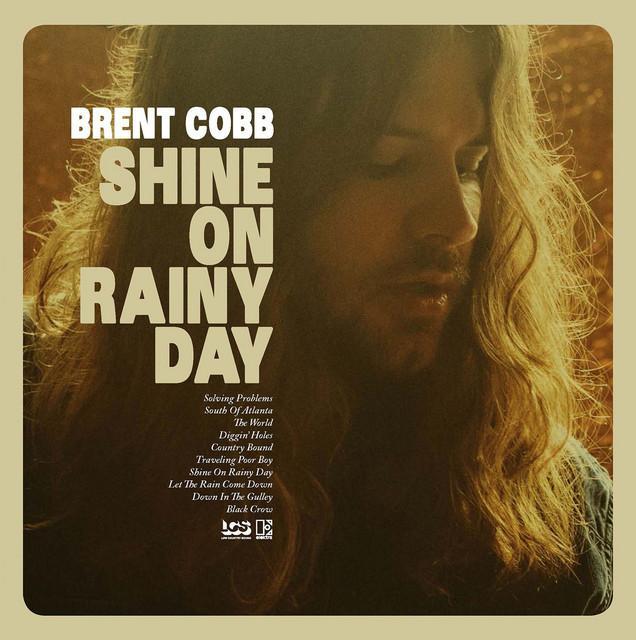
Why “Shine On Rainy Day” Hits So Deep
Brent Cobb’s “Shine On Rainy Day” sounds easygoing at first. The melody drifts, the band stays relaxed, and the chorus feels simple enough to sing back on one listen. But the meaning of Shine On Rainy Day Brent Cobb goes deeper than a casual country comfort song.
"Shine On Rainy Day" - Brent Cobb
Dodged deals and dangers
Searchin' for my own little piece
Loading lyrics...
Unable to load lyrics
We're unable to display the lyrics at this time. Please try again later.
At its core, the track is about learning how to keep going when life turns heavy. It treats pain as a teacher, not just a wound. The song says hard times can strip away illusion, force honesty, and even push a person toward gratitude, prayer, and love.
The Heart of the Song Is Resilient Hope
The narrator looks back on a restless life. They have loved the wrong people, taken risks, wandered from the country to the city, and felt both success and disappointment. That history matters because it gives the chorus its weight: this is not advice from someone sheltered from trouble.
Instead, the song builds toward a small but powerful command: keep shining anyway. When Cobb sings about a rainy day
, he is not talking only about weather. He is using rain, thunder, and gray skies as signs of emotional struggle.
Interpretation: the title phrase works like a gentle survival slogan. It does not promise that storms end fast. It says a person can still carry light through them.

Watch the official Shine On Rainy Day
music video
A Love Song Hidden Inside a Life Song
One of the smartest parts of the lyric is how it ties hardship to devotion. Early on, the narrator admits they are still crazy about someone, and that person’s love helps when life feels like crazy glue
. That image is plainspoken and memorable. Life is sticky. It traps people. Love does not erase the mess, but it helps them move through it.
This turns the song into more than a general reflection on struggle. It is also about emotional anchoring. After travel, danger, homesickness, and disillusionment, one steady bond remains.
That is why the song never sounds purely defeated. Even when it names loneliness and loss, it keeps one hand on connection.
The Chorus Turns Weather Into Wisdom
The chorus is the song’s center of meaning. It asks what happens when trouble finally arrives and a person has to decide whether to keep swimming or give up. Cobb frames that moment with natural images: a little thunder, skies turning gray, nothing left to say.
learn to pray
when theblue skies turn gray
and there’s almost no language left
butshine on rainy day
The point is not that suffering is good. It is that suffering reveals what matters. The song suggests people often coast through bright seasons without much reflection. Then pain comes, and suddenly they ask larger questions.
That idea gives the chorus its spiritual edge. Prayer here is not polished religion. It feels more like instinct, humility, and a cry for steadiness.
The Barroom Verse Adds a Classic Country Idea
The second verse gives the song an important twist. A friend teases the narrator for sounding lonely and asks if they know any happy songs. The answer is basically no joy means much unless a person has known sorrow.
That moment places the song in a long country tradition: sadness is not an embarrassment but part of emotional truth. Billboard noted that Cobb described the idea in plain terms, saying laughter means more once someone has known crying, in its feature on the album and his career path (Billboard interview).
Interpretation: this exchange defends melancholy songwriting. Cobb is not glorifying misery. They are arguing that real feeling includes both hurt and relief, and one gives meaning to the other.
How Brent Cobb’s Background Shapes the Meaning
Context matters here. “Shine On Rainy Day” is the title track from Cobb’s 2016 album Shine on Rainy Day, released through Low Country Sound/Elektra and produced by Dave Cobb, his cousin. Before this period, Brent Cobb had spent years writing songs for major country artists while slowly building his own recording career. That backstory fits the lyric’s mix of weariness and persistence.
In a PopMatters review, the song was described as sparse and melancholy, with “defeated optimism.” That phrase is useful because it captures the balance perfectly. The narrator sounds tired, but not empty. Bruised, but not broken.
The Production Keeps the Message Human
The arrangement is a big reason the song lands. There is no oversized chorus explosion and no glossy push toward easy uplift. The instrumentation stays light, with relaxed drums, gentle guitar, and space around the vocal.
That restraint matters. A louder production might have turned the song into a generic anthem. Instead, Dave Cobb’s minimal approach leaves room for the words and for Brent Cobb’s weathered voice. American Songwriter praised that stripped-back style, noting how the laid-back instrumentation supports his everyman point of view.
The result is intimate. The listener does not feel preached at. They feel sat beside.
A Few Strong Symbols Hold It Together
The song uses simple symbols, but they are effective:
- Rainy day: emotional hardship
- Thunder: the shock that forces reflection
- Gray skies: lost certainty
- Prayer: humility at the edge of control
- Home and hometown: the pull of roots after wandering
These are familiar country images, yet Cobb keeps them from feeling stale by writing with conversational detail. Phrases like high and low down
and the sticky image of life’s troubles feel lived in, not decorative.
Final Reading of the Song
The meaning of Shine On Rainy Day Brent Cobb is ultimately about endurance with tenderness. It says pain can deepen love, sharpen self-knowledge, and make hope more honest. The song does not offer flashy redemption. It offers steadiness.
That is why it lasts. It understands that many people do not need a speech when life gets dark. They need a voice that admits the storm and still says: keep your light.
Disclaimer: This interpretation blends lyric analysis with publicly available artist and review context. As with any song, listeners may hear meanings that differ from this reading.







