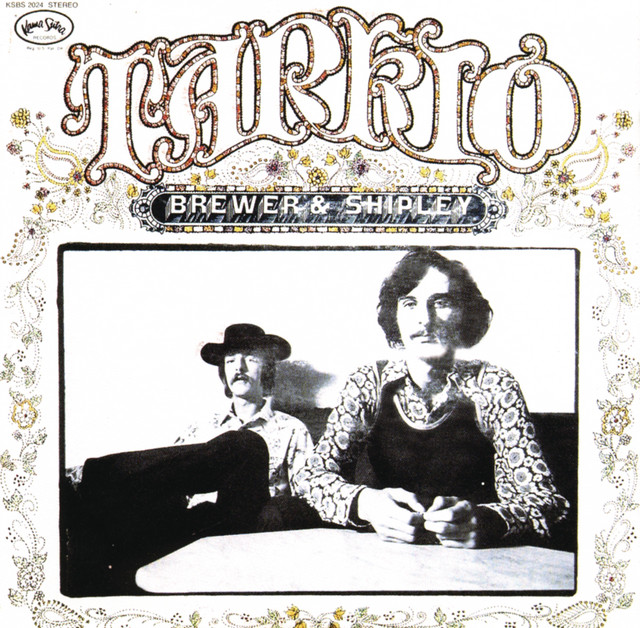
Why 'One Toke Over the Line' Still Lands
The meaning of One Toke Over the Line Brewer & Shipley starts with a phrase that sounds casual but carries real tension. On the surface, the song describes a person at a station, slightly dazed, waiting for a train home. Under that simple scene, Brewer & Shipley turn a counterculture joke into a portrait of being young, altered, and not fully in control.
"One Toke Over the Line" - Brewer & Shipley
One toke over the line
Sittin' downtown in a railway station
Loading lyrics...
Unable to load lyrics
We're unable to display the lyrics at this time. Please try again later.
Released in 1970 and written by Michael Brewer and Tom Shipley, the song became the duo’s best-known hit during the folk-rock era. It reached the Top 10 in the United States, a surprising crossover for a song so openly tied to drug slang. That mix of laid-back sound and risky subject is a big reason it still stands out.
A Stoned Joke With a Human Core
At its most direct, the song is about someone who has had a bit too much marijuana and knows it. The title phrase, one toke over the line
, suggests crossing a limit. They are not in total collapse, but they are past the point of comfort.
That is why the setting matters. The narrator is sittin' downtown in a railway station
, stuck in a public place while trying to hold themself together. They are waiting, watching, and hoping to get back to where they belong.
Interpretation: The song works because it is not just about getting high. It is about the uneasy moment after a choice has been made, when someone realizes they may have pushed things a little too far.
Watch the official One Toke Over the Line
music video
The Train Home Is More Than Travel
The repeated image of waiting for a train gives the song its emotional shape. The line about the train that goes home
sounds literal, but it also hints at recovery, comfort, and a return to normal life. Home is the place where the confusion might end.
The mentions of sweet Jesus
and sweet Mary
add another layer. In plain reading, they sound like everyday exclamations, not formal religious statements. Their use beside a drug reference creates a sly contrast between sacred language and ordinary human mess.
Interpretation: Those names may underline the narrator’s need for rescue. Even in a comic song, they reach for something steady while feeling slightly unmoored.
A Small Story of Change and Consequence
The verses expand the song beyond one moment at the station. The narrator says they have been changing and have learned both joy and pain. They have been away, had experiences, met people, and come back different.
That matters because the chorus is not floating by itself. It follows verses about growth, risk, and surprise. When the hook returns, it sounds less like a random punchline and more like the summary of a whole phase of life: they experimented, wandered, and ended up just beyond their own comfort line.
A simple timeline helps:
- They have left home and gained experience.
- They return changed, with mixed feelings.
- They are now delayed in a station, between one place and another.
- The refrain frames that in-between state as being slightly over the limit.
Why the Sound Softens the Message
Musically, Brewer & Shipley package the song in warm folk-pop textures. The arrangement leans on acoustic guitar, close harmonies, and an easy groove rather than anything dark or chaotic. That choice is crucial to the song’s meaning.
If the music were jagged, the lyrics might feel like a warning. Instead, the relaxed performance makes the song feel social, funny, and lightly self-mocking. They sound like observers of their own predicament, not victims of it.
This balance helped the track connect with mainstream listeners. It could be heard as a novelty tune, a counterculture wink, or a gentle story-song. The polish made the edge easier to swallow.
Why the Song Confused Some People
Part of the song’s history is the gap between how it sounded and what it said. Its smooth harmonies and references to Jesus led some listeners to misread it as wholesome or even devotional. That misunderstanding became famous when it appeared in surprisingly straight-laced settings, even though the drug slang was plain to many younger listeners.
That tension tells them something important about the era. Early 1970s pop culture often smuggled big social changes into friendly formats. Brewer & Shipley did not preach. They let a catchy chorus carry a sly cultural signal.
Two Strong Ways to Read It
The literal reading
The most obvious reading is that the narrator is mildly too high and waiting for a train. In this view, the song is a witty scene sketch built around a memorable line.
The broader reading
Interpretation: The song can also be heard as a coming-of-age snapshot. The narrator has traveled, changed, tested limits, and now sits in a space between old self and new self. Being over the line
is not only chemical. It is emotional and social too.
The Lasting Meaning
The meaning of One Toke Over the Line Brewer & Shipley lasts because the song captures a feeling many people know, even outside drug culture: realizing they have gone a step too far and wanting safe passage back. Its railway setting, easy harmonies, and humorous hook make that moment feel vivid without turning heavy.
In the end, Brewer & Shipley make confusion sound approachable. They turn a half-joking phrase into a song about limits, movement, and the wish to get home.
Disclaimer: This article offers informed interpretation based on the song’s lyrics, context, and reception. Meaning can remain open, and listeners may hear it differently.








