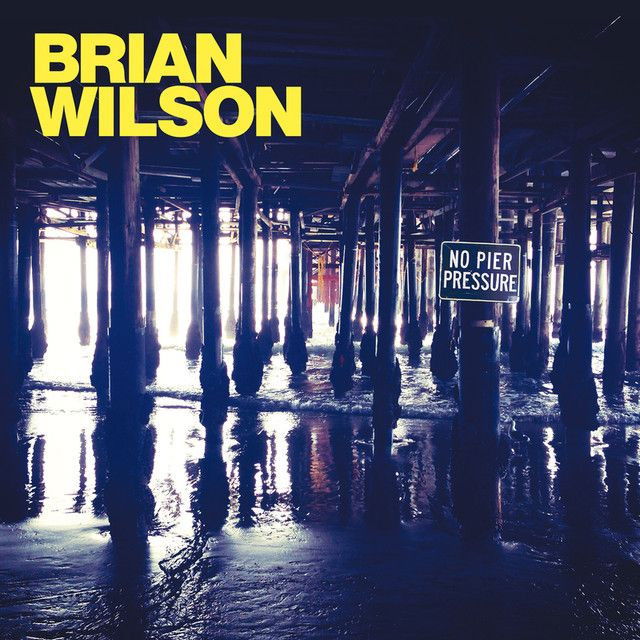
Why 'Sail Away' Feels Like a Late-Life Dream
The meaning of Sail Away Brian Wilson, Blondie Chaplin, Al Jardine centers on escape, renewed hope, and the choice to keep dreaming after disappointment. The song does not sound like a dramatic breakup or a hard protest. Instead, they frame freedom as something gentle but urgent: a chance to leave behind stress, routine, and confusion before life closes in again.
"Sail Away" - Brian Wilson ft. Blondie Chaplin, Al Jardine
A distant sunset on the open sea
Fascinated by the sailing ships
Loading lyrics...
Unable to load lyrics
We're unable to display the lyrics at this time. Please try again later.
That emotional balance matters. The lyrics look backward with memory, then forward with desire. They remember an early vision of adventure, admit that adult life nearly crushed it, and finally turn that old dream into an invitation. In simple terms, this is a song about holding on to wonder.
A Horizon Song About More Than Travel
On the surface, the story is easy to follow. The singer remembers a childhood or youth image of ships, sea air, and a distant shore. That memory stayed alive over the years, even while work and daily pressure took over. When the chorus arrives, the song turns that private dream into a shared one: sail away with me
.
Interpretation: the ocean journey is not just literal travel. It stands for emotional release. The destination matters less than the act of going. Phrases like follow the sun
and white sand beaches
create a peaceful fantasy, but the deeper point is recovery of spirit.
This fits Brian Wilson’s long artistic history. Their music has often used California imagery, beaches, wind, and open space to express innocence, longing, and emotional rescue. Listeners can hear that tradition here, but with older voices and a more reflective mood than the teenage surf records that first made them famous.
Watch the official Sail Away
music video
From Memory to Midlife Strain
One of the song’s strongest ideas is the contrast between early hope and adult struggle. The opening remembers a distant scene that seemed to call out. Later, the song admits that they almost stopped dreaming while trying to survive ordinary life.
That shift gives the song its emotional weight. The dream is not cheap fantasy because it has already been tested. The line about a so-called life
spinning out of control suggests frustration with routines that look normal from the outside but feel empty inside.
The Story Unfolds in Three Beats
- They remember a first vision of freedom.
- They confess that work and pressure nearly buried it.
- They ask someone else to join them before time runs out.
That structure makes the song feel personal and universal at once. Many listeners know the feeling of setting aside a deep wish just to keep going.
The Chorus Turns Escape Into Connection
The chorus is bright, but it is not lonely in the usual sense. Yes, they want to leave. But they do not want to leave alone. The repeated invitation gives the song its warmth.
Made a wish upon a falling star
Never thought that we would get this far
In context, those lines suggest gratitude as much as desire. They imply that survival itself is meaningful. The dream has lasted longer than expected, and now there is still time to act on it.
Interpretation: this is why the song feels romantic without being only a love song. The companion could be a partner, a friend, or even an imagined listener. What matters is shared escape. The phrase you can be my only
adds intimacy, but the larger theme is trust.
Images of Sea, Wind, and Time
The lyric writing uses a small set of recurring images, and each one carries emotional meaning.
Water and boats
Ships and open sea suggest freedom, distance, and the unknown. They also imply risk. Sailing means leaving stable ground, so the song quietly asks whether safety is worth spiritual boredom.
Wind and sun
The west wind and sunlight are natural guides. Instead of a map, they trust feeling, instinct, and movement. That gives the song a spiritual edge. Nature becomes a teacher.
Time running short
The late line about going while we still have time
changes the mood. Suddenly the song is not just dreamy. It is aware of age, limits, and mortality. That urgency is a big part of the meaning of Sail Away Brian Wilson, Blondie Chaplin, Al Jardine.
How the Sound Supports the Message
The production helps the lyrics land. Released on Brian Wilson’s 2021 album At My Piano, the original song itself comes from the later Wilson orbit where nostalgia and warmth often sit side by side. Vocally, the blend associated with Wilson, Blondie Chaplin, and Al Jardine gives the song a weathered sincerity rather than youthful rush.
The arrangement leans into smooth rock and soft coastal color. The tempo is steady, not urgent. That matters because the song is about longing that has matured. Instead of trying to sound wild, it sounds assured, as if the dream has been carried for years. According to album coverage, Wilson’s later work often draws attention for its reflective quality, and that context helps explain why this song lands as wistful rather than naive.
A Few Plausible Readings
There is more than one valid way to hear the song:
- A literal getaway song: They want to leave stress behind and start fresh somewhere peaceful.
- A spiritual renewal song: The sea stands for inner healing and a return to wonder.
- A late-life reflection: Older voices revisit youthful dreams and ask what is still possible.
All three readings have support in the lyrics. The strongest one combines them. The song works because the physical trip and the emotional trip feel inseparable.
Why the Song Connects
What makes this song moving is its modesty. It does not promise total transformation. It offers a human-sized hope: keep the dream alive, find one trusted person, and go toward light instead of away from it.
For many listeners, that is the real meaning of Sail Away Brian Wilson, Blondie Chaplin, Al Jardine. It is about refusing to let ordinary disappointment become the final story.
Disclaimer: This interpretation is based on the lyrics, recording context, and public artist history. As with any song, meanings can vary from listener to listener.







