Why “Ça pourrait changer” Feels Like a Warning
The meaning of Ça pourrait changer Brigitte Bardot comes down to a simple but sharp idea: a flirtatious relationship stops being cute when one person keeps pushing the other too far. The song sounds light, but its message is firmer than its breezy surface suggests. They present a speaker who is tired of broken promises, petty teasing, and emotional games.
"Ça pourrait changer" - Brigitte Bardot
Me fais des promesses
Que tu ne tiens pas,
Loading lyrics...
Unable to load lyrics
We're unable to display the lyrics at this time. Please try again later.
That tension is the key to why the song works. It lives in the space between pop charm and personal warning. Even before the title phrase lands, the verses make it clear that this is not just a casual complaint. The speaker is drawing a line.
Beneath the Smile, a Boundary Appears
At the start, the speaker addresses someone who keeps making promises and then failing to keep them. They also describe being mocked and needled instead of being treated with care. Short phrases like me fais des promesses
and pour te moquer de moi
show the pattern: this other person says things freely, but their words do not match their actions.
That matters because the song is not only about romance. It is about respect. The speaker is not hurt by one small mistake. They are reacting to repeated behavior.
When they warn, prends garde à toi
, the tone shifts. The line still fits the song’s catchy rhythm, but the message is serious. They are saying that patience has limits.
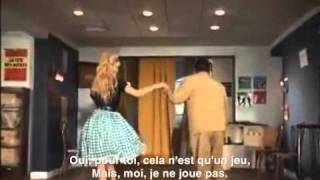
Watch the official Ça pourrait changer
music video
The Chorus Turns Frustration Into Power
The chorus is where the song’s meaning becomes most direct. The repeated title phrase, Ça pourrait changer
, suggests that the current situation will not last forever. The balance may flip. The person who enjoys teasing may soon be the one who feels exposed or rejected.
This makes the hook more than a catchy slogan. It becomes a prediction. The speaker is warning that if this person keeps playing games, the relationship itself may change.
The burst of Yé yé yé yé
is important too. It adds excitement and youthfulness, but it also creates contrast. The song sounds easygoing while the lyric says something tougher. That tension gives the track personality.
A Pop Narrator Who Refuses the Game
One of the clearest lines in the song explains the emotional divide between the two people. The speaker says that for the other person, it is only a game, but for them it is not. That is the whole conflict in miniature.
Oui, pour toi, cela n'est qu'un jeu,
Mais, moi, je ne joue pas.
This is the article’s clearest statement of theme: one person treats love like entertainment, while the other treats it as something real. In plain terms, the speaker wants sincerity, not manipulation.
Interpretation: This is why the song feels more mature than its polished pop style may first suggest. The speaker is not begging to be chosen. They are insisting on emotional honesty.
How the Verses Build the Case
The song moves in a neat sequence:
- The speaker lists hurtful behavior.
- They issue a warning.
- They explain that the other person thinks this is all fun.
- They imagine a future moment when the power shifts.
That last part is especially revealing. The speaker believes a day will come when they feel satisfied watching the other person lose. This is not pure revenge fantasy, but it is close. They imagine the teaser finally realizing what they risked.
Short phrases such as me mettre en colère
and la prochaine fois
help build that feeling. The other person keeps provoking. The speaker keeps counting. A threshold is approaching.
Brigitte Bardot’s Persona Helps the Song Land
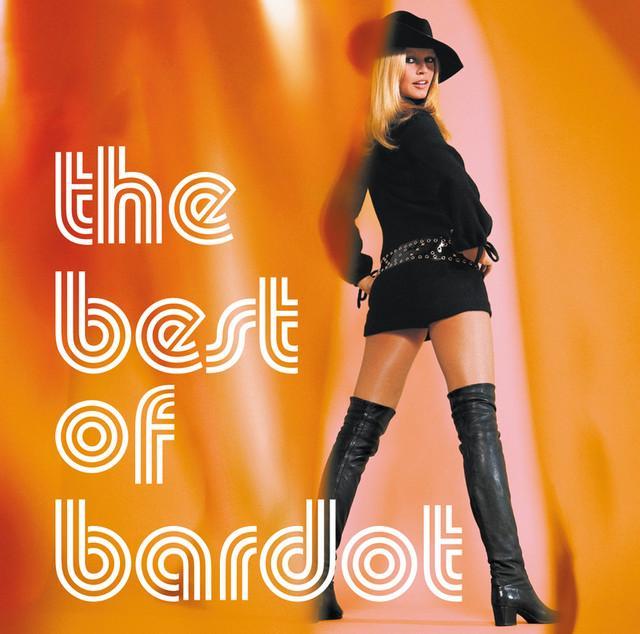
Brigitte Bardot was not only a singer but an international screen icon, widely associated with glamour, self-possession, and the 1960s French pop image, as documented by sources like Britannica and the Criterion Collection. That public image shapes how a listener hears this song.
A warning voiced by Bardot does not sound weak. It sounds cool, amused, and slightly dangerous. Even when the lyric expresses frustration, the performance style likely keeps it poised rather than desperate.
The provided context also credits Bob Barratt as the writer. That matters because the song is built with strong pop economy: repeated setup, memorable hook, and a clean emotional turn.
Why the Sound Likely Softens the Threat
Even without needing full production notes, the lyric strongly suggests a yé-yé framework: upbeat rhythm, bright vocal delivery, and a hook designed for repetition. In that style, emotional conflict often arrives wrapped in sweetness.
That contrast is a big part of the song’s appeal. If the arrangement is lively and polished, then the warning in the lyric becomes more intriguing, not less. A stern message over light pop creates irony. The singer does not need to shout. The control in the performance becomes the point.
Interpretation: The sound may tell listeners that the speaker has already regained some power. They are no longer just reacting. They are narrating the terms.
Two Plausible Ways to Read the Ending
There are at least two strong readings of the ending:
A romantic ultimatum
They are telling a careless partner to stop before they lose them. In this reading, the song is about boundaries inside a flirtation.
A fantasy of reversal
They are imagining the pleasure of seeing a manipulator finally fail. In this reading, the song is about emotional justice more than reconciliation.
Both readings fit the lyric. The song never fully closes the door, but it makes clear that change is coming if the behavior continues.
Why the Song Still Connects
The meaning of Ça pourrait changer Brigitte Bardot still feels fresh because many listeners know this exact emotional setup: one person laughs things off while the other quietly reaches a limit. The song captures that moment before a breakup, before a confrontation, or before self-respect finally wins.
Its smartest move is that it never abandons pop pleasure. The melody may invite a smile, but the lyric asks for seriousness. That mix of sparkle and warning is what gives the song its bite.
Disclaimer: This interpretation is based on the lyrics provided and publicly known artist context. Song meaning can remain open to different listener readings.








