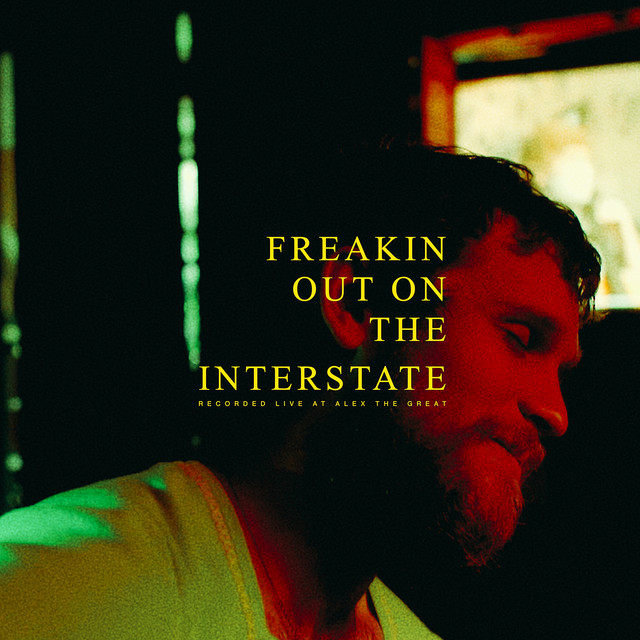
Why 'Freakin' Out' Feels So Human
The meaning of Freakin' Out on the Interstate Briston Maroney comes down to a feeling many people know but struggle to name: being in motion while emotionally stuck. The song sounds like a road song at first, but its real subject is inner panic, shame, and the hope that love can still reach someone in that state.
"Freakin' Out On the Interstate" - Briston Maroney
Rolling down the windows, baby, I can't hear a thing you say
I'm walking back to my favorite place
Loading lyrics...
Unable to load lyrics
We're unable to display the lyrics at this time. Please try again later.
Briston Maroney released the track in 2018, and it later appeared on Indiana in 2019. It became one of their signature songs, helping introduce their mix of indie rock, folk warmth, and open-hearted writing. Maroney is credited as the songwriter, and that personal feel matters because the lyrics sound less like a story performance and more like a confession remembered mid-drive.
A Panic Song Disguised as a Road Song
The opening image is physical and immediate: they are on the road, overwhelmed, and unable to take in the world around them. When the narrator says freakin' out on the interstate
, the line does more than set a scene. It turns the highway into a mental state.
They are moving fast, but they are not calm or clear. Even the detail about rolling down the windows suggests they want relief, noise, air, anything that might cut through the pressure in their head.
Interpretation: The interstate represents modern emotional overload. It is public, loud, and forward-moving, yet the narrator feels isolated inside it.

Watch the official Freakin' Out On the Interstate
music video
The Song's Real Conflict Is Shame
A key part of the song is not fear alone, but fear mixed with self-doubt. The narrator senses people watching and wonders if they are doing life wrong. That question gives the track its ache.
Later, the apology I haven't been myself
makes the song even more personal. They are not pretending to understand their sadness. In fact, one of the most honest details is that they cannot fully explain what is wrong.
I'm sorry I haven't been myself
And something's got me down
What it is, I cannot tell
That brief moment captures depression and anxiety in plain language. There is no dramatic metaphor here. The power comes from not having a neat answer.
Love Is Not the Opposite of Fear
The chorus carries the song's biggest idea. It does not claim that love erases pain. Instead, it says Fear is just a part of love
. That is a mature and unusual thought for a song that sounds this breezy on the surface.
In simple terms, the narrator seems to realize that caring deeply makes people vulnerable. Love opens the door to loss, guilt, rejection, and uncertainty. But the chorus does not end in despair. It lands on a form of reassurance: love is what you deserve
.
That shift matters. The song moves from panic to compassion, especially self-compassion. They may feel broken in the moment, but they are still worthy of care.
Family, Distance, and the Need to Return
One of the most moving verse turns is the call home. When they mention calling their father, the song broadens from personal anxiety into family history. There is regret in that section, along with tenderness.
The line about hoping they were missed suggests distance, maybe emotional, maybe physical, maybe both. Then the song reaches for repair: putting things behind them, if possible. That small phrase makes reconciliation sound hopeful but not guaranteed.
Another striking image is never feeling like I'm all the way home
. Home here is not just a house. It is a condition of peace. They can drive toward it, remember it, even call it, but they cannot fully arrive.
The Stones in the Pocket
Near the end of that family section, the narrator mentions stones inside my raincoat pocket
. It is one of the song's best symbols.
Interpretation: Those stones can stand for emotional burdens, guilt, memories, or habits of pain they keep carrying. Asking someone else to hold them is not a grand speech. It is a small, human request for help.
That image also fits the rest of the song because stones are tangible. The feelings may be hard to name, but their weight is not. The narrator may not know the source of their sadness, yet they clearly know it is heavy.
Why the Sound Makes the Meaning Hit Harder
Part of the song's appeal is the contrast between its themes and its sound. The arrangement feels open, melodic, and gently driving rather than dark or claustrophobic. That matters because it mirrors the lyrics: they are distressed, but they are still moving.
The guitars and steady rhythm give the track a loose highway pulse. Maroney's vocal style helps too. They sing with strain and softness at the same time, which keeps the confession from sounding polished. The performance feels close, as if the thoughts are arriving in real time.
This is why the song connects so strongly with listeners. It does not dramatize mental unrest with huge production tricks. It lets a tuneful, almost comforting indie-rock setting carry words that are more vulnerable than they first appear.
So What Does the Song Finally Mean?
At its core, the meaning of Freakin' Out on the Interstate Briston Maroney is about trying to stay connected while feeling mentally and emotionally off-balance. It traces a path from panic, to apology, to a fragile kind of grace.
The song suggests that fear does not cancel love. Confusion does not erase worth. And asking for help, whether from a partner, a parent, or anyone trusted, may be the first real step toward feeling at home again.
That is why the song lasts. It understands that some of the hardest moments in life do not look dramatic from the outside. Sometimes they just look like a person driving, remembering, and trying not to come apart.
Interpretation disclaimer: This reading is based on the released lyrics, performance, and publicly known context. Like many intimate songs, it can support more than one valid interpretation.








