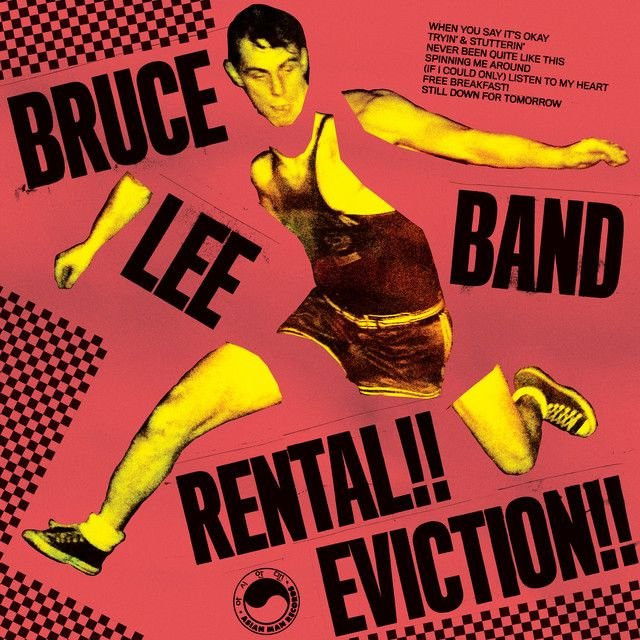
Why 'When You Say It's Okay' Feels So Unsteady
The meaning of When You Say It's Okay Bruce Lee Band comes into focus through tension: work versus understanding, motion versus rest, and independence versus the need for someone else's approval. Even in a small set of lyrics, the song creates a drifting, uneasy mood. They present a speaker who seems tired of systems built on money, routine, and empty rules, yet still reaches for comfort when another person says things are fine.
"When You Say It's Okay" - Bruce Lee Band
(working all the time never made you understand)
falling for the cash and a worthless rule
Loading lyrics...
Unable to load lyrics
We're unable to display the lyrics at this time. Please try again later.
A Song About Validation in a Broken Routine
At the simplest level, the song appears to describe someone caught in a life that no longer feels real or rewarding. Early lines point to a "makeshift plan" and to chasing cash and rules that do not seem to mean much. The repeated idea that working all the time
never led to understanding sharpens the point: effort alone has not produced wisdom, peace, or connection.
Interpretation: that makes the song less about laziness or failure and more about spiritual exhaustion. They seem to suggest that a person can do everything they are told to do and still feel far away from themselves.
The title phrase matters because it adds a second force. The speaker may not trust the world around them, but they still react deeply when you say it's okay
. That sounds like reassurance, permission, or maybe emotional rescue.

Watch the official When You Say It's Okay
music video
The Chorus Turns Falling Into a Plea
The chorus is where the song's emotional center opens up. The repeated drop of down down down
gives the song a sinking feeling. It is not just sadness. It feels like detachment, as if the speaker is slipping away from normal life and wants someone to witness it.
That is why the line about being watched while they fall is so striking. Rather than asking to be saved, they seem to ask to be seen. This is a subtle but powerful distinction. The song's pain is not only that life is hard; it is that the speaker may feel invisible inside that hardship.
down down down far from everything
would you come and watch me fall on through
That short passage frames the chorus as a request for presence. Interpretation: the other person may be a lover, a friend, or even a larger stand-in for acceptance itself.
Strange Images, Clear Feelings
One reason the song lingers is its unusual imagery. They move from money and paper to a rock with a pink flower, then to smell and taste. These details do not create a straight story. Instead, they build a collage of sensations.
The line about resting with paper in your hands
can suggest bills, documents, or the physical proof of a life built around transactions and obligations. In that light, paper becomes a symbol of the modern grind.
Then the song shifts into earthy and sensory objects. A rock, a flower, smell, taste, and old shoes all feel more physical than abstract rules. Interpretation: this could show the speaker trying to reconnect with the real world after being numbed by constant work and social pressure.
The phrase old and weathered shoes
is especially effective. It suggests wear, history, and survival. Nothing here is glamorous. The song dresses its emotional world in ordinary objects, which makes the sadness feel lived-in rather than dramatic.
How Bruce Lee Band's Style Supports the Meaning
Bruce Lee Band is closely associated with ska-punk and melodic punk energy through Mike Park's long-running body of work and Asian Man Records' broader DIY scene, as documented by the label's official history and artist pages (Asian Man Records, Mike Park profile). That context matters because this lyric set does something interesting inside that tradition.
Instead of going for a direct political statement or a clean narrative, the song leans into impression and repetition. In a ska-punk setting, that can make the track feel more haunted than aggressive. The likely push-and-pull of upbeat rhythm against uncertain lyrics would fit the song's core contradiction: life keeps moving, but emotionally the speaker is stuck.
The provided context credits Michael B. Park as the writer. That points to a personal voice shaped by concise songwriting. Even without full production notes, the words suggest a structure where repeated lines carry emotional weight more than plot. Repetition becomes its own kind of pressure, echoing the endless cycle of work and misunderstanding.
Two Strong Ways to Read the Song
Reading One: A relationship plea
In this reading, the song centers on one person asking another for emotional grounding. The world feels unstable, and the phrase about things being okay becomes a lifeline. The falling images then express vulnerability within intimacy.
Reading Two: A critique of empty success
A second reading hears the song as criticism of a culture built on work, cash, and worthless rules. Here, the title phrase becomes almost ironic. If someone says everything is okay, the song quietly asks: okay for whom?
Both readings work because the lyrics never over-explain. They leave room for listeners to connect personal anxiety with social pressure.
Why the Song Still Connects
The meaning of When You Say It's Okay Bruce Lee Band lies in how it captures modern burnout without using modern self-help language. They sketch a person who has done the work, followed the plan, and still feels far from everything.
What gives the song its emotional charge is that it does not end with certainty. Approval helps, but it may not heal the deeper fracture. That tension is why the track feels so human: reassurance matters, yet it cannot fully replace understanding.
Interpretation disclaimer: This reading is based on the lyrics provided, available artist context, and musical conventions around Bruce Lee Band's style. As with any song, listeners may hear different meanings.








