Why "Atlantic City" Feels Like a Last Chance
The meaning of Atlantic City Bruce Springsteen starts with a hard truth: this is not a simple love song or a simple crime song. It is a story about people cornered by debt, fear, and bad options, still trying to believe a new life might be possible.
"Atlantic City" - Bruce Springsteen
Now they blew up his house, too
Down on the boardwalk they're gettin' ready
Loading lyrics...
Unable to load lyrics
We're unable to display the lyrics at this time. Please try again later.
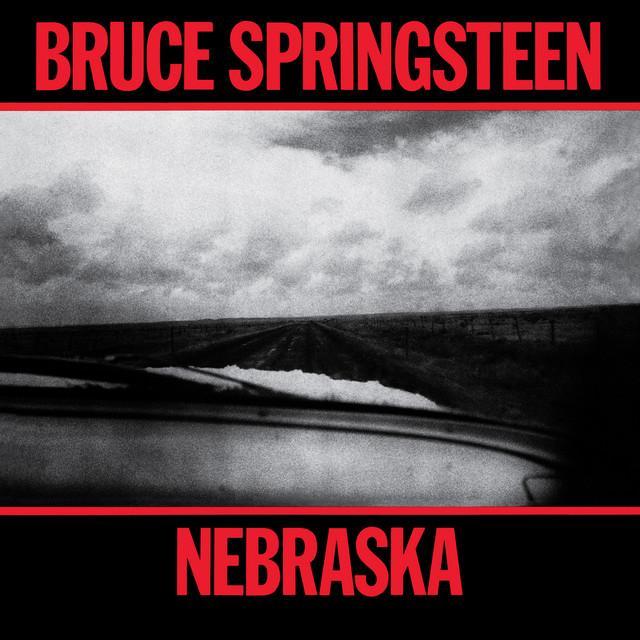
First released on Nebraska in 1982, the song was written and recorded by Springsteen at home before that stark demo was chosen for the album instead of a full-band version, as noted by Wikipedia and American Songwriter. That matters, because the bare sound is part of the meaning.
A Broken City Mirrors a Broken Life
The song opens with mob violence and public corruption, placing the listener in a world where danger already feels normal. The reference to the Chicken Man
points to the real 1981 killing of Philadelphia mob boss Phil Testa, which gives the story a concrete East Coast underworld backdrop.
But Springsteen does not stop at crime-report detail. He uses Atlantic City itself as a symbol. In the late 1970s and early 1980s, the city was trying to sell rebirth through casino gambling, yet the song shows a place where hope and rot exist side by side.
Interpretation: Atlantic City becomes more than a setting. It stands for the American promise of reinvention, especially for working people, while also exposing how fragile that promise can be.

Watch the official Atlantic City
music video
The Narrator Chooses Survival Over Purity
At the center is a narrator speaking directly to a partner. They have tried the honest route, but it has not worked. When he admits there are debts that no honest man can pay
, the line frames the whole moral crisis.
This is not bragging. It sounds defeated, even ashamed. He is not chasing glamour; he is trying to outrun collapse.
A few story beats make that clear:
- He sees a city charged with violence and crooked power.
- He tells his partner that regular work has failed him.
- He prepares to leave, withdrawing what little money remains.
- He agrees to do
a little favor
for a dangerous man.
That last move is the turning point. The song never spells out the exact job, but the meaning is plain enough: he is about to cross a line because he feels he has run out of lawful choices.
The Chorus Holds Death and Hope Together
The most famous line in the song is also the key to its emotional force. The narrator says everything dies
, then reaches for the idea that maybe dead things return.
That refrain does two jobs at once. On one level, it sounds philosophical, almost like folk wisdom. On another, it sounds like self-persuasion from someone who badly needs to believe that ruined luck, cold love, and failed towns can still come back.
Everything dies, baby, that's a fact
But maybe everything that dies someday comes back
This is the song's central tension. It never offers easy optimism. The word “maybe” does all the work. Hope is present, but it is thin, shaky, and costly.
Love Is Tender, but It Cannot Save Them Alone
One reason “Atlantic City” hits so hard is that the romantic language is gentle even when the world is brutal. He asks the partner to get ready, look nice, and meet him. Those details make the planned escape feel intimate, almost ordinary.
Yet that ordinary tenderness is surrounded by threat. The invitations to meet me tonight
are warm, but they also carry urgency. This may be a date, a flight, or a final act before things get worse.
Interpretation: The relationship gives the narrator a reason to keep moving, but love by itself cannot erase economic pressure or moral danger. It can only make the risk feel worth taking.
Why the Nebraska Sound Matters So Much
The production is essential to the meaning of Atlantic City Bruce Springsteen. Springsteen recorded the Nebraska version on a home four-track in Colts Neck, New Jersey, using a stripped-down setup rather than polished studio gloss. On the released track, they hear mostly voice, guitar, and sparse textures, with a haunted openness around every line.
That lo-fi sound changes the song's impact. A full E Street Band arrangement might have turned it into a bigger anthem. Instead, the home recording makes the narrator sound alone with his thoughts, as if he is talking just before dawn, trying to convince himself to keep going.
American Songwriter notes that the melody is unusually catchy for such a bleak song. That contrast matters. The tune pulls listeners in while the words slowly reveal a world of pressure, compromise, and dread.
A Song About America, Not Just One Town
Although the plot is specific, the song reaches beyond New Jersey. Its world of winners, losers, debt, and shrinking options fits a wider American story. Springsteen often writes about workers who believe in dignity but find the system closing around them. “Atlantic City” may be one of his sharpest versions of that theme.
The city promises gold, but the song keeps asking what people must sacrifice to get near it. That question is why the track still feels current.
Why It Still Endures
The song lasts because it refuses simple answers. It understands that people can be loving and desperate, honest and tempted, hopeful and nearly broken at the same time.
In the end, the meaning of Atlantic City Bruce Springsteen is about survival under pressure. It is about the dangerous story people tell themselves when they need one more chance. And it is about how a dying place can still glow in the imagination like a doorway to rebirth.
Interpretation disclaimer: song meanings are not fixed. This reading is based on the lyrics, recording context, and documented history around Nebraska*, but listeners may reasonably hear different shades of hope, crime, and love in the song.*







