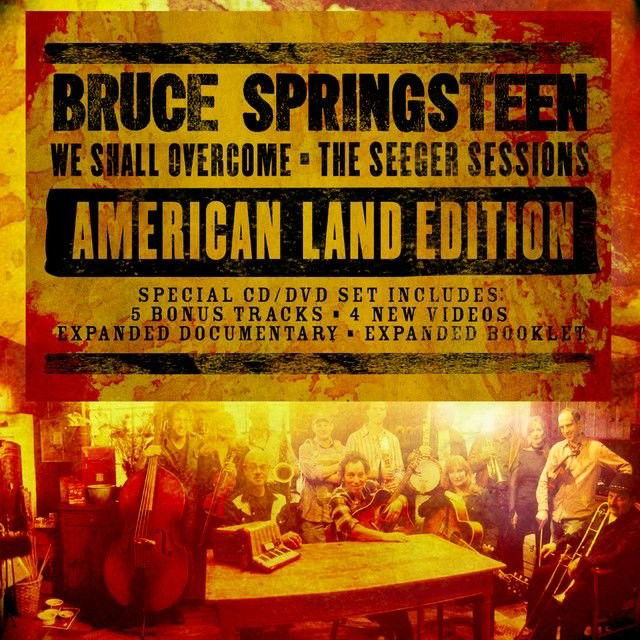
John Henry by Bruce Springsteen
Why This Old Story Still Hits Hard
The meaning of John Henry Bruce Springsteen starts with a very old American legend. John Henry is the steel-driving worker who races a machine, wins, and dies from the effort. In Springsteen’s hands, that story becomes more than a history lesson. It becomes a song about labor, pride, dignity, and the human cost of progress.
"John Henry" - Bruce Springsteen
Sittin' on his papa's knee.
He picked up a hammer and a little piece of steel;
Loading lyrics...
Unable to load lyrics
We're unable to display the lyrics at this time. Please try again later.
This version appears on Springsteen’s 2006 folk project We Shall Overcome: The Seeger Sessions, an album built from songs linked to Pete Seeger’s musical world. That context matters. Springsteen is not presenting "John Henry" as a private diary entry. They are treating it like a shared American story, one that still speaks to modern fears about work being replaced.
Watch the official John Henry
music video
The Core Meaning Behind the Hammer
At its heart, the song is about a worker refusing to let a machine define his worth. John Henry knows the odds are terrible, yet he still fights for his craft and identity. When the lyric says a man ain't nothin' but a man
, it sounds humble at first. But the line also turns into a statement of dignity: a person may be limited, but they still deserve respect.
The song sets up a clash between muscle and machinery, but the deeper conflict is moral. The steam drill represents industrial change that treats people as replaceable. John Henry stands for skill, endurance, and pride in work. He would rather die proving his value than quietly accept being pushed aside.
Interpretation: Springsteen likely leans into this tension because it fits a lifelong theme in their catalog: ordinary workers trying to hold onto meaning in an economy that often ignores them.
How the Story Unfolds
The ballad moves in a simple, powerful arc:
- John Henry is marked from the start by the hammer and steel.
- A captain brings in a steam drill to outperform human labor.
- John Henry accepts the contest and works with ferocious force.
- He beats the machine, but the effort destroys his body.
- His legend lives on through family and memory.
That plain storytelling is part of why the song lasts. The details are concrete: hammer, steel, mountain, captain. Even a phrase like cold steel ring
does two jobs at once. It describes the work site, but it also gives the song its emotional texture. The sound of labor becomes the sound of a life being spent.
A Heroic Tale With a Tragic Price
One of the strongest parts of the song is that victory does not feel simple. John Henry defeats the machine, yet the machine still changes the world around him. The lyric laid down his hammer
marks the end not just of a man, but of a way of life.
That is why the ballad feels both triumphant and sad. John Henry wins the contest but loses everything else. The song refuses an easy ending. Progress moves forward, but someone pays for it.
before I let your steam drill beat me
I'd die with a hammer in my hand
Those lines condense the entire message. John Henry values honor in work more than survival without it. In story terms, that makes him larger than life. In emotional terms, it makes him painfully human.
Polly Ann and the Family Legacy
Another important layer is the family story around John Henry. The song does not stop with his death. It mentions Polly Ann, who can also drive steel, and it points to the child who carries his name forward. That keeps the ballad from becoming only a macho contest.
Polly Ann matters because she shows that labor, strength, and survival are not his alone. The family shares the burden. The child matters because memory turns private loss into folklore. By the end, John Henry is no longer just one worker. He is a symbol passed from one generation to another.
When the song says my daddy was steel-driving man
, the point is not only biography. It shows how work becomes identity, and how identity survives through storytelling.
Why Springsteen Was Drawn to It
Springsteen has long written about workers, factories, and the pressure of economic change. Songs across their career return to jobs that wear down the body and to systems that strip away pride. That makes "John Henry" a natural fit.
On the Seeger Sessions album, Springsteen and a large band play with communal energy rather than polished rock drama. According to album notes, the project was inspired by music associated with Pete Seeger. That choice shapes the meaning. Instead of sounding isolated, the song sounds public, collective, and lived in.
How the Sound Carries the Message
The production is crucial to the meaning of John Henry Bruce Springsteen. This is not a sleek studio performance. It has the stomp, swing, and rough lift of a group gathered in one room. Fiddle, banjo, horns, group vocals, and hand-played rhythm give the song momentum that feels physical.
That matters because the song is about bodies at work. The arrangement almost swings like a work gang in motion. The beat feels communal rather than mechanical, which subtly sides with human effort over machine force.
Springsteen’s vocal delivery also helps. They do not sing it like a distant curator honoring a museum piece. They sing it with grit and drive, which keeps the old folk tale emotionally present.
The Big Idea Beneath the Legend
In the end, the meaning of John Henry Bruce Springsteen is about more than one worker with a hammer. It is about what people fear losing when technology and power move faster than human dignity. The song admires toughness, but it also mourns the system that makes such sacrifice necessary.
Interpretation: Listeners can hear it as a labor anthem, a warning about industrial progress, or a tribute to working-class identity. All three readings fit because the song holds pride and grief at the same time.
That balance is why "John Henry" still lands. It remembers a hero, but it also asks whether any victory is enough when the worker has to die to be seen.
Disclaimer: This interpretation is based on the song’s lyrics, Springsteen’s recording context, and widely known folk history. As with any traditional song, listeners may hear additional meanings.








