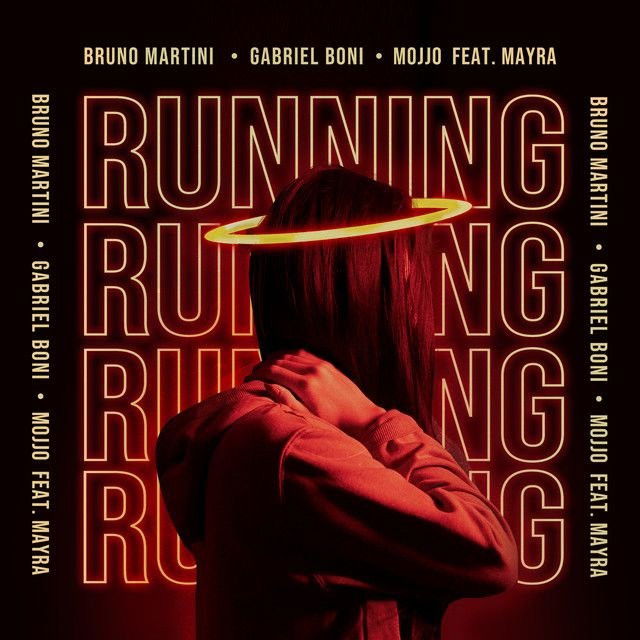
Why 'Running' Turns Heartbreak Into Motion
The meaning of Running Bruno Martini, Gabriel Boni, Mojjo, Mayra comes through fast: this is a song about refusing to get stuck after loss. Its speaker sounds shaken, but not frozen. They are moving, breathing, remembering, and trying not to waste another second on promises that no longer feel safe.
"Running" - Bruno Martini, Gabriel Boni, Mojjo, Mayra
I see pieces on the road
'Cause I'm running, running, running
Loading lyrics...
Unable to load lyrics
We're unable to display the lyrics at this time. Please try again later.
With writing credited in the provided context to Bruno Martini, Gabriel Boni, Gederson Quintino, and Mayra Arduini, the song builds a simple emotional idea into something bigger. Rather than telling a detailed story, it uses repeated lines and urgent images to show a person caught between memory and survival.
The Core Message Hides in Plain Sight
At the center of the song is a conflict between grief and momentum. The verses admit confusion and damage. Early on, the image of pieces on the road
suggests a breakup, a life change, or the aftermath of a painful shock.
But the song does not stay in that wreckage. The repeated cry of running, running, running
turns motion into a coping method. They are not calm. They are not healed. Still, they keep moving.
Interpretation: that is why the song feels more determined than defeated. It presents movement as a way to survive emotional chaos when there is no neat explanation for what went wrong.

Watch the official Running
music video
A Speaker Caught Between Memory and Tomorrow
One of the smartest parts of the lyric is how it balances past and future. The speaker knows something valuable is gone, and they admit that no one prepared them for that loss. Yet they also reject the trap of living only in what was.
That idea becomes clear in the line Won't trade tomorrow for never
. In plain terms, they refuse to give up a possible future just because the present hurts. The phrase is compact, but it carries a lot of weight.
Right after that, the song pushes back against fantasy with Won't talk about forever
. That sounds like a rejection of empty big words. Forever once sounded romantic; now it sounds unrealistic.
Why the Chorus Hits So Hard
The chorus works because it turns pain into a rule for living. Instead of promising devotion, it insists there is no time to lose
. That line can be heard as self-protection, but it also sounds like a wake-up call.
Interpretation: the speaker may be talking to a former partner, but they may also be talking to themselves. In that reading, the chorus becomes a personal oath: stop waiting, stop bargaining, stop pretending time is endless.
This is why the hook feels emotionally sharp. It is not just sadness. It is sadness mixed with discipline.
The Small Images Do the Heavy Lifting
Even though the lyrics are brief, they include a few strong physical details. A fast heartbeat and the command to breathe like it's your last
make the song feel bodily, not abstract. This is not distant reflection. It is stress felt in the chest and lungs.
That matters because the song's emotional state is panic turning into purpose. The body is under pressure, and the song uses that pressure to create forward momentum.
Another key line is I'm remembering
. That phrase answers the song's emotional tension. One person may have moved on or chosen forgetfulness, but the speaker has not. Memory remains active, even while they keep running.
How the Sound Likely Supports the Meaning
Without overstating unsourced production specifics, it is fair to say a track by Bruno Martini and collaborators is likely built around electronic pop or dance music instincts, given their broader catalog and scene presence. In songs like this, a steady beat can do more than make the track catchy. It can mirror the message.
A driving rhythm would fit the lyric perfectly. Repetition in dance-pop often creates emotional insistence, and here the repeated hook feels like both anxiety and motivation. The likely contrast between airy vocals and pulsing production would also match the theme: vulnerability floating over relentless motion.
Interpretation: that contrast may be the whole point. The singer sounds wounded, while the track keeps pushing ahead. The result is a song where the production enacts the same survival instinct the lyrics describe.
Two Strong Readings of 'Running'
There are at least two believable ways to hear this song:
- Breakup recovery: The most direct reading is that someone is dealing with a romantic split. They know promises failed, they still remember, and they are trying to move before grief traps them.
- A broader life reset: The song can also be heard as a response to sudden change in general. Lost plans, broken trust, and the fear of wasted time all fit beyond romance.
Both readings work because the writing stays broad enough to invite listeners in. That openness is one reason the track may connect so easily.
Why the Song Stays With Listeners
The meaning of Running Bruno Martini, Gabriel Boni, Mojjo, Mayra is not complicated, but it is emotionally precise. It captures the moment when someone realizes healing will not begin with closure. It will begin with motion.
The song's best idea is that moving on does not require forgetting. They can still carry memory, still feel hurt, and still choose tomorrow over paralysis. That tension gives the song its pulse.
In the end, "Running" is less about escape than endurance. It says people can be broken, breathless, and uncertain, and still refuse to lose more time.
Disclaimer: This interpretation is based on the lyrics provided and publicly known credits where available. Song meanings can vary by listener, and the artists may not have confirmed a single definitive reading.








