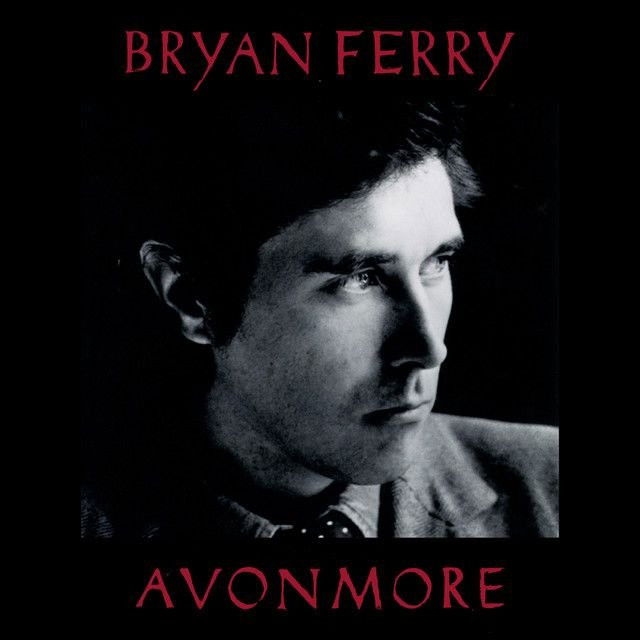
What 'Loop De Li' by Bryan Ferry Really Means
The meaning of Loop De Li Bryan Ferry comes down to emotional confusion, stalled movement, and the bitter aftertaste of a failed connection. The song describes someone waking into disorientation, carrying loss, and moving through a relationship that feels stuck in circles rather than heading anywhere healthy.
"Loop De Li" - Bryan Ferry
What's on your mind?
Confusion can't face it
Loading lyrics...
Unable to load lyrics
We're unable to display the lyrics at this time. Please try again later.
Bryan Ferry is known for turning fractured feelings into stylish, moody art, first with Roxy Music and then in his solo work. In “Loop De Li,” they do that with especially sharp economy. The lyric is short, but it is loaded with images of drift, resentment, and emotional exhaustion.
A breakup song trapped in a cycle
At its core, the song sounds like the aftermath of love going cold. Early lines place the listener in a state of mental fog. The opening image, You wake up
, is less about a fresh start than a rude return to reality. They are not waking into hope. They are waking into confusion.
That confusion quickly turns into emotional isolation. The song says there is no safe person and no safe place left. Then it lands on a blunt emotional fact: Your love has died
. That line gives the rest of the song its center. Everything after it feels like fallout.
Interpretation: Rather than telling a detailed story, Ferry seems to sketch a mental state. The speaker appears to be watching someone else suffer, while also admitting they are both trapped in the same failing pattern.

Watch the official Loop De Li
music video
Why the chorus matters so much
The key to the meaning sits in the refrain: we're killing time
and up down see saw
. Paraphrased, the relationship has become repetitive and empty. They are still moving, but it is motion without progress.
That is where the title phrase earns its power. “Loop De Li” sounds playful at first, almost like a nonsense hook. But in context, it feels ironic. It suggests looping, circling, and returning to the same emotional point again and again. The phrase gives the song a sing-song surface while the content underneath stays bruised and sour.
Hatred and bitter
Loop de li
That tiny repeated pairing captures the song’s tension. One phrase is harsh and direct; the other is light and odd. Put together, they sound like someone trying to package pain into a catchy shape.
The verses paint emotional numbness
Several images point to someone who cannot face what has happened. The song mentions closed eyes, watching, waiting, and walking by. All of these actions suggest distance. Instead of confrontation or healing, there is avoidance.
The phrase Sweet picture taste bitter
is especially revealing. Ferry contrasts a beautiful surface with a bad emotional truth. Something that once looked ideal now leaves a bitter taste. That image fits his larger songwriting style, where glamour often hides disappointment.
Another important thread is ambition. The lyric hints that ambition clouds the mind and may have helped poison the bond. In plain terms, desire for something else—status, freedom, control, or self-interest—may have pushed love aside. The song never explains that directly, but it plants the idea next to bitterness and delusion.
Sound and style: sleek music, damaged feelings
“Loop De Li” is a rock song, but its emotional effect likely depends as much on mood as on force. Ferry’s best-known work often uses polished arrangements, cool vocals, and a sense of elegant detachment, as heard across his solo catalog and with Roxy Music. That artistic context matters here.
Even without a dense narrative, the title phrase, repeated words, and clipped lines suggest a track built around groove and atmosphere. If the music leans steady and circular, that would reinforce the lyric’s emotional loop. If Ferry sings with restraint rather than dramatic release, that would deepen the feeling of numbness. In other words, the production likely does not rescue the characters from their sadness; it traps them inside it.
Interpretation: The contrast between stylish sound and bitter feeling may be the point. Ferry often makes distress sound elegant, which can make the heartbreak feel even colder.
Two strong ways to read the song
Reading one: a dead relationship
The clearest reading is that two people are living through the final stage of a relationship. They both know it is over, but neither is changing anything. That makes we're killing time
feel devastating. They are not building a future. They are just waiting inside the ruins.
Reading two: a portrait of modern emptiness
A second reading is broader. The song can also sound like a critique of emotional shallowness. Words like delusion, ambition, bitterness, and hatred suggest a world where image has replaced real feeling. Under that reading, the failed romance is one example of a larger spiritual emptiness.
Both readings fit the lyric because the song stays compressed and abstract. That ambiguity is part of what gives it staying power.
So what is the meaning of Loop De Li Bryan Ferry?
The best answer is that the song captures what it feels like when love has curdled into habit, resentment, and emotional drift. Its central image is not a dramatic breakup scene but a loop: people repeating the same motions after warmth is gone.
That is why the song feels memorable despite its brevity. It turns circular melody and short, bitter images into a portrait of being emotionally stuck. They do not just sing about heartbreak. They sing about heartbreak that has lost its drama and become routine.
Final takeaway
The meaning of Loop De Li Bryan Ferry is less about one event than one condition: confusion after intimacy dies, followed by motion without healing. The song’s strange title, bitter contrasts, and repeated phrases all point to the same idea—people caught in an emotional cycle they can recognize but cannot break.
Disclaimer: This interpretation is based on the song’s lyrics, musical context, and Bryan Ferry’s broader style. As with most songs, listeners may hear different meanings in it.