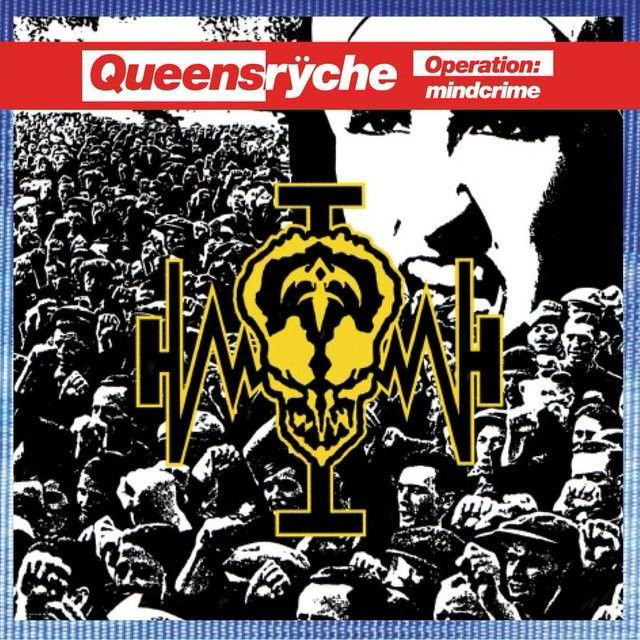
Why Queensrÿche’s Love Song Feels Like a Breakdown
The meaning of I Don't Believe in Love Queensrÿche is not just that someone got their heart broken. The song feels bigger and darker than a standard breakup track. It presents a narrator who is cornered by memory, guilt, and grief, then tries to survive by rejecting love itself.
"I Don't Believe in Love" - Queensrÿche
Under surveillance from the camera eye
Searching high and low
Loading lyrics...
Unable to load lyrics
We're unable to display the lyrics at this time. Please try again later.
Queensrÿche released the song on Operation: Mindcrime, the band’s 1988 concept album, and later issued it as a single in 1989. According to widely cited discography details, it was written by Chris DeGarmo and Geoff Tate and produced by Peter Collins. It also became one of the band’s most enduring songs, even earning a Grammy nomination for Best Metal Performance in 1990.
A Broken Heart Inside a Crime Story
What makes this song stand out is its setting. The opening does not begin with romance. It begins in shock, confusion, and surveillance. When the narrator says I awoke on impact
and mentions the camera eye
, they sound like someone waking into a nightmare already in progress.
That matters because Operation: Mindcrime is a concept album built around manipulation, violence, and a damaged main character. In that context, this song is not simply about being dumped. It sounds like a man trying to process a traumatic loss while trapped inside a larger collapse of identity.
Interpretation: The title phrase is less a belief system than a defense mechanism. They do not stop believing because love is fake. They stop because trusting it now feels dangerous.
Watch the official I Don't Believe in Love
music video
The Chorus Turns Pain Into a Rule
The chorus is blunt: I don't believe in love
. Then it hardens into a life rule with never worth the pain
. That shift is the emotional key to the song.
Instead of saying one person hurt them, the narrator universalizes the wound. They take one devastating experience and turn it into a total rejection of intimacy. That is how grief often sounds in real life too: absolute, dramatic, and meant to seal off more pain.
There is also a sad contradiction in the repeated line. People who truly feel nothing usually do not sound this wounded. The force of the denial suggests the opposite: love mattered deeply, and that is exactly why the loss is unbearable.
What the Verses Reveal About the Narrator
The verses add more than sadness. They show a mind under pressure. The song mixes romance with criminal imagery: a scene, accusation, handcuffs, blindness. Those details make the speaker seem trapped, judged, and unable to fully explain what happened.
One key detail is the missing woman. They recall that She said she loved me
, but the memory gives no comfort. Instead, it raises doubt. Did they misread her? Did she leave? Did she die? Within the album’s story, that uncertainty makes the loss feel even more haunting.
Later, the song moves from bright memory to darkness. The narrator says life once felt illuminated by her presence, but now they walk in shadows
. That is simple writing, but very effective. Love becomes linked with light, and its absence becomes a permanent dimming of the world.
A Quick Timeline of the Emotional Story
They move through the song in a clear arc:
- They wake in confusion and fear.
- They remember a woman who changed their life.
- They realize she is gone and may never return.
- They turn heartbreak into a vow against love.
- They try to numb themselves by pretending she was not real.
That fourth step is crucial. This is not healing. It is emotional retreat.
I don't believe in love
I never have, I never will
This brief refrain works because it sounds final, but the rest of the song keeps proving it is not settled at all.
Sound and Production: Why It Hits So Hard
The music helps sell the meaning. Queensrÿche were working at the polished, theatrical end of progressive metal here, and that style fits the song perfectly. The guitars are heavy but controlled, the rhythm section keeps a steady sense of pressure, and Geoff Tate’s vocal is sharp enough to sound both wounded and defiant.
Rather than making the track chaotic, the band keeps it precise. That restraint matters. The controlled arrangement mirrors a narrator trying to hold themselves together while intense emotion leaks through the cracks.
Interpretation: The song’s clean, dramatic production makes personal pain feel cinematic. It lets listeners hear both the private heartbreak and the larger album story at once.
Why the Song Lasted
The track has had unusual staying power. It appeared on several Queensrÿche compilations and, by one widely circulated count, had been performed live hundreds of times, making it one of the band’s setlist staples. That endurance makes sense because the song offers two hooks at once: a strong melodic chorus and a very human emotional idea.
Many listeners may not know every detail of Operation: Mindcrime, but they still recognize the feeling underneath it. After loss, people often make grand statements to protect themselves. This song captures that impulse with rare force.
The Most Plausible Reading
The best reading is that the narrator does believe in love, but only as something powerful enough to destroy them. Their refusal is really fear. They are trying to turn heartbreak into control.
That is why the song still connects. The meaning of I Don't Believe in Love Queensrÿche comes from the tension between what they say and what they clearly feel. The words reject love, but the pain proves love was real.
Disclaimer: This interpretation separates known facts about the song’s release and credits from subjective reading of its lyrics and album context. Like many concept-album songs, its meaning remains open to listener interpretation.








