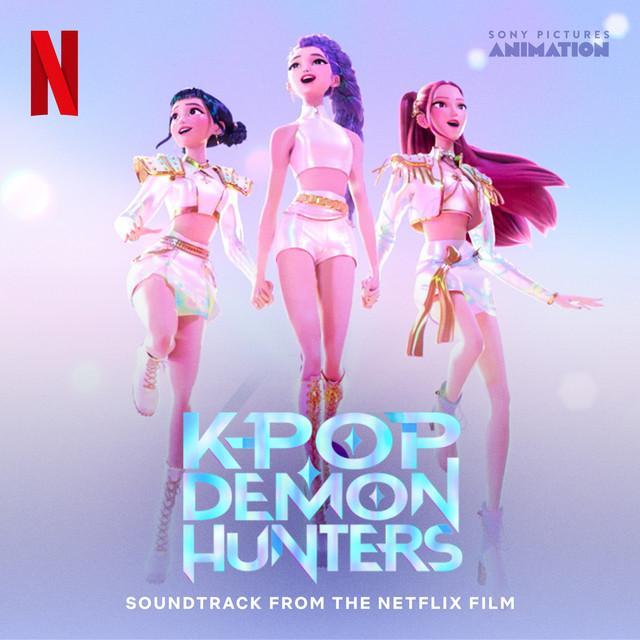
Your Idol by Saja Boys, Andrew Choi, Neckwav, Danny Chung, Kevin, samUIL Lee, KPop Demon Hunters Cast
They frame devotion as a deal with a glittering devil. The track turns fan love into a ritual, asking what we give up when we worship an “idol.” This guide explains the meaning of Your Idol Saja Boys, Andrew Choi, Neckwav, Danny Chung, Kevin, samUIL Lee, KPop Demon Hunters Cast for U.S. listeners.
"Your Idol" - Saja Boys, Andrew Choi, Neckwav, Danny Chung, Kevin, samUIL Lee, KPop Demon Hunters Cast
Pray for me now (dies irae)
Pray for me now (illa)
Loading lyrics...
Unable to load lyrics
We're unable to display the lyrics at this time. Please try again later.
Worship, Sin, and the Idol Machine
At its core, the song explores how celebrity can feel like religion. The opening chant nods to the Latin “Dies irae,” a centuries-old motif linked with judgment and doom in Western music source. Right away, the stage feels like a church, and the singer steps in as the preacher.
When they promise I’ll be your idol
, the word carries two meanings: pop star and carved god. Interpretation: the narrator offers relief and purpose in exchange for loyalty. They claim a power greater than fame, hinting they want more than attention—they want the listener’s identity.
Who Holds the Mic and Why It Matters
The narrator speaks directly to a fan, positioning themselves as both comfort and addiction. With keeping you obsessed
, they admit the relationship thrives on need. It’s a feedback loop: the more the fan aches, the more the idol gives—and takes.
Interpretation: the song stages a parasocial bond, where fans feel close to someone they don’t truly know. Research and reporting have shown how such ties can feel real and intense source. The narrator exploits that closeness, saying they alone can love the listener’s flaws.
From Prayer to Possession: A Mini-Story
The arc moves from invitation to takeover. First, the ritual begins with calls to pray and a promise of safety. Then the narrator turns up the heat, offering sanctuary and salvation if the listener surrenders.
Living in your mind now Too late ’cause you’re mine now
By the end, the vows feel binding. Interpretation: what starts as comfort becomes control. The fan is not just guided; they’re absorbed into the idol’s persona.
Symbols That Glow Dark
Religious language runs throughout. They claim to love your sins
, flipping confession into marketing—your weakness makes you loyal. When they’re preaching to the choir
, the crowd already believes, so the sermon is about deepening devotion, not changing minds.
Kneeling appears as both worship and surrender: down on your knees
. Fire and “star” imagery suggest fame’s bright burn—warming, but also consuming. Interpretation: the repeated pledges of rescue imply no rescue at all; the idol offers belonging while isolating the listener from any other savior.
The Sound of Temptation
The arrangement leans dark and cinematic: low synths, choral layers, and a percussive pulse that feels ceremonial. The intro’s chant evokes the “Dies irae,” a theme many listeners know from film scores even if they don’t know its name source. That color codes the song as a ritual long before the beat drops.
Vocals switch between intimate whispers and commanding calls, mirroring tenderness and domination. Hooks land hard and repeat, making the message feel inescapable—just like the narrator wants. Interpretation: the mix treats the voice like an incantation, engineered to get “underneath your skin.”
Credits and Context Clues
The credited team includes writers like Andrew Choi, a veteran K-pop songwriter and vocalist known for sleek, melodic hooks source. That craft shows in the song’s tight chorus and chant-like repetition. While the credit list references multiple contributors, the unified voice suggests a clear concept: fame as worship, worship as control.
Interpretation: even without a full backstory, the blend of church, club, and cult signals a world where idols hunt demons—and maybe become them. The theatrical tone fits a cinematic universe; the lyrics read like a character stepping into power.
Alternate Readings You May Hear
- Critique of fandom: The song warns that chasing comfort in a star can cost your autonomy. The idol “saves” by absorbing you.
- Villain POV fantasy: It could be a character anthem where a powerful figure seduces followers. In that frame, the excess is the point.
- Empowerment twist: Listeners might hear it as claiming self-worth—embracing flaws and finding strength in total commitment. Interpretation: the edge remains, but the “idol” is your highest self.
Final Chorus: What It Leaves You With
They turn the stage into a sanctuary and the hook into a vow. Whether you hear warning or allure, the song shows how easy devotion can slide into dependence. The lights glitter; the promise glows; the price is hidden in plain sight.
Disclaimer: Interpretation reflects one reading of the lyrics and sound. Your take may differ.







