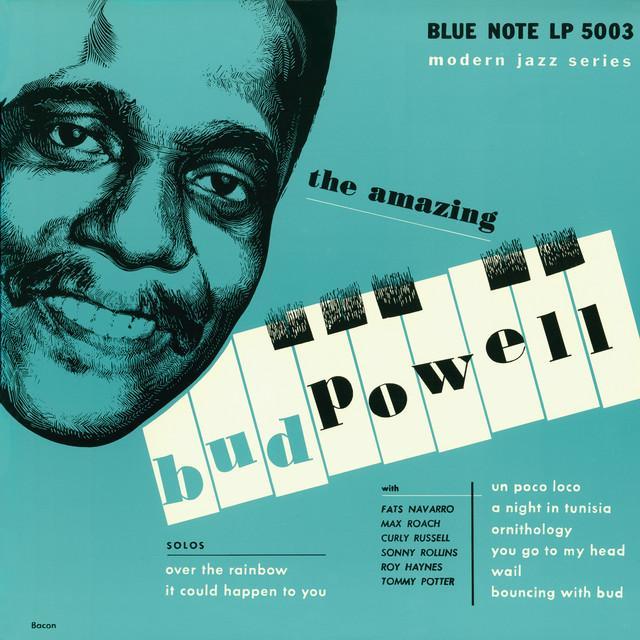
Why Bud Powell’s ‘You Go To My Head’ Still Sways
The meaning of You Go To My Head Bud Powell starts with a simple idea: love feels less like calm romance and more like a pleasant loss of control. This standard, written by J. Fred Coots and Haven Gillespie, turns attraction into a kind of dizziness. In Bud Powell’s hands, that feeling becomes even sharper. They do not just hear a love song; they hear obsession, elegance, and emotional imbalance held together by style.
"You Go To My Head" - Bud Powell
And you linger like a haunting refrain
And I find you spinning round in my brain
Loading lyrics...
Unable to load lyrics
We're unable to display the lyrics at this time. Please try again later.
Bud Powell was one of bebop’s most important pianists, a Harlem-born innovator whose right-hand phrasing changed modern jazz piano, as noted in this brief Bud Powell biography. That matters here because Powell often played standards in a way that stripped them down and rebuilt them through rhythm, harmony, and touch. Even when the song begins as familiar popular material, they can make it sound newly exposed.
A Love Song About Mental Occupation
At the center of the song is a speaker who cannot stop thinking about someone. The title phrase, you go to my head
, is not just romantic flattery. It suggests intoxication, confusion, and repeat thoughts. The person is not simply admired; they take over the speaker’s inner life.
That idea keeps growing through comparisons to alcohol, bubbles, and heat. The song says attraction acts like a stimulant. It lifts, spins, and overwhelms. Even before the listener gets to the song’s sadder lines, the language hints that this desire is unstable.
Interpretation: the song’s real subject is not romance fulfilled. It is the mental state of wanting someone so much that the wanting becomes its own condition.

Watch the official You Go To My Head
music video
How the Images Build the Meaning
The lyric is full of glamorous, old-Hollywood images. Champagne, burgundy, and a julep all suggest pleasure and sophistication. But they also point to altered judgment. When the song compares love to a drink, it frames desire as both sweet and dangerous.
The phrase haunting refrain
is especially important. A refrain is something repeated in music. So the song quietly compares obsession to a melody that loops in the mind. That is clever writing: the person becomes both beloved and earworm.
A later image, summer with a thousand Julys
, pushes things even further. Instead of ordinary warmth, the speaker feels excessive heat. Attraction is no longer balanced. It has become too much, and that excess is the point.
Still I say to myself
get a hold of yourself
These lines are the emotional hinge. After all the sparkling imagery, the speaker suddenly tries to regain control. They know this passion is probably hopeless. That moment turns the song from dreamy to quietly tragic.
The Push-Pull Between Fantasy and Reality
One reason this standard lasts is that it balances self-awareness with surrender. The speaker understands the romance is unlikely. They admit there is little chance this feeling will lead anywhere real. Yet that knowledge does not stop the feeling.
That conflict gives the song its emotional depth. Many love songs celebrate certainty. This one studies helplessness. The speaker can see the truth and still cannot act on it.
The phrase ghost of a chance
captures that tension well. They know the odds are tiny. But even that tiny opening keeps hope alive, which keeps the obsession alive too.
Interpretation: the song may be heard as a portrait of unreturned love, but it can also be read more broadly as a song about desire outpacing reality. The beloved almost matters less than the spell they cast.
What Bud Powell Adds to the Standard
Because Bud Powell is primarily known as an instrumental jazz artist, his version is best understood through feel and phrasing as much as words. Powell’s art often joined bebop intelligence with deep blues feeling. Across his career, critics heard both fire and fragility in his playing, and those qualities suit this song’s emotional split.
On a standard like “You Go To My Head,” a pianist like Powell can underline meaning in several ways:
- lingering over the melody instead of rushing it
- using rich chords to thicken the mood
- placing notes slightly behind or ahead of the beat
- letting silence suggest hesitation
Those choices matter because the song is about losing emotional balance while trying to appear composed. Powell’s touch can make that contradiction audible. A clean melodic line suggests dignity; a sudden harmonic turn suggests inner unrest.
Listeners familiar with Powell’s broader work, including landmark sessions gathered by Blue Note Records, know they often brought both elegance and tension to a performance. That mix fits this standard perfectly.
Why the Song Feels So Modern
Even though the language comes from an earlier pop era, the emotional experience is still recognizable. Many listeners know what it means to replay someone in their mind, to build hope from small signs, and to tell themselves to stop while failing to stop.
That is why the meaning of You Go To My Head Bud Powell still connects today. Its imagery may be vintage, but its psychology is current. The song understands that infatuation can feel glamorous from the outside and exhausting on the inside.
It also avoids cynicism. The speaker is not mocking their own weakness. They are confessing it with grace. That balance of beauty and pain is a big part of the song’s staying power.
Final Take on the Song’s Message
In the end, “You Go To My Head” is about being overtaken by desire while fully aware that the feeling may lead nowhere. Its metaphors of drink, heat, and repetition show love as pleasure that clouds judgment. Bud Powell’s jazz sensibility deepens that meaning by making the emotion feel poised on the surface and unsettled underneath.
For casual listeners, the song may sound simply romantic. For closer listeners, it is more complicated: a polished confession of obsession, self-command, and defeat.
Disclaimer: This article offers interpretation based on the lyrics, songwriting context, and Bud Powell’s artistic style. Meaning in music can vary from listener to listener.







