Why “Five Long Years” Still Hits Hard
A blues song this simple should be easy to shake off. Instead, it lingers because its hurt feels earned.
"Five Long Years" - Buddy Guy
Provided by LyricFindLord, if you've ever been mistreated
Then you got to, you got to know just what I'm talkin' about
Yes, have you ever been mistreated?Loading...Loading lyrics...
Unable to load lyrics
We're unable to display the lyrics at this time. Please try again later.
The Heart of the Hurt
The meaning of Five Long Years Buddy Guy starts with betrayal, but it reaches further than a breakup song. At its core, this blues standard is about labor, loyalty, and the shock of finding out that sacrifice does not guarantee love.
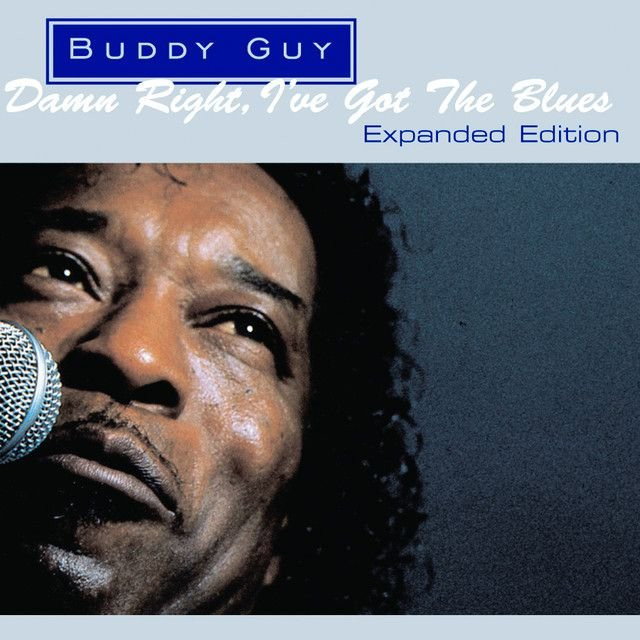
The song was written by Eddie Boyd, who first recorded it in 1952. That original version became a major blues statement, reaching No. 1 on the Billboard R&B chart and later entering the Blues Hall of Fame. Buddy Guy later recorded his own versions, including one on Damn Right, I've Got the Blues, helping carry the song to new listeners.
In plain terms, the narrator says they gave years of work and pay to one relationship, only to be thrown out. When they repeat five long years
, the line is not just counting time. It turns time itself into evidence. Those years become proof of devotion, exhaustion, and wasted trust.

Watch the official Five Long Years
music video
A Working Person’s Blues, Not Just a Romance Tale
What makes this song sting is the way job stress and relationship pain are fused together. The speaker is not only heartbroken. They are physically worn down, too.
When the song mentions steel mill
, it places the story inside hard industrial labor. That detail matters. According to reference material summarized by the Wikipedia entry for the song, Eddie Boyd’s original was described as the story of a metal worker who hands over his paycheck each Friday and still gets dumped. That context explains why the song feels so grounded.
The phrase went straight home
deepens the point. The narrator is arguing their case: they worked, stayed faithful, and brought their money back. In blues terms, this is not bragging. It is testimony.
The refrain as a public confession
The repeated cry of been mistreated
widens the song beyond one person. The singer invites anyone who has felt used or cast aside to recognize themselves in the story.
Have you ever been mistreated?
Then you got to know
what I'm talkin' about
That short passage works like a call to the crowd. The pain is personal, but the message is communal. The song becomes less about one failed home and more about shared human disappointment.
How Buddy Guy Makes the Song Feel Raw
Buddy Guy did not write the song, but he is a strong fit for it because his style thrives on exposed emotion. His singing often sounds like it is pushed right to the edge, and that quality suits a narrator who feels both wronged and humiliated.
Musically, the song comes from a classic blues frame: a moderate 12/8 groove and a twelve-bar structure in the key of C in the original Eddie Boyd version. That structure gives the singer room to lean on repetition. In blues, repetition is not laziness; it is pressure. Each return to the same line feels heavier.
Buddy Guy’s guitar approach also sharpens the message. Instead of smoothing the pain out, his phrasing tends to jab, bend, and cry. That makes the complaint feel immediate. The voice says one thing, and the guitar seems to answer, underline, or even reopen the wound.
The Lesson Is Bitter on Purpose
One of the song’s most memorable turns comes near the end, when the narrator claims to have learned a lesson. They say the next partner should have two jobs
and bring money home.
Taken literally, that line can sound harsh or even funny. But in context, it reads as defensive bitterness. The singer is trying to reclaim power after feeling exploited. Instead of offering a balanced moral, the song shows what pain can do to a person’s view of love.
Interpretation: This is less a serious relationship plan than a wounded reaction. The speaker does not sound healed. They sound angry, embarrassed, and determined not to be fooled again.
That emotional twist is part of why the song lasts. It refuses to end with wisdom or peace. It ends with damage still visible.
Why the Song Has Lasted Across Generations
“Five Long Years” has endured because its story is specific but widely recognizable. The details are old-school blues: factory work, weekly pay, a direct complaint. Yet the core feeling is modern. Many listeners still know what it means to give time, money, and effort to someone who does not return the same care.
The song also sits in an important blues tradition. It turns everyday struggle into art without making it fancy. The Blues Foundation called Eddie Boyd’s version a true-to-life blues that connected with working men, and that plainspoken realism remains the key to its power.
Buddy Guy’s version helps preserve that realism. He does not treat the song like a museum piece. He performs it like the hurt is happening now.
Final Take on the Meaning
So what is the meaning of Five Long Years Buddy Guy? It is the sound of someone adding up the cost of love and realizing the math does not work. The song is about heartbreak, but also about class, effort, pride, and the humiliation of being used.
Interpretation: Its deepest message may be that betrayal hurts more when it follows discipline and sacrifice. The singer did not lose a casual romance. They lost faith in the value of all they gave.
That is why the song still lands. It speaks for anyone who has ever worked hard, trusted fully, and ended up outside the door.
Disclaimer: This interpretation separates documented facts from informed reading. As with most blues songs, meaning can shift depending on the performer, recording, and listener.








