Why 'Mr. Soul' Feels Like Fame Turning Inward
The meaning of Mr. Soul Buffalo Springfield starts with a person who no longer feels fully solid. The song does not tell a neat story. Instead, it throws out flashes of vanity, doubt, praise, and confusion, as if the singer is watching their own identity warp in real time.
"Mr. Soul" - Buffalo Springfield
For the thought that I caught that my head is the event of the season
Why in crowds just a trace of my face could seem so pleasin'
Loading lyrics...
Unable to load lyrics
We're unable to display the lyrics at this time. Please try again later.
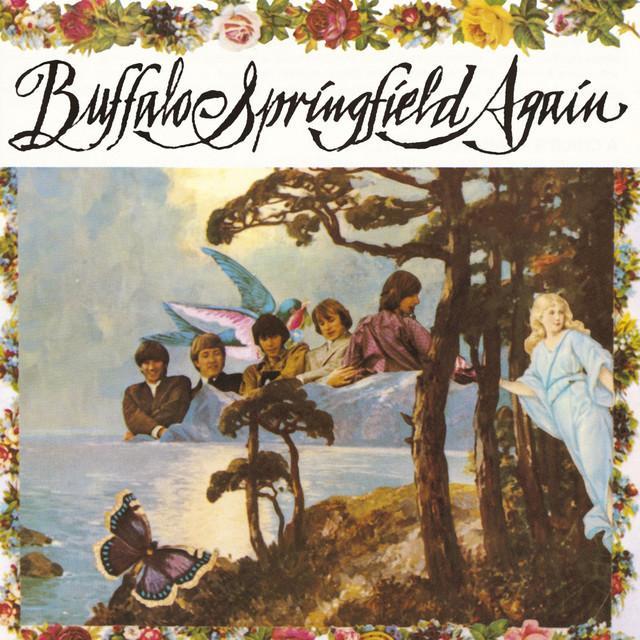
Written by Neil Young and released by Buffalo Springfield in 1967, the track arrived during a fast, unstable rise for the band, a key group in the Los Angeles rock scene of the late 1960s. Factually, Young wrote the song, and Buffalo Springfield recorded it during the era of Buffalo Springfield Again, according to standard band histories and discographies such as AllMusic and Neil Young Archives.
The Core Idea Beneath the Swagger
At its heart, the song sounds like a confrontation with public identity. The singer drops in to meet Mr. Soul
, but this figure does not feel like a separate character for long. It feels more like a nickname for the self, or for the mask a musician wears once people start watching.
Early on, the narrator suggests their head is the event
. Paraphrased, that means their thoughts and image have become a spectacle. They are no longer just living; they are being observed.
Interpretation: This makes the song less about confidence than about self-alienation. The speaker sees their own face reflected back by crowds and fans, then starts to wonder whether that reflection is more powerful than the real person underneath.
Watch the official Mr. Soul
music video
Fame, Flattery, and the Loss of Balance
One of the song's smartest moves is how it treats praise as unsettling rather than comforting. The narrator is not simply attacked by the public; they are also built up by it. A fan writes to say the singer affected her, and that attention seems to matter deeply.
But instead of grounding them, praise makes them less stable. The song hints that applause can be as disruptive as criticism. When they mention being raised by the praise
, the phrase suggests emotional dependence. Their self-worth starts floating on whatever strangers think.
That is why the lyrics keep circling faces, crowds, and reactions. Even romance gets blurred into projection. The line about someone saying don't change
sounds supportive on the surface, yet it also traps the singer inside an image others prefer.
A Chorus Built on Self-Doubt
The repeated hook gives the song its emotional center: Is it strange I should change?
That question matters because it is simple, but impossible to answer cleanly.
People naturally change. Artists especially change under pressure, success, and scrutiny. Yet the song treats change as both necessary and suspicious. The follow-up, asking someone else for the answer, shows how little confidence the narrator has in their own judgment.
Interpretation: The chorus is not really asking permission to grow. It is showing what happens when someone loses the authority to define themselves. They become dependent on outside voices—fans, lovers, crowds, maybe even the press.
The Images of Performance and Collapse
Later, the song gets darker. The smile may turn to plaster, and the performer becomes a clown doing a disastrous trick. Those images suggest emotional freeze and public collapse.
Here, the song moves from nervousness to dread. A smile made of plaster is not alive. A clown is entertaining, but also exposed and ridiculous. Together, those images imply a person stuck performing while feeling numb.
Stick around while the clown
does the trick of disaster
That short passage captures the song's deepest fear: the crowd may not notice the difference between charisma and breakdown. In fact, the spectacle may become more compelling when the person at the center is falling apart.
How the Sound Sharpens the Meaning
Musically, "Mr. Soul" is lean, sharp, and restless. Buffalo Springfield plays it like a tense garage-rock pulse rather than a soft confession. The guitar riff gives the song a hard edge, and Young's vocal delivery sounds detached but wired, as if he is narrating from inside a mild panic.
Critics and historians have often noted the song's kinship with the tougher, riff-driven side of 1960s rock, and the arrangement is part of why the lyrics land so hard. There is no warm cushion around the words. The sound keeps pushing forward, mirroring a mind that cannot settle.
Interpretation: That production choice matters. A prettier arrangement might have made the song sound reflective. This one makes it sound trapped in motion.
Two Strong Ways to Read "Mr. Soul"
There is more than one credible interpretation of the meaning of Mr. Soul Buffalo Springfield:
- A song about fame and image. The references to crowds, faces, fans, and public reaction support this reading.
- A song about a divided self. The title figure can be heard as an inner double, someone the singer addresses when they no longer feel whole.
These readings work together. Fame in the song is not just career success. It is a machine that splits the self into performer and observer.
Why the Song Still Connects
What keeps "Mr. Soul" fresh is how modern its anxiety feels. Long before social media, it understood the pressure of turning a person into an image. It also understood how quickly praise can become distortion.
For listeners today, the song still resonates because it captures a familiar fear: what if the version other people see starts replacing the one they truly are?
Final Take
The meaning of Mr. Soul Buffalo Springfield lies in its portrait of identity under surveillance. Neil Young's writing turns fame, self-consciousness, and emotional drift into one tight, uneasy rock song.
This article offers interpretation based on the lyrics, recording context, and widely discussed themes; like most great songs, "Mr. Soul" can support more than one meaning.








