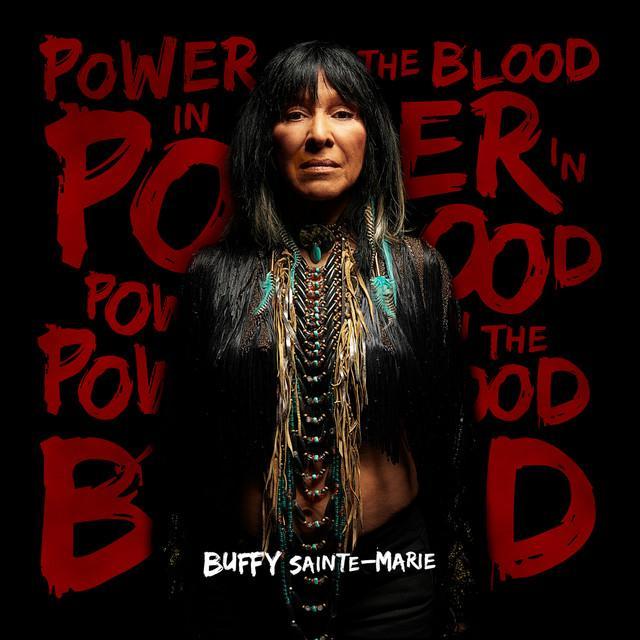
The Uranium War by Buffy Sainte-Marie
A protest song with names, memory, and danger
The meaning of The Uranium War Buffy Sainte-Marie starts with a simple fact: this is not a vague protest song. It names people, places, and forces. It brings listeners into a lived world of Indigenous community, political pressure, and violence tied to land and extraction.
"The Uranium War" - Buffy Sainte-Marie
Ha, yo ho
There was a Cree and a Sioux and a Navajo
Loading lyrics...
Unable to load lyrics
We're unable to display the lyrics at this time. Please try again later.
On Buffy Sainte-Marie's 2015 album Power in the Blood, the song arrives late in the track list, and that placement matters. By then, the album has already built a mood of resistance, survival, and cultural pride. “The Uranium War” sharpens those themes into one story about what happens when corporate hunger meets Native land.
Watch the official The Uranium War
music video
What the song is really about
At its core, the song is about the human cost of resource extraction on Indigenous communities. Sainte-Marie links uranium mining to a wider pattern of exploitation: land is treated as a resource, while Native people are treated as obstacles.
The repeated idea of corporate greed
makes the target clear. So does the chain of materials she lists, moving from coal and oil to uranium
. The song argues that these industries are connected by the same logic: profit first, Indigenous lives second.
Interpretation: The word “war” in the title is not only about weapons or formal battles. It suggests a long campaign against Native land, sovereignty, and safety. In that reading, uranium is both a literal mineral and a symbol of colonial extraction.
The opening scene turns politics into lived experience
One of the song's smartest moves is how it begins. Instead of starting with a slogan, Sainte-Marie opens with a small shared scene: people from several Native nations stranded together, sleeping on the floor, getting by on little, and still holding onto warmth and humor.
That is why phrases like best of friends
matter. They show community before conflict takes over the frame. The song is not only angry; it is also protective. It wants listeners to see what is at stake: kinship, elders, memory, and a relationship to the earth.
When she sings about Mother Earth
and Father Sky, she places the struggle in a spiritual and cultural frame, not just a political one. The land is not empty property. It is relation, responsibility, and inheritance.
How the song connects uranium to violence
The key turn comes when the song moves from campfire-style recollection into accusation. Sainte-Marie says she watched the problem grow. That shift from memory to witness gives the song its force.
She describes a system that keeps Native people under your thumb
. Then the language gets harsher, with threats, stripping, and guns. The point is not subtle: extraction is backed by power, and power often becomes violence.
Here the song broadens beyond one mine or one company. It suggests a structure in which business interests, state force, and old colonial habits work together. The message is that uranium development is never only about energy or jobs; it also carries histories of coercion and control.
Annie Mae Aquash and the song's grief
The most painful section centers on Annie Mae Aquash, the Mi'kmaq activist whose murder remains one of the darkest episodes associated with the American Indian Movement era. Sainte-Marie does not treat her as an abstract symbol. She presents her as a friend of mine
, which changes the emotional temperature immediately.
That line matters because it pulls the song out of commentary and into mourning. The story of running across fields and avoiding bullets turns fear into something immediate and bodily.
Patriot Woman, hunted in the land
What did you say about uranium?
This brief passage ties personal danger to political knowledge. Interpretation: the song implies that knowing too much about power can make a person vulnerable. Whether listeners hear that as literal accusation, poetic compression, or historical echo, the point is the same: truth-telling has consequences.
Why the production matters so much
According to AllMusic, Power in the Blood was released in 2015 and produced by Michael Wojewoda, Chris Birkett, and Jon Levine. Reviewer Thom Jurek described “The Uranium War” as a prequel to “Bury My Heart at Wounded Knee”, and that is a useful frame because both songs connect Indigenous history to present struggle.
Musically, “The Uranium War” does something powerful. It begins almost like a loose parlor narrative, conversational and observant. Then it firms up into a chant-like protest shape. That change mirrors the song's message: private memory becomes public witness.
The vocal delivery is crucial. Sainte-Marie does not sound detached. They hear declamation, urgency, and a near-spoken sharpness in places, as if she is documenting and warning at once. The chorus backing gives the later sections a collective feel, turning one voice into many.
Themes that drive the song forward
Three major themes hold the song together:
- Land as sacred, not disposable
- Extraction as a form of colonial control
- Memory as resistance
The final theme is easy to miss, but it is central. By naming nations, friends, and activists, Sainte-Marie refuses erasure. The song preserves a record. It says these people were here, these bonds were real, and these harms should not be forgotten.
Final reading: what listeners should take from it
The meaning of The Uranium War Buffy Sainte-Marie is both specific and wide. Specifically, it points to uranium, Native activism, and the danger surrounding land struggles. More widely, it is about how Indigenous people endure systems that want their territory more than their lives.
That is why the song still hits hard. It combines fellowship, witness, grief, and warning in under four minutes. It asks listeners to hear environmental damage, political intimidation, and personal loss as parts of the same story.
Interpretation disclaimer: Song meaning is never fully fixed. This reading is based on the lyrics, the album context, and documented background, but individual listeners may hear different emphases within the song.








