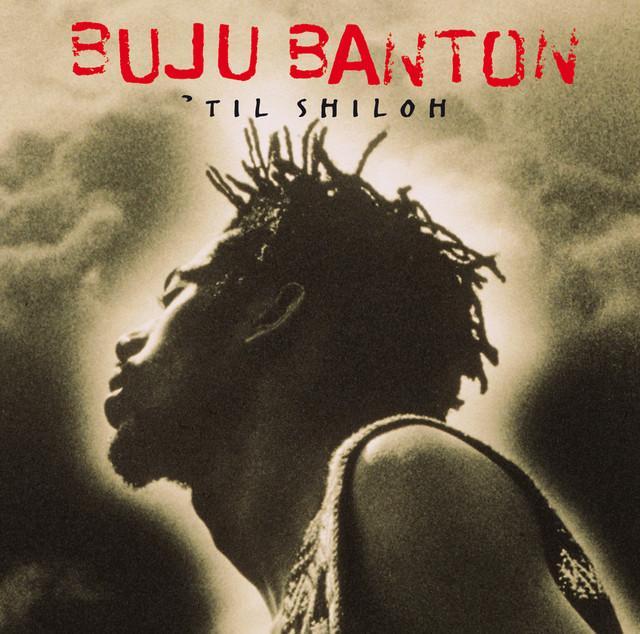
What "Murderer" by Buju Banton Really Means
Buju Banton’s "Murderer" is not subtle, and that is exactly why it still hits. The song turns a reggae track into a public rebuke. Instead of softening its point, it stares violence in the face and asks what it does to the victim, the killer, and the soul left behind.
"Murderer" - Buju Banton
Blood is on your shoulders
Kill I today you cannot kill I tomorrow
Loading lyrics...
Unable to load lyrics
We're unable to display the lyrics at this time. Please try again later.
For listeners searching for the meaning of Murderer Buju Banton, the core idea is clear: the song condemns killing in every form and argues that no excuse—political, military, or personal—can erase guilt. It is a protest song, a spiritual warning, and a moral indictment all at once.
A Song That Speaks Like a Judgment
At the center of the song is accusation. The repeated cry of Murderer
is not just a label; it functions like a verdict. Buju Banton does not describe violence from a distance. They address the killer directly, making the song feel confrontational and personal.
The next image sharpens that attack with Blood is on your shoulders
. That phrase suggests guilt that cannot be washed away. In plain terms, the song says murder leaves a stain that follows the person who commits it.
Interpretation: This is why the chorus feels so heavy. It is not asking listeners to solve a mystery. It is forcing them to sit with moral responsibility.

Watch the official Murderer
music video
The Real Target Is Bigger Than One Person
Even though the song addresses a single "murderer," the verses widen the frame. Buju Banton points not only at individual killers but also at systems that reward violence. One of the sharpest ideas comes when they mention people killing to collect medals and doing dirty work for high officials
.
That shifts the song from a street-level warning to a broader political critique. It suggests that some violence is praised when it serves power. In that reading, "Murderer" is not only about crime in the everyday sense. It is also about war, state violence, and the way institutions hide guilt behind honor, rank, or orders.
This matters because reggae has long carried messages of social justice and resistance. Buju Banton uses that tradition here, turning the song into a challenge against both personal sin and public hypocrisy.
Conscience, Sin, and the Spiritual Message
Another key to the meaning of Murderer Buju Banton is its religious language. The song says a person may hide from other people, but not from conscience. That idea drives the whole lyric. Human beings may avoid earthly punishment, yet inwardly they still know what they have done.
The song also frames murder as disobedience to divine law. References to the serpent, the commandment, judgment, and God as witness place the track inside a biblical moral world. Buju Banton is not just saying murder is sad or destructive. They are saying it is a violation of sacred order.
The phrase you cannot kill I tomorrow
adds another layer. In reggae and Rastafari language, "I" can point to the self, spirit, and life-force. The line suggests that physical violence cannot destroy what is eternal. A body can be harmed, but truth, spirit, and final judgment remain.
Why the Biblical References Matter
In the last section, the song brings in figures from scripture such as Jonah, Job, and the three Hebrew men often named Shadrach, Meshach, and Abednego. These examples are not random. They are survivors, sufferers, and people tested by faith.
Their role in the song is twofold:
- They show that suffering does not mean abandonment.
- They offer a contrast to the murderer, who still has a chance to repent.
Interpretation: Buju Banton seems to suggest that mercy is possible, but only through moral recognition. The song is harsh, yet it is not completely hopeless. It warns before it condemns.
How the Sound Supports the Message
"Murderer" was written by Mark Anthony Myrie and Clement "Coxsone" Dodd, according to the song information provided. Musically, it works because the production does not distract from the message. The reggae rhythm gives the song steady forward motion, while the repeated hook lands like a chant.
That contrast is important. The groove is controlled, but the message is urgent. Instead of sounding chaotic, the song sounds disciplined, which makes the anger feel focused. Buju Banton’s vocal delivery also matters: they do not sound detached. They sound like someone testifying, accusing, and warning at once.
In reggae, repetition often deepens meaning rather than just filling space. Here, every return to the chorus adds pressure. The listener is pushed back to the same moral fact again and again.
How does it feelto take the lifeof another
Those lines are powerful because they frame murder not as an abstract issue but as an intimate act with emotional and spiritual cost.
A Simple Song With a Wide Reach
Part of the song’s power is its plain language. It does not hide behind complicated poetry. Words like your conscience
and won't find a cure
make the message easy to grasp. That simplicity gives the track broad reach, especially for listeners who may not catch every biblical or political reference on first listen.
For U.S. listeners, the song can resonate across many contexts: gun violence, war, police power, revenge, and trauma. Its message travels because it speaks to a universal question: what happens to a society when killing becomes normal, rewarded, or excused?
The Lasting Meaning of "Murderer"
In the end, the meaning of Murderer Buju Banton is not hard to state, but it is hard to shake. The song says killing destroys more than one life. It corrupts the killer, spreads fear through the community, and invites judgment that cannot be escaped by power or status.
That is why the track endures. It is more than a protest against violence. It is a demand for moral clarity.
Disclaimer: This interpretation is based on the lyrics provided, common reggae themes, and the song’s religious and political imagery. As with any song, listeners may hear different meanings in specific lines.







