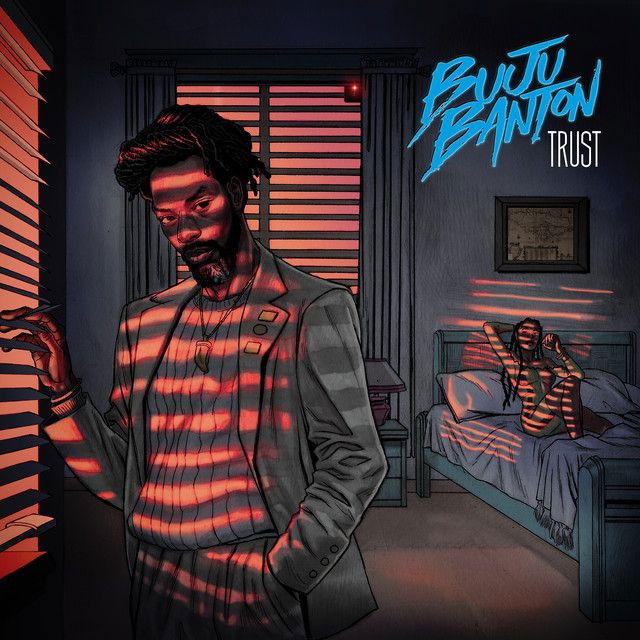
Why Buju Banton's 'Trust' Feels So Paranoid
In Buju Banton's warning-heavy track, the phone is not just a device. It is a symbol of how private life can be stolen, twisted, and sold.
"Trust" - Buju Banton
Provided by LyricFindNew style (new style)
New flow (new flow)
Me ah tell demLoading...Loading lyrics...
Unable to load lyrics
We're unable to display the lyrics at this time. Please try again later.
The Core of the Meaning
The meaning of Trust Buju Banton comes down to one blunt idea: modern communication has made betrayal easier. The song treats phones, screenshots, voice notes, and social media as tools that turn rumor into proof-looking evidence. In that world, even close friends can become informants.
Buju Banton, born Mark Anthony Myrie, has long moved between dancehall toughness and deeper social commentary. He is one of Jamaica's best-known reggae and dancehall artists, with a career stretching from the late 1980s to the present, according to his career overview on Wikipedia (source). That matters here, because "Trust" does not sound like a random complaint. It sounds like a veteran artist turning street wisdom into a digital-age survival guide.

Watch the official Trust
music video
A Hook Built on Fear
The chorus keeps returning to Me nuh trust phone
. Before and after that line, the song makes clear that this is bigger than hating technology. The repeated phrase becomes a statement about exposure itself.
In simple terms, the singer believes anything said, shared, or recorded can come back as a weapon. The fear is not abstract. It includes blurry images, gossip online, and private talk leaking into the wrong hands.
Why repetition matters
The hook is so direct that it feels obsessive. Interpretation: that repetition mirrors a mind stuck in alert mode. Instead of one bad incident, the song suggests a whole climate of danger, where caution becomes a habit.
Betrayal Is the Real Enemy
Just as important as the phone is the idea of fake loyalty. The song warns that so-called friends will sell you out
and calls many of them turncoats. That makes the track less about gadgets and more about character.
Buju frames betrayal as both personal and social. Friends leak secrets. Associates switch sides. People enjoy watching someone else's trouble. The line about group chats spilling information updates an old dancehall theme: badmind and informers are always near, but now they move through apps and digital receipts.
Street caution meets online culture
The verses mix two worlds:
- street-level suspicion,
- celebrity-style image damage,
- and everyday social-media exposure.
That blend is why the song feels current. A rumor no longer stays local. Once it reaches Instagram, it can shape public opinion before facts catch up.
How the Verses Build the Story
The song does not follow a complex plot, but it does move through a clear set of warnings. First, it presents the phone as unsafe. Then it shows how images and online talk can disturb the mind, including the mention of fuzzy photos affecting his peace.
After that, the focus shifts to people who change sides too easily. In one of the song's strongest ideas, untrustworthy people are not only enemies. They are often insiders. Later verses expand the danger: voice notes, leaked messages, hidden recording, and secrets that spread because someone wants attention or protection.
One especially sharp section warns listeners to be careful who they talk to and what they send. The point is not subtle: private communication is only as safe as the least loyal person in the circle.
Sound, Flow, and Production Pressure
"Trust" was released in 2019, with an official video arriving in November of that year; it was produced with Dave Kelly and reached No. 1 on the Billboard Reggae Digital Song Sales chart, according to the available career summary (source). Kelly's name also appears in the songwriting credits alongside Mark Anthony Myrie.
That connection matters. Dave Kelly is tied to classic, hard-hitting dancehall structure, and this track uses that energy well. The rhythm feels tense and stripped for impact, giving Buju room to punch each warning line. There is little softness in the performance. His delivery sounds clipped, irritated, and watchful.
Interpretation: the production supports the theme by refusing comfort. The beat does not invite trust; it invites vigilance.
Why the Timing Matters
The song landed about a year after Buju Banton's 2018 release from prison, during a major comeback that included the Long Walk to Freedom tour, which drew more than 30,000 fans to its first Kingston concert, per the same biographical source (source). That backdrop gives "Trust" extra weight.
Without making claims beyond the text, listeners can reasonably hear lived caution behind the lyrics. References to recording, loose talk, and public fallout feel more intense when coming from an artist who had already lived through heavy public scrutiny.
A broader reading
Interpretation: beyond personal suspicion, the song can also be heard as criticism of a culture that rewards exposure. In that reading, the real villain is not the phone itself but a world where people chase clout by leaking, filming, and reposting other people's vulnerable moments.
The Takeaway Behind the Warning
The meaning of Trust Buju Banton is not that nobody anywhere deserves faith. It is that trust now carries new risks, because technology lets disloyal people act faster and farther than before. Short phrases like voice note
, group chat
, and real turncoat
show how the song updates old fears for the smartphone era.
In the end, "Trust" works because it is both specific and universal. It speaks from a dancehall perspective, but its message is easy for U.S. listeners to recognize too: in a world of screenshots, leaks, and online performance, privacy is fragile.
Disclaimer: This article offers an interpretation of the song based on its lyrics, context, and available factual sources. Meanings can vary from listener to listener.









