Why Burna Boy’s “Wetin Man Go Do” Hits So Hard
The meaning of Wetin Man Go Do Burna Boy comes down to a hard question: how does a person survive when life keeps demanding more? In this song, they frame money not as greed, but as pressure. Food has to be cooked, children have to go to school, and dignity has to be protected. The hook keeps returning to one thought—Wetin man go do
—which in Nigerian Pidgin means something like, “What is a person supposed to do?”
"Wetin Man Go Do" - Burna Boy
Champion
People wey dey Shayo
Loading lyrics...
Unable to load lyrics
We're unable to display the lyrics at this time. Please try again later.
That simple question gives the song its emotional weight. Burna Boy is not just talking about hustle in a flashy way. They are singing about exhaustion, social expectation, and the way money problems can shape every choice a person makes.
The Song’s Core Message Is Survival
At its heart, the song is about responsibility under pressure. The verses move through everyday struggles: people only reach out when fortune changes, the stomach is empty, and any small chance to get money feels urgent. When Burna Boy mentions empty belle
, they reduce the problem to its most basic truth: hunger changes mood, behavior, and hope.
That makes the song feel bigger than one story. It speaks to a cycle many listeners know well. A person works nonstop, tries one scheme, loses, tries another, and keeps moving because standing still is not an option.
Interpretation: The repeated question in the chorus is less a complaint than a moral defense. Burna Boy seems to argue that people do desperate, tiring, or risky things because life leaves them very few choices.

Watch the official Wetin Man Go Do
music video
A Story of Need, Luck, and Social Reality
One reason the song lands so well is that it tells a loose narrative. It starts with changing social attention: people who once ignored them now suddenly call. That detail suggests how success changes relationships. Burna Boy points to a world where value often follows money.
Then the song turns to a failed attempt at quick financial relief. They describe putting money down in hope of a payout, only to see others cash out first. That scene matters because it shows how fragile hope can be. A person can think breakthrough is near, then watch it disappear.
Body don dey tire
Body no be firewood
Those lines are the emotional center of the track. Burna Boy moves from economics to the body itself. They remind listeners that constant struggle is not abstract; it wears people down physically and mentally.
The Chorus Turns Private Stress Into a Public Anthem
The chorus is catchy, but it is not carefree. Every time Burna Boy returns to Wetin man go do
, they widen the song from one person’s troubles to a shared condition. The refrain works because it can fit many situations: job stress, family pressure, unpaid bills, and even wounded pride.
The next lines make that clear. Money is needed so madam to cook Ogbono
and so a child can go to school. These are not luxury goals. They are daily needs. Burna Boy ties survival to family, showing that financial pressure is often relational. A person is not just feeding themselves; they are trying to hold a household together.
For U.S. listeners, that is part of why the song translates so well across cultures. Even if the specific references are Nigerian, the emotional logic is universal: people carry bills, relatives, expectations, and fatigue all at once.
Burna Boy’s Worldview Matters Here
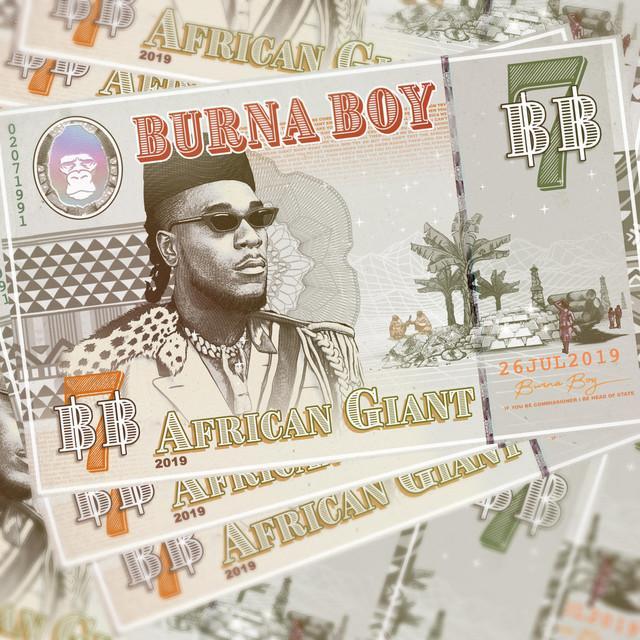
Burna Boy has often positioned their music between street realism, cultural pride, and global ambition, especially around the era of African Giant. “Wetin Man Go Do” fits that broader voice. They do not romanticize poverty, but they also do not speak from a distance.
Factually, the song is credited to Damini Ebunoluwa Ogulu and Kelvin Peters. That grounding matters because the writing feels lived-in. The details are small and specific: an account number, a cooking pot, a school run, the body getting tired. These are the kinds of images that make a social song feel personal instead of preachy.
Interpretation: Burna Boy may also be critiquing the way society judges people without seeing the pressure behind their choices. The song keeps asking listeners to consider the forces around behavior, not just the behavior itself.
How the Sound Carries the Meaning
Production is a big part of the song’s power. The beat has a rolling, repetitive motion that feels like movement without rest. That supports the lyric idea of Waka waka no rest
. The groove is danceable, but there is tension inside it. Rather than sounding triumphant, it sounds like motion driven by necessity.
The vocal approach matters too. Burna Boy’s delivery shifts between sing-song ease and weary insistence. That contrast lets the song do two things at once: it invites people to move, while also making them sit with the strain behind the movement.
This blend is common in Afrobeats and related pop forms, where rhythm can carry heavy subject matter without turning the song into a lecture. As Billboard noted during Burna Boy’s rise, their music often balances crossover appeal with a clear personal and cultural point of view.
A Few Key Themes Connect the Whole Track
Money as pressure, not pleasure
The song talks about money constantly, but mostly as a tool for stability. Food, school, and relief come first.
Respect and social visibility
When people call only after success seems possible, Burna Boy shows how money changes status.
Fatigue and endurance
The body imagery gives the song a human limit. People may keep going, but they are not machines.
Community language, shared pain
The use of Pidgin makes the message feel communal. The question in the hook sounds like something many people could say together.
Final Take on the Meaning
The meaning of Wetin Man Go Do Burna Boy is about what pressure does to ordinary people. Burna Boy turns bills, hunger, family duty, and exhaustion into a song that sounds communal rather than isolated. They ask a question with no easy answer, and that is exactly why the song stays with listeners.
More than a hustler anthem, it is a weary anthem of survival. Interpretation: its deepest message may be that people deserve empathy before judgment.
Disclaimer: This interpretation is based on the lyrics, performance, and available song context. As with any art, listeners may hear different meanings in it.







