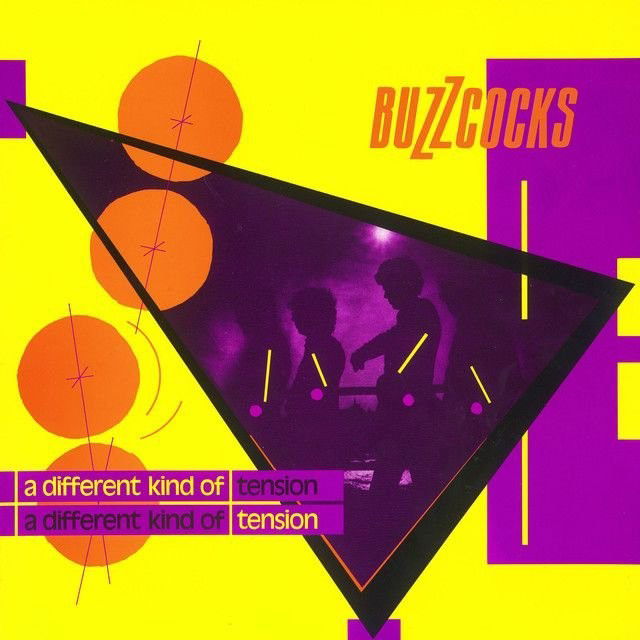
Why Buzzcocks Made Desire Feel Untouchable
Buzzcocks often wrote punk songs that felt fast, catchy, and emotionally sharp. That matters for the meaning of Why Can't I Touch It? Buzzcocks, because this song turns a simple question into something bigger: how can something feel completely real and still stay out of reach?
"Why Can't I Touch It?" - Buzzcocks
I can see it
And it seems so real
Loading lyrics...
Unable to load lyrics
We're unable to display the lyrics at this time. Please try again later.
The band came out of England’s first wave of punk and became known for mixing urgency with pop melody and intimate feeling. Critics have long noted that Buzzcocks brought love, anxiety, and adolescent confusion into punk rather than focusing only on politics. That mix of melody and emotional tension is a key part of their identity.
The Central Puzzle at the Song's Heart
On the page, the lyric is spare. It keeps circling through the senses: sight, touch, taste, and sound. The singer says things seems so real
and I can feel it
, then keeps returning to the same unresolved question: why can't I touch it?
Interpretation: the song is about desire meeting a barrier. The object of desire may be a person, a feeling, an idea, or even a version of the self. Whatever it is, it appears close enough to sense, but not close enough to hold.
That gap is what gives the song its power. Many love songs are about wanting someone. This one is more unsettling. It is about a reality that almost arrives, then slips away right at the moment of contact.
Watch the official Why Can't I Touch It?
music video
How the Lyrics Build Frustration
The words work by repetition, but not lazy repetition. Each verse cycles through the senses again, as if the speaker is testing the world from every angle. They can see, hear, taste, and feel what seems present. Yet the one act that would confirm reality—physical contact—never happens.
That structure creates two effects:
- It makes the obsession feel stronger with every pass.
- It makes certainty feel weaker, not stronger.
By the last section, the lyric shifts from sensing to identity, ending with I can be it
. That is a striking move. The speaker no longer only wants the thing; they seem ready to merge with it.
When Senses Start to Blur
One of the most interesting details is how the order of the senses begins to scramble. Seeing leads to feeling, then taste, then hearing, and later those categories cross over again. This blur suggests overload. The speaker is no longer calmly observing. They are caught in a loop where perception itself is unstable.
Now it is so real
I can see it
And it is so real
I can be it
This brief passage points to the song’s deepest tension. The closer the speaker gets to certainty, the less solid the experience becomes.
More Than Romance, Less Than Explanation
A romantic reading is the easiest one, and it fits. Buzzcocks built much of their classic work around emotional confusion, longing, and the pain of closeness that never fully lands. Their broader style has been described as pairing driving guitars with funny, anguished lyrics about love and adolescence, which helps frame this song in that tradition.
But the song is also open enough to invite other readings.
Possible reading one: unreachable love
Interpretation: the speaker is near someone they desire but cannot fully connect with. The repeated sensory details show attraction. The unanswered question shows emotional or physical distance.
Possible reading two: modern alienation
Interpretation: the song describes life in a mediated world, where images and impressions feel vivid but direct contact is missing. That reading feels surprisingly modern. People can see and hear almost everything, yet still feel detached from what matters.
Possible reading three: identity and self-division
Interpretation: the final move toward I can be it
may suggest the speaker is chasing not a person, but a state of wholeness. They sense the self they want to become, but cannot fully inhabit it.
Why the Sound Matters So Much
The meaning of Why Can't I Touch It? Buzzcocks is not only in the words. It is also in how the band plays them. Buzzcocks were central to British punk, but they stood apart because they fused punk energy with crisp hooks and strong melody. That balance helps explain why this song feels hypnotic rather than merely aggressive.
The groove pushes forward, but the lyric stays stuck. That contrast matters. The instruments move like momentum, while the words move like fixation. The result is tension: the band sounds like escape, but the singer sounds trapped.
The guitars do not just decorate the song. They create a shimmering, circling atmosphere that mirrors the lyric’s repeated attempts to confirm what is real. The rhythm section keeps things grounded, while the vocal delivery carries doubt. Together, they make the question feel physical.
Buzzcocks Context Helps Unlock the Song
Buzzcocks formed in 1976 and became one of punk’s most influential bands, helping shape later pop-punk and power-pop scenes. Pete Shelley, after Howard Devoto’s departure, became the group’s principal singer-songwriter, steering the band toward emotionally direct songs rather than strict social commentary. That history matters because this track fits their signature move: taking raw feeling and giving it speed, clarity, and melody.
That is also why the song has lasted. It has shown up in later pop culture, including television and games, because its central feeling is easy to recognize even when its meaning stays open. Nearly everyone knows what it is like to sense something important just beyond reach.
The Lasting Meaning of the Question
In the end, the song’s title line never gets answered. That is the point. Interpretation: Buzzcocks turn frustration into the message itself. The song is not really asking for an explanation. It is capturing the torment of nearness without possession.
For listeners in the US today, that is a big reason the track still works. It sounds like classic punk, but it feels timeless. It is about attraction, uncertainty, and the strange pain of a reality that seems close enough to sense but impossible to hold.
Disclaimer: This interpretation is based on the released lyrics, the band’s known style, and critical context. Like many great songs, “Why Can't I Touch It?” can support more than one reading.








