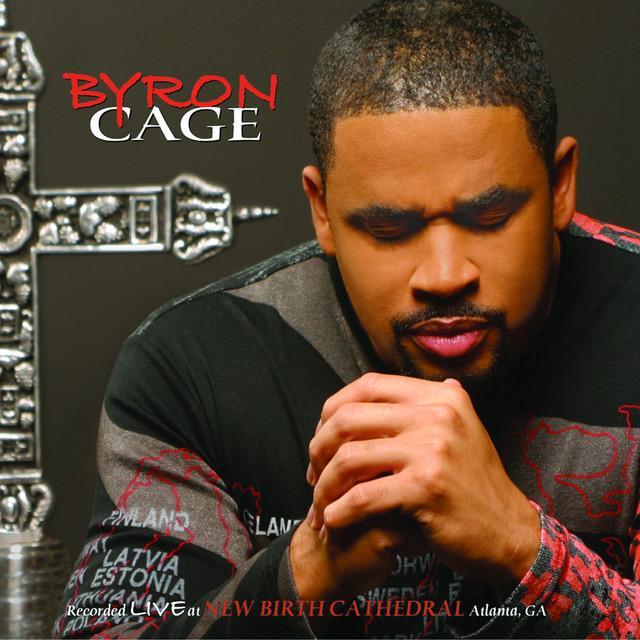
Why Byron Cage’s Gospel Anthem Still Moves Churches
The meaning of The Presence of the Lord Is Here Byron Cage starts with a simple idea: this is not just a song about belief, but about experience. It is built to sound like a room full of people recognizing God’s nearness together. Rather than telling a long story, the song creates a worship moment in real time.
"The Presence of the Lord Is Here" - Byron Cage
The presence of the Lord is here
I feel it in the atmosphere
Loading lyrics...
Unable to load lyrics
We're unable to display the lyrics at this time. Please try again later.
Written by Kurt Carr and popularized by Byron Cage, the track sits firmly in modern gospel praise tradition. Carr is widely known as a gospel songwriter and choir leader, while Cage became one of the most recognizable praise-and-worship voices in contemporary gospel. Those facts help explain why the song feels both carefully crafted and deeply spontaneous.
More Than a Chorus, It Is a Shared Testimony
At its core, the song declares that God is present, active, and able to change lives. The repeated lines about presence, Spirit, and power all build the same message from slightly different angles. One phrase says The presence of the Lord is here
; another shifts to Spirit and then to power. That progression matters.
Instead of treating God’s presence as only a private feeling, the song presents it as something shared by the whole congregation. They hear the leader ask the room to respond, clap, shout, and praise. That call-and-response style makes the song feel less like a performance and more like a collective witness.
Interpretation: the song’s main claim is that worship can move people from awareness to expectation. First they sense God is near. Then they believe something may happen because of that nearness.
Watch the official The Presence of the Lord Is Here
music video
How the Lyrics Build From Feeling to Faith
A large part of the song’s message comes from repetition. The line I feel it in the atmosphere
does not add plot, but it adds intensity. It suggests that the experience is so strong it fills the room around them.
Later, the song shifts from observation to expectation. The key turn comes with I’m gonna get my blessing right now
. That line changes the song from celebration into active faith. Now the singer is not only noticing God’s presence; they are expecting help, breakthrough, or comfort in the moment.
This movement continues in the later section that speaks of healing, victory, and trust. The song argues that divine presence is not empty emotion. It is connected to change, whether spiritual, emotional, or practical.
I can feel the presence of the Lord
And I’m gonna get my blessing right now
That two-line refrain captures the song’s whole arc: feel, trust, receive.
The Church Language Behind the Imagery
Several images in the song come straight from Pentecostal and wider Black church worship language. When it mentions blow the trumpet
and sounding an alarm, it echoes biblical images of sacred announcement, gathering, and urgency. The point is not fear. The point is to wake people up to what God is doing.
The reference to the Lord being in the temple also matters. It frames the worship space as holy ground. In plain terms, the room becomes more than a building. It becomes a place where praise, reverence, and expectation meet.
Interpretation: these images help explain why the song feels triumphant rather than reflective. It is trying to stir the congregation into visible response.
Byron Cage’s Delivery Is Part of the Meaning
Byron Cage does not sing this song in a quiet, inward style. He leads it like a worship service in motion. His phrasing, vocal pushes, and spoken interjections make the message feel immediate. Even the unscripted-sounding calls for praise help sell the idea that something is happening right now.
That matters for the meaning of The Presence of the Lord Is Here Byron Cage because gospel often carries meaning through performance as much as through words. A lyric on paper may look simple. In a live-feeling arrangement, that same lyric can become powerful.
Why the Production Feels So Big
Musically, the song uses classic gospel tools: strong drums, bright keyboards, a driving groove, and room for choir or congregation responses. The repeated vamp section is especially important. In gospel, a vamp lets one idea stay in place while emotion rises around it.
Here, the music keeps cycling so the worshippers can enter the message instead of just hearing it once. The band does not chase complexity. It supports momentum. Each return to the hook feels stronger, which mirrors the song’s theology: praise increases as faith increases.
A Song About Presence, but Also About Need
One reason the song lasts is that it speaks to more than joy. It also speaks to need. When the lyric points toward healing, victory, and blessing, it makes room for people carrying burdens. The invitation to cast cares on God adds tenderness beneath the celebration.
So while the song sounds triumphant, it is also pastoral. It tells hurting people that God is not distant. In that sense, the song is both a praise anthem and a message of reassurance.
Why It Still Connects
The song remains effective because it is clear, participatory, and emotionally direct. They do not need to decode a complicated metaphor to understand it. The core message is immediate: God is here, so respond with praise and trust.
That simplicity is its strength. For many listeners, the song captures a familiar church experience where music, faith, and community meet in one rising moment.
Final takeaway
The meaning of The Presence of the Lord Is Here Byron Cage is about more than sensing a sacred mood. It is about turning that feeling into praise, confidence, and hope for change. Through repetition, gospel energy, and Byron Cage’s worship-leading style, the song becomes a declaration that divine presence is not only believed, but felt.
Disclaimer: This interpretation is based on the lyrics, performance style, and gospel worship context. Spiritual meaning can differ from listener to listener.








