Why 'Trouble' Finds Us: Cage the Elephant's Reckoning
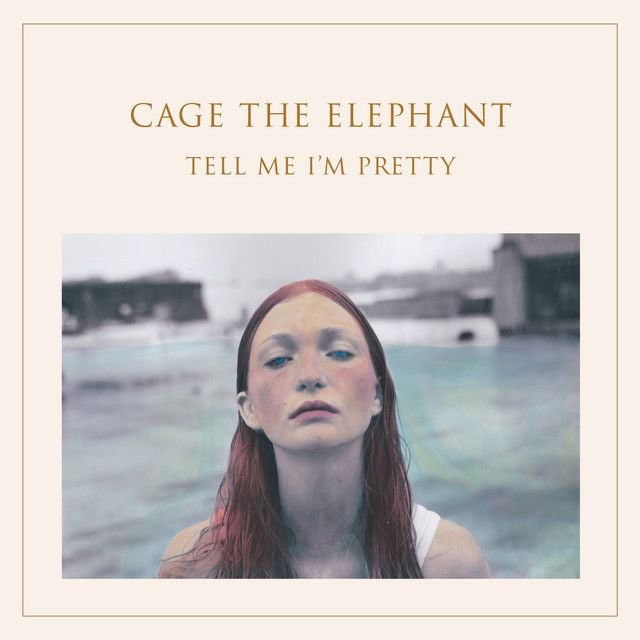
Cage the Elephant’s “Trouble” is a quiet gut punch. For listeners searching for the meaning of Trouble Cage the Elephant, this track reads like a confession about truth, guilt, and the pressure to live up to love. Released as a single in 2016 from Tell Me I’m Pretty and produced/co-written by Dan Auerbach, it swaps the band’s usual snarl for a calm, aching glow.
"Trouble" - Cage the Elephant
Ooh, ooh, ooh
Ooh, ooh, ooh
Loading lyrics...
Unable to load lyrics
We're unable to display the lyrics at this time. Please try again later.
Honesty Under a Harsh Light
The opening verse sets a clean scene—a table by a bright window—but the light makes shadows. The narrator admits they may have talked around the truth. This is the song’s core: not lying outright, but curating oneself. The plea God, don't let me lose my mind
frames honesty as a test of character as much as a test of love.
Cage the Elephant’s frontman has described the song as centering on honesty, adversity, and struggle. That frame fits the lyric arc: every admission comes with a cost, and each cost raises the stakes of being genuine.
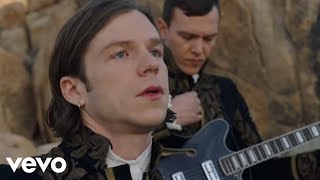
Watch the official Trouble
music video
Who’s Speaking—and Who’s Being Asked to Save Them
The voice is first-person, and it keeps addressing a “you” who shows up everywhere. When the chorus begs, My sweet love, won't you pull me through?
, it could be a partner, an ideal of love, or even a higher power. The relationships blur because the problem is both inside and outside the narrator.
Interpretation: They’re not just asking one person for help—they’re asking love itself to hold them steady while they try to be truthful.
The Scene and the Stakes
- A calm conversation turns thorny: they spoke a lot, unsure how much was true.
- The weight lands with
Got so much to lose
—reputation, relationship, self-respect. - A moral worry creeps in: the “wicked” don’t sleep; guilt keeps eyes open.
- The chorus circles back, each time a little more desperate.
The recurring image of being boxed in—Trouble on my left, trouble on my right
—makes anxiety physical. It’s not just a feeling; it’s geography.
The Hook’s Double Edge
The hook is built on repetition and contrast. On one side: the lifelong drag of problems—almost all my life
. On the other: the lifeline, a direct appeal for help. That split keeps the song alive; the more the narrator admits fear, the more they reach out.
Interpretation: The refrain isn’t self-pity. It’s accountability. Trouble is admitted rather than blamed away, which is why the chorus hits like a weary truth instead of a complaint.
Symbols and Motifs That Do the Heavy Lifting
- Sun and shadows: clarity can be uncomfortable. Light reveals what talk tries to hide.
- Test vs. rest: the line about the “wicked” never resting links moral failure with sleeplessness.
- Offering the heart “any place, any time”: unconditional love clashes with conditional honesty.
- The sting in
I didn't do it for you
: love declared “for life” turns out to be for an idea, not a person. That gulf between ideal and reality is where many relationships fracture.
Interpretation: The song suggests that good intentions—doing it “for life”—can still be selfish if they ignore the other person’s needs.
How the Sound Carries the Confession
“Trouble” moves at a steady, mid-tempo pace with acoustic strums, brushed or lightly tapped drums, and airy “oohs” that float like heat over desert road. Auerbach’s production leans dream-folk and psychedelic pop, letting reverb and gentle guitar textures soften the edges. Matt Shultz keeps his vocal hushed and measured; the restraint feels like someone trying not to say too much—and then saying it anyway.
That sonic minimalism matters. Without big dynamic spikes, tiny details—an intake of breath, a slight rasp—become drama. The mix leaves space for the plea and the doubt to ring out.
The Video’s Western Duel—and Why It Fits
The official video stages a dusty Western showdown in Joshua Tree, with Shultz behind the camera. The duel is a mirror: pride, fear, and the need to be right push characters (and the narrator) into standoffs that solve nothing. In the end, the haze of delusion matches the song’s feeling of being trapped in your own story.
Interpretation: The gunslinger motif turns inner conflict into an outer myth. The enemy isn’t a rival—it’s the narrator’s selective honesty.
Alternate Readings to Sit With
- Relationship reckoning: A partner asks for truth; the singer can’t quite deliver. The line about not doing it “for you” is the reveal.
- Personal moral struggle: “Love” is a stand-in for purpose or faith, and the chorus asks that ideal to carry them through a crisis of integrity.
Both readings work because the language keeps love wide and the guilt vivid.
Final Takeaway
If you strip “Trouble” down to its bones, the meaning of Trouble Cage the Elephant is clear: it’s about facing the mess you made and asking love to outlast it. The song becomes a map of conscience—small melody, big weight, and just enough hope to keep walking.
Disclaimer: Song meanings are subjective; this analysis blends reported context with interpretation.
Sources
- https://en.wikipedia.org/wiki/Trouble_(Cage_the_Elephant_song)
- https://www.riaa.com/gold-platinum/?tab_active=default-award&ar=Cage+the+Elephant&ti=Trouble#search_section
- https://www.billboard.com/pro/cage-the-elephant-trouble-alternative-songs-number-one/
- https://www.rollingstone.com/music/music-album-reviews/review-cage-the-elephants-tell-me-im-pretty-198724/
- https://pitchfork.com/news/65124-watch-cage-the-elephants-video-for-trouble-directed-by-matt-shultz/
- https://consequence.net/2016/04/cage-the-elephant-share-video-for-trouble-directed-by-matt-shultz/
- https://www.songfacts.com/facts/cage-the-elephant/trouble







