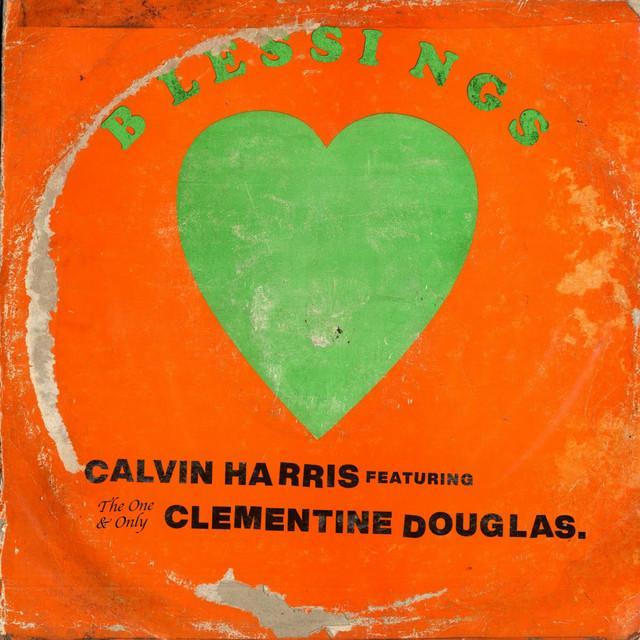
Blessings by Calvin Harris, Clementine Douglas
A beach-bright beat. A firm goodbye. Blessings turns a summer dance track into a clear statement of self-worth, pairing radiant piano and synths with a gracious exit.
"Blessings" - Calvin Harris, Clementine Douglas
Maybe it's the only way to cut through
I won't lose myself for anybody
Loading lyrics...
Unable to load lyrics
We're unable to display the lyrics at this time. Please try again later.
A Sunlit Goodbye with Teeth — The Core Message
The meaning of Blessings Calvin Harris, Clementine Douglas centers on leaving a draining relationship with grace and conviction. The narrator offers goodwill—I only wish you blessings
—but refuses to stay in a dynamic that harms their sense of self.
They also make the boundary plain with I won't lose myself
and I'm not sorry
. The song threads kindness and firmness together: compassion without reconciliation. That blend is why it hits both the heart and the dance floor.
The Letter, the Line, and the Boundary
The opening frames it as a letter, a final message meant to “cut through.” It’s not vindictive; it’s clarity. The voice trusts inner guidance—intuition talks
—and honors it. The addressee is an ex who didn’t protect or respect the love on offer.
In this telling, “blessings” is not a soft word. It’s a line in the sand: wishing you well over there while I heal over here. The result is a mature breakup stance that sounds warm but stands firm.
From Realization to Release — The Mini‑Plot
Here’s the arc in a few beats that tie to key phrases:
-
The letter: a final attempt to speak plainly and close the loop.
-
The recognition of a pattern:
'Cause you build me up to break me down
Never respect the love you found
-
The reclaiming of self: the narrator won’t minimize their needs or dim their voice.
-
The release:
got no more tears to cry
signals a dry well of patience, andno looking back this time
becomes the exit ramp. Closure doesn’t come from revenge—it comes from resolve.
How the Production Sells the Breakup
Blessings moves at 130 BPM in B minor, with bright piano chords, buoyant bass, and 90s-house-leaning synth stabs. The arrangement keeps the mood “up,” even as the lyrics process hurt. That tension—euphoria over bittersweet lines—turns pain into propulsion.
This single also marks a return to Calvin Harris’s feel-good dance lane after a country-tinged detour on a prior release. It’s the first collaboration between Harris and Clementine Douglas, and they share both songwriting and production. Critics highlighted its summer energy and the way the track balances lightness with urgency, helped by Douglas’s soulful topline.
Commercially, the song connected: it reached the top 3 in the UK and top 3 on the Hot Dance/Electronic Songs chart in the U.S., echoing its festival-ready sheen and radio strength.
Other Ways to Hear It — And Why It Resonates
Interpretation: The “you” could be a romantic partner, but the message scales to any draining bond—work, friends, even old versions of ourselves. Saying I won't lose myself
is universal. And choosing to offer “blessings” reframes the split as a boundary, not a battle.
Context: Some listeners noted the track’s 90s-dance DNA and discussed similarities to era touchstones. A brief public dispute over melodic likenesses made headlines, but regardless of that backstory, the emotional core of Blessings stands on its own: listen to your gut, leave with grace, and don’t turn around.
Why the Hook Sticks After the Beat Fades
Repetition turns resolve into ritual. The refrain cements the decision and converts it into a mantra you can move to. On a crowded floor, that vow becomes communal: a hundred strangers choosing forward motion together.
Takeaway for Your Playlist
If you’re looking for a breakup song that doesn’t wallow, Blessings is a bright, boundary-keeping sendoff. The meaning of Blessings Calvin Harris, Clementine Douglas is simple and strong: honor your intuition, offer kindness, and keep walking. The smile is real, and so is the line.
Disclaimer: Interpretation reflects one informed reading of the lyrics, production, and public context; listeners may reasonably hear it differently.








