Why 'Drinking From the Bottle' Feels Empty
The meaning of Drinking From The Bottle Calvin Harris, Tinie Tempah starts with a simple image: a huge night out with no limits. But under the neon energy, the song says something more interesting. It turns partying into a kind of escape plan.
"Drinking From The Bottle" - Calvin Harris, Tinie Tempah
So everything is on me
Got them girls going Cindy Lauper
Loading lyrics...
Unable to load lyrics
We're unable to display the lyrics at this time. Please try again later.
Calvin Harris and Tinie Tempah do not present the club as a place of connection or reflection. They present it as a place to drown out pressure, boredom, and tomorrow itself. That is why the song works both as a peak-time anthem and as a snapshot of early-2010s excess.
The Real Message Hiding in the Hook
On the surface, the chorus is direct. The repeated phrase drinking from the bottle
pushes the idea of excess so far that even glasses become pointless. That detail matters because the song is not about savoring anything. It is about speed, impulse, and living like restraint is a problem.
Interpretation: the hook turns drinking into a symbol for a larger attitude. They are not just ordering alcohol; they are rejecting pause, manners, and consequences. When the song says to forget tomorrow, it frames the whole night as a temporary escape from ordinary life.
That reading fits another key line, bitter pill to swallow
. The song briefly admits that real life can feel harsh. In that moment, the partying stops sounding carefree and starts sounding defensive.
Watch the official Drinking From The Bottle
music video
A Club Narrative Built on Status and Distraction
The verses move fast, throwing out brands, celebrities, and party commands. That style is important to the song’s meaning. Instead of telling a deep story, it builds a world where image is everything and thought is the enemy.
They brag about buying drinks for everyone, hunting for the next top model
, and making sure the bottles keep coming. These details create a nightlife fantasy driven by money, beauty, and attention. The club becomes a stage where status gets performed in real time.
What the Song’s Timeline Looks Like
- They enter a high-end party space.
- They signal wealth through buying drinks and controlling the vibe.
- They chase glamour, attraction, and instant pleasure.
- They admit life is difficult.
- They answer that stress by choosing total excess for one night.
That structure gives the song more shape than it first appears to have. The bragging is not random. It builds toward a worldview: life is short, so they want intensity now.
Why the Party Mood Also Sounds Like Avoidance
One of the smartest things about the song is that it almost accidentally exposes the weakness inside its own fantasy. The line forget about tomorrow
is supposed to feel liberating. But it also reveals fear.
If tomorrow did not matter, they would not need to say it so often. The repetition makes the song sound like self-persuasion. They are trying to keep the mood alive because they know it cannot last.
Interpretation: this is why the track can feel exciting and slightly hollow at the same time. It celebrates freedom, but only within a narrow frame of consumption, attraction, and intoxication. Nothing here is built to survive daylight.
How Calvin Harris’s Production Sells the Feeling
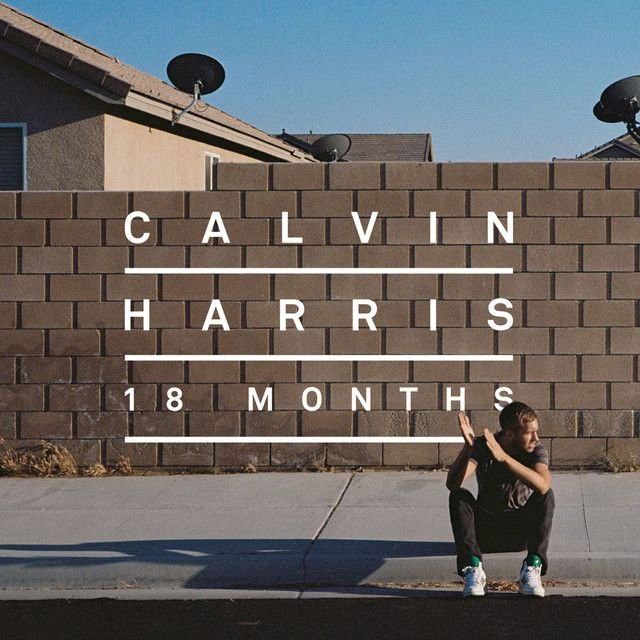
Released as a single from 18 Months on January 27, 2013, the track was credited to Calvin Harris and Tinie Tempah, with writing by Adam Wiles, Patrick Okogwu, James F. Reynolds, and Mark Knight, and production by Harris, Reynolds, and Knight (Wikipedia). That team matters because the record is designed for maximum release.
The production is huge, sharp, and mechanical in the best pop-dance way. The beat pushes forward without much warmth, which matches the song’s emotional world. It is less about intimacy than impact.
The synths flash like club lights, and the drop feels engineered for a crowd to lose itself at once. That makes the song’s message stronger: the sound does what the lyrics describe. It erases hesitation.
Tinie Tempah’s Role in the Meaning
Tinie Tempah gives the record its swagger and social texture. His performance is not introspective. It is fast, flashy, and packed with references, which helps paint the party as a place where identity comes from spectacle.
When he delivers a line like this—
We live
We die
We give
We try
—the song briefly reaches for something bigger than the club. It compresses life into a few universal actions, then rushes back to having a good time. That contrast is revealing. The track touches a real truth about human struggle, then chooses distraction over reflection.
The Song’s Place in Calvin Harris’s Pop Era
This track arrived during the blockbuster 18 Months era, when Harris was turning festival EDM and radio pop into a dominant sound. According to Wikipedia, the single reached No. 5 on the UK Singles Chart and No. 1 on the UK Dance Chart, showing how well this formula connected.
Critic Robert Copsey at Digital Spy described it as ticking the boxes for an easy chart hit, noting its flashy references and rave-ready breakdown (Wikipedia summary citing Digital Spy). That response fits the song well: it knows exactly what kind of thrill it is selling.
The explicit video, also noted in release coverage, pushes the same themes even further with images of vice and spectacle. That does not deepen the song so much as confirm its world: temptation, speed, and no brakes.
What the Song Finally Says
The meaning of Drinking From The Bottle Calvin Harris, Tinie Tempah is not just that partying is fun. It is that partying can become a strategy for not dealing with anything beyond the present moment.
That is why the song still stands out. It captures the rush of a big night, but it also captures the emptiness that can sit behind it. The bottle is not only a party prop. It is the song’s clearest symbol of living hard because slowing down might feel worse.
Disclaimer: This interpretation is based on the lyrics, production, and public release context, and other listeners may hear the song differently.