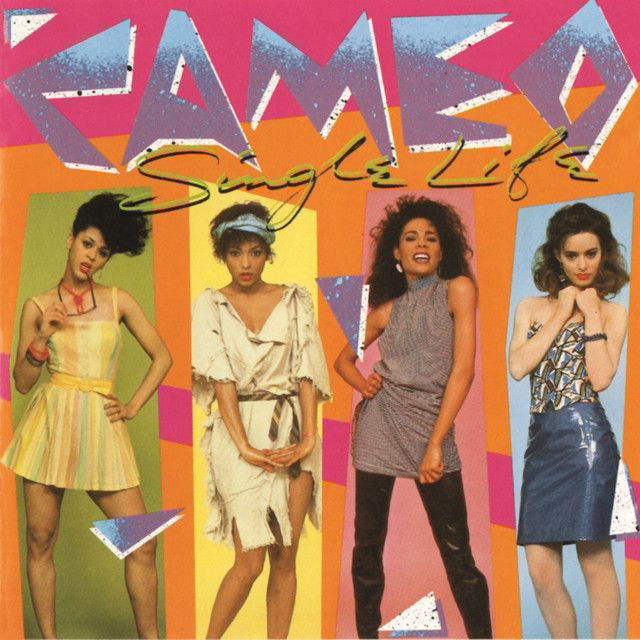
Why Cameo’s ‘She’s Strange’ Still Feels So Bold
The quick answer behind the hook
The meaning of She's Strange Cameo centers on fascination. The song presents a woman who feels unusual, stylish, hard to define, and impossible to ignore. Instead of treating that difference as a problem, the singer celebrates it. The repeated idea is simple: she stands apart, and that is exactly why they are drawn to her.
"She's Strange" - Cameo
Ow
Fine lady
Loading lyrics...
Unable to load lyrics
We're unable to display the lyrics at this time. Please try again later.
That makes the song less a love story in a traditional sense and more a portrait of attraction to originality. Cameo turns “strange” into praise. In their world, mystery is part of charisma.
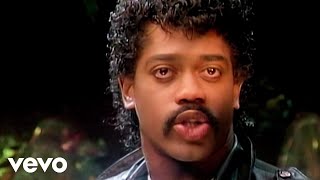
Watch the official She's Strange
music video
Where the song sits in Cameo’s story
Cameo had already built a strong funk and R&B identity before “She’s Strange” became one of their best-known hits. The song appeared on the 1984 album She’s Strange, released during the group’s peak commercial era under leader Larry Blackmon. It reached the pop and R&B charts and helped define the band’s slick, eccentric 1980s style.
Factually, the song is credited to Larry Blackmon, Nathan Leftenant, Charles Singleton, and Tomi Jenkins, and it is tied to the album of the same name. Those basics matter because the track sounds like a band fully aware of its brand: theatrical, rhythmic, funny, and cool at once.
A narrator overwhelmed by someone different
From the opening lines, the singer does not describe a stable romance. They describe being captivated. They notice how she moves, how she speaks, and how she changes the room around her. When the narrator says they like the way she walks and talks, the point is not deep biography. It is immediate impact.
The verses build that reaction through exaggeration. She is not just attractive; she feels larger than life. One key phrase, light blue aura
, suggests that even her presence seems visible. That image gives the song a dreamy, almost comic-book quality. She is not realistic in a plain sense. She is mythic.
Interpretation: This is why the song works. The woman may be a real person, but the lyrics treat her like an event. They are less interested in who she is privately than in how powerfully she affects others.
How the chorus flips “strange” into admiration
The chorus is the song’s main argument. When Cameo repeats She’s strange
and follows it with and I like it
, they turn a word that can sound negative into a compliment.
That reversal is important. In many pop songs, the desired person is praised for fitting an ideal. Here, the desired person is praised for refusing one. The line about her always doing something new pushes that further. She stays exciting because she cannot be pinned down.
She’s strange
and I like it
just the way she is
Paraphrased, the chorus says her difference does not need fixing. It is the source of her magnetism.
The strange images are the point
One of the most memorable things about the song is its odd language. The lyrics compare her to famous people, odd scenes, and unlikely objects. She is linked to glamour, crime legend, rock-star cool, and political fame all in a few lines. Then the song gets even weirder with images like Twilight Zone
and a room scene that feels theatrical.
These comparisons are not meant to form one neat narrative. They create a collage. Each image adds to the same effect: she is unpredictable, stylish, and impossible to summarize.
That includes lines that are funny on purpose. Cameo often mixed seduction with humor, and “She’s Strange” fits that method perfectly. The playful absurdity keeps the song from becoming too serious. It is infatuation with a wink.
Sound first: funk as a form of attraction
The production carries the meaning as much as the words do. “She’s Strange” rides on a tight funk groove, bright synth textures, crisp drum-machine energy, and elastic bass. Everything feels spring-loaded.
That matters because the song is about being pulled toward someone unusual. The beat mirrors that pull. It is danceable, but also slightly off-center in the best way. The arrangement leaves room for chants, vocal interjections, and rhythmic bursts, which makes the track feel animated and alive.
Larry Blackmon’s vocal style helps too. They do not sing the woman as soft romance. They perform fascination through half-spoken lines, yelps, and attitude. The delivery makes the narrator sound stunned, amused, and thrilled all at once.
What the song may be saying underneath the fun
At surface level, this is a party record. But underneath that, the meaning of She's Strange Cameo touches on a broader theme: individuality has erotic power. The woman in the song attracts attention because she breaks patterns.
Interpretation: The track can be heard as an ode to self-invention. Her style, movement, and confidence make her feel self-authored. Even when the narrator struggles to describe her, that struggle becomes the message. She exceeds ordinary language.
A second reading is also possible. The song may show how desire turns a person into legend. The singer piles image upon image because infatuation often exaggerates. In that sense, “strange” reflects not only who she is, but how dazzled they feel while looking at her.
Why it lasted
“She’s Strange” endures because it captures a familiar feeling with uncommon flair: meeting someone who seems to live by their own rules. Many songs praise beauty. Fewer praise oddness so openly.
Cameo also understood that style is meaning. The lyrics alone are playful, but the groove gives those words force. By the end, listeners do not just hear that she is different. They feel why difference can be exciting.
Final take on Cameo’s message
The best way to understand the song is this: it celebrates a woman whose mystery, confidence, and originality create instant fascination. “Strange” is not used as an insult. It is used as a badge of allure.
That is why the song still sounds fresh. It turns the unusual into the desirable, and it does so with humor, swagger, and a great funk pulse.
Disclaimer: This article offers an interpretation of the song based on its lyrics, performance, and historical context. Different listeners may hear its meaning differently.







