Why “First Man” Hits So Hard
The meaning of First Man Camila Cabello comes down to one powerful idea: romantic love may be new, but a father’s love came first. In this piano-led ballad, they frame growing up not as a clean break from family, but as a tender handoff. A daughter is building a future with someone else while making sure her dad knows he still matters.
"First Man" - Camila Cabello
I'll see you in the mornin'
No of course, he won't drink and drive
Loading lyrics...
Unable to load lyrics
We're unable to display the lyrics at this time. Please try again later.
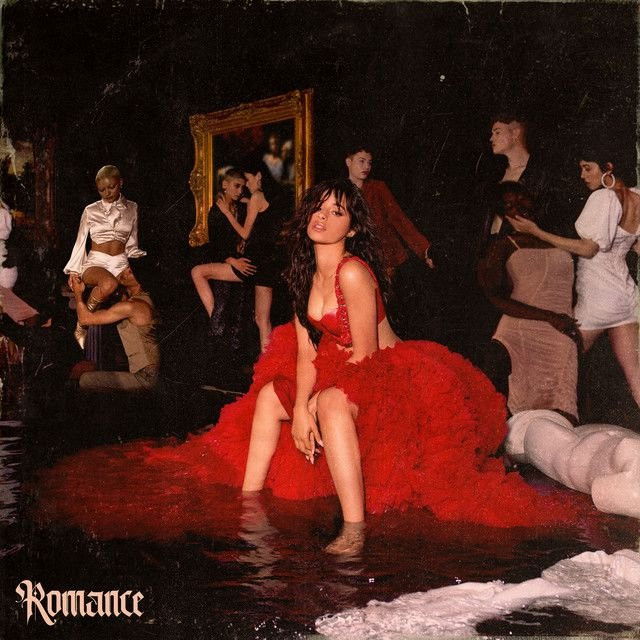
Released on Romance in 2019 and later pushed as a single in 2020, “First Man” stands out in Cabello’s catalog because it is less about drama and more about gratitude. According to Songfacts, Cabello described it as one of her proudest songs because she wanted to be “as vulnerable as possible.” That intent shapes the whole track.
A Daughter Explains Love Without Replacing Love
On the surface, the song sounds like a conversation. They hear a daughter telling her dad about a boyfriend, reassuring him that this new person is safe and kind. Early lines about staying out late and not needing a jacket place the listener in a very normal family scene. That everyday detail matters because it shows how parental care can feel both protective and a little hard to outgrow.
The emotional center arrives in the repeated idea that he was the first man
who truly loved her. That is not a rejection of the boyfriend. It is a thank-you to the father who taught her what care should look like.
Interpretation: the song suggests that healthy romantic love becomes easier to recognize when someone has already known steady love at home. The boyfriend is being measured against a model the father helped create.
Watch the official First Man
music video
The Story Moves Like a Life Montage
One reason the song lands so well is its clear timeline. Rather than staying in one scene, it moves through stages of adulthood:
- She tells her father about a new relationship.
- She starts spending less time at home.
- He sees her becoming independent.
- The song imagines a wedding-day moment.
That last turn changes everything. What began as a talk about a boyfriend grows into a wider story about letting go. When the lyrics mention walking down the aisle
, the song is no longer just about dating. It becomes about a parent watching a child step fully into a new life.
There is also a subtle shift in the father’s attitude. At first, he worries and waits up. Later, he appears to soften, even if it hurts. The phrase faking a smile
captures that conflict in a few words: pride and sadness at the same time.
Why the Chorus Feels So Big
The chorus works because it holds two truths together. First, the daughter insists the boyfriend is a good man
. Second, she reminds her father that no one can erase his role.
That balance is the whole song’s emotional trick. Many family songs focus only on loss or only on celebration. “First Man” does both. It admits that growing up creates distance, but it also says love does not shrink just because life changes.
A brief multi-line moment near the end sums up that transition best:
you'll always be my little girl
you've never looked so beautiful
Those words matter because they show the father seeing both versions of her at once: the child he remembers and the adult in front of him.
Small Details, Big Themes
Several recurring images carry the meaning:
Cars, doors, and driveways
These are transition spaces. A driveway, an airport ride, and doors opening all signal movement from one life stage to another. They are not glamorous images, but they feel real, which makes the song more affecting.
Family comparison
When she says the boyfriend’s family is like you and mom
, she is not only making conversation. She is connecting her future to her past. The song implies she wants love that feels familiar in the best sense: safe, warm, and decent.
Physical care
The lyric about being held tightly points back to childhood protection. It is one of the song’s clearest emotional bridges between fatherly love and adult partnership.
How the Sound Supports the Meaning
“First Man” is widely described as a pop-rock piano ballad. Research cited in public credits notes that it was written by Camila Cabello, Amy Wadge, and Jordan Reynolds, and produced by Reynolds and Finneas. That production choice is important. A piano ballad leaves space for the voice, and that makes the song sound like a confession instead of a performance.
The arrangement also builds carefully rather than exploding. They hear restraint first, then a gradual emotional swell. That mirrors the lyric’s message: the song is not trying to shock the listener; it is trying to let feeling rise naturally.
Cabello’s live Grammy performance in 2020 helped lock in the song’s reputation. Songfacts and widely reported chart data note that she performed it with home-video imagery and sang toward her father in the audience. After that broadcast, the track saw a dramatic jump in sales and streams. That response makes sense because the performance removed any distance between song and life.
Artist Context Makes It More Personal
The meaning of First Man Camila Cabello becomes richer with background. Songfacts reports the song is a tribute to her father, Alejandro, and links it to her family story of migration from Cuba to the United States. Knowing that history adds weight to the song’s tenderness. It is not just about a protective dad; it is also about a parent whose sacrifices helped build the life she now gets to live.
That context helps explain why the song feels so grateful. It is not only saying, “You loved me first.” It is also saying, “Your love made this future possible.”
Final Take
“First Man” is about the emotional handoff between family love and adult love. It honors a father without turning him into a symbol; he feels human, worried, proud, and a little heartbroken.
For many listeners, that is why the song stays with them. It captures a moment most families know but rarely say out loud: someone new may hold her hand, but the first safe place was home.
Disclaimer: This interpretation mixes documented context with lyrical analysis. As with any song, some meanings remain personal to the artist and each listener.








