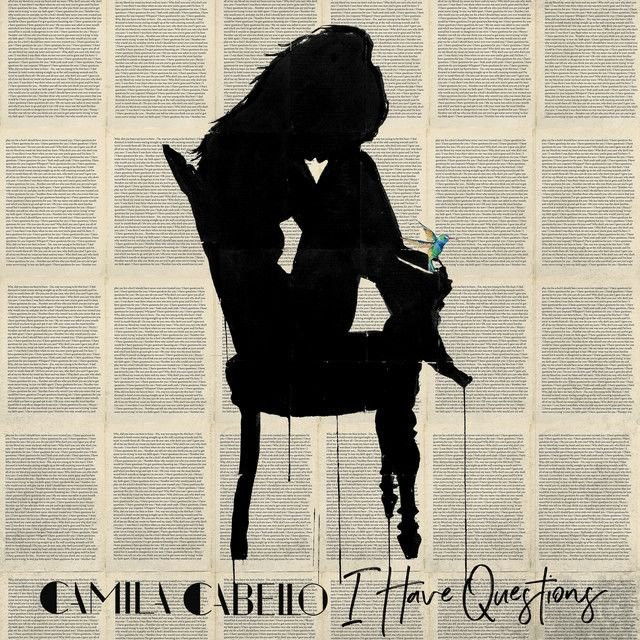
Why Camila Cabello's Pain Still Echoes
The meaning of I Have Questions Camila Cabello comes down to one painful idea: trust has been shattered, and the person left behind cannot move on without answers. Rather than sounding calm or neatly healed, the song lives in the messy middle of heartbreak. It is less about closure than about the need to speak after silence has done its damage.
"I Have Questions" - Camila Cabello
I'm way too young to be this hurt
I feel doomed in hotel rooms
Loading lyrics...
Unable to load lyrics
We're unable to display the lyrics at this time. Please try again later.
Released in May 2017 as a promotional single during Cabello’s first solo era, the song marked an important turning point in her career. According to publicly available release history and background notes, it was one of the earliest songs tied to her original album concept, The Hurting, The Healing, The Loving, before that project evolved into Camila.
The Song Turns Heartbreak Into an Interrogation
What makes this track stand out is its structure. Instead of simply saying they are hurt, the narrator presses the other person with direct accusations and unanswered doubts. The repeated hook I have questions for you
is not just a catchy line. It frames the entire song as a confrontation.
The verses show someone replaying damage in real time. Early images like hotel rooms
and staring at the wall create a lonely setting. The song suggests emotional isolation, not just sadness. They are alone with their thoughts, counting hurts and trying to numb them, which makes the betrayal feel ongoing rather than finished.
Interpretation: The “questions” are really symptoms of a deeper wound. The speaker does not only want facts. They want an explanation for why someone they trusted became dangerous to them.
Watch the official I Have Questions
music video
A Voice Speaking From Shock, Not Distance
The narrator sounds young, overwhelmed, and deeply wounded. One of the song’s most striking ideas is the line about being too young for this level of pain. Even without quoting much, the meaning is clear: they feel pushed into emotional adulthood too fast.
That matters because the song does not speak from wisdom after recovery. It speaks from inside the injury. When the singer asks Why don't you care?
, the question feels almost childlike in its simplicity. That simplicity is powerful. It cuts past drama and reaches the basic fear underneath betrayal: was any of it real?
Another key moment is the shift around the other person’s voice and name. The song describes intimacy turning threatening. Something that once felt safe now feels harmful. That reversal is central to the track’s meaning. Betrayal hurts most when it comes from a familiar source.
The Numbered Chorus Gives Chaos a Shape
One clever part of the writing is the numbered list in the chorus. The singer asks who you think you are
and then keeps going, building a case against the person who caused the hurt. This creates momentum, but it also reveals desperation.
People often make lists when emotions feel too big to hold. By numbering the questions, the song tries to organize confusion. Yet the effect is the opposite of calm. Every new question opens another wound.
How do I fix it?
Can we talk?
Is it my fault?
That late sequence is especially revealing. After all the anger, the song suddenly shows uncertainty and fear. The speaker is not only accusing. They are also doubting themselves. That emotional swing makes the song feel human. Anger and longing can exist at the same time.
Sound and Production Make the Hurt Feel Physical
The production plays a huge role in the meaning of I Have Questions Camila Cabello. Reports on the song’s composition consistently describe a dark arrangement built around a prominent cello line, with later drum-machine and hi-hat elements giving it a trap-influenced edge.
That cello matters. It gives the track a dramatic, almost cinematic sadness. Instead of sounding polished and glossy, the song feels heavy and bruised. The sparse opening leaves room for Cabello’s voice to carry the emotion, and when the percussion enters, it does not release tension. It sharpens it.
Critics picked up on that intensity at the time. Reviews described the performance as raw, brooding, and poignant. Those responses fit because Cabello’s vocal delivery sounds less like a performance built for perfection and more like an emotional statement built for honesty.
Why the Song Mattered in Her Solo Era
Context adds a lot here. Cabello said the song came from a painful period and helped open up a more personal style of writing during her transition into solo work. That history matters because the track feels like a declaration: they are willing to be emotionally exposed, even if the result is uncomfortable.
The song also introduced a side of Cabello that was darker and more wounded than many casual listeners expected. In that sense, it worked as a mission statement for a new chapter. Even though it did not make the standard version of Camila, it remains one of the clearest windows into the “hurting” phase she described.
A Survivor’s Song, Not Just a Sad One
There are at least two strong ways to read the song.
Interpretation 1: It is a breakup song about one specific person who broke trust.
Interpretation 2: It speaks more broadly to any relationship where loyalty was betrayed, including friendships or professional bonds.
Both readings work because the lyrics stay focused on emotional truth rather than narrow detail. What finally gives the song its power is that it does not stay passive. Even in pain, the speaker demands accountability.
The Lasting Takeaway
The meaning of I Have Questions Camila Cabello is not simply sadness. It is the sound of someone refusing to let betrayal be rewritten or minimized. The song captures the moment when hurt becomes language.
That is why it still lands. It understands that healing does not always begin with peace. Sometimes it begins with questions.
Disclaimer: This article offers a good-faith interpretation of the song based on lyrics, artist commentary, and release context. Meaning can remain personal and open to multiple readings.









