
Why “Take Em to Church” Hits Like a Warning
The meaning of Take Em to Church Cam’ron, Juelz Santana, Un Kasa starts with a simple idea: this is not a spiritual song in the usual sense. It uses church language as a threat, a boast, and a way to frame street conflict as moral judgment.
"Take Em to Church" - Cam’ron ft. Juelz Santana, Un Kasa
This that harlem music right here
This that Diddy bop, get ready for the winner music
Loading lyrics...
Unable to load lyrics
We're unable to display the lyrics at this time. Please try again later.
Released during Dipset’s rise in the 2000s, the track comes out of a moment when Cam’ron and his circle were turning Harlem identity into a full style system—music, slang, fashion, and attitude. The song is credited to Cam’ron, Juelz Santana, Un Kasa, and other writers listed in the song data, and it is widely tied to the Dipset era that helped define New York rap in that period.
The Core Meaning: Respect, Retaliation, and Harlem Pride
At its core, the song is about defending status. The rappers present themselves as men who would rather avoid chaos, but who believe disrespect must be answered. Early on, Cam’ron frames that tension with the idea of wanting peace, then warning that speaking on his name will lead to consequences.
That is why the title phrase matters. In the chorus, Father forgive us
and take him to church
work together as a dark joke. They ask for forgiveness while also promising punishment. In other words, religion is not used here for comfort. It is used as courtroom language, almost like they are passing sentence.
Interpretation: “Church” becomes a metaphor for being exposed, humbled, or destroyed in a public way. The song treats conflict like a ritual where the enemy is dragged before a higher power, but the speakers are the ones acting as judge and executioner.
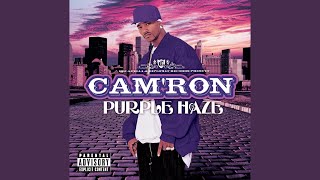
Watch the official Take Em to Church
music video
How the Verses Build That Message
Each verse adds a different layer to the same worldview.
Cam’ron’s opening verse mixes cool confidence with menace. He starts from diplomacy, but quickly moves into threats. He also mocks rivals who want acceptance after being doubted before. That shift matters. The song is not only about violence; it is also about memory. They remember who was real, who was fake, and who is now trying to come back.
Juelz Santana’s section widens the frame. He brings in crew history, neighborhood pain, legal trouble, and grief. References to people being shot, locked up, or killed turn the record into more than a routine diss. It becomes a report from a circle shaped by survival.
Un Kasa’s verse then adds another angle: community frustration. He says, in effect, stop pretending and do something useful. The line about getting a church or something
lands because it sounds sarcastic, but it also hints at a real need. If the streets are full of kids with no safe place to go, then somebody should build one.
The Chorus Turns Threat Into Doctrine
The hook is the song’s center of gravity. It is short, memorable, and loaded with irony.
Father forgive us
We gon take him to church
Father forgive us
And it’s the truth it hurts
This is the article’s only multi-line lyric quote, and even here the key idea is clear without needing more text: they know what they are saying is harsh, but they present it as justified. The phrase the truth it hurts
suggests that what they are doing is not random aggression. In their eyes, it is honest correction.
Interpretation: The chorus lets them sound both guilty and righteous at the same time. That tension is a big part of why the song sticks.
Harlem Is Not Just a Setting
One of the most important parts of the meaning of Take Em to Church Cam’ron, Juelz Santana, Un Kasa is that Harlem is not background scenery. It is the song’s moral center.
Cam’ron opens by calling it Harlem music
. Later, the record closes with a long roll call of blocks, people, and local affiliations. That ending is not random filler. It works like a dedication, a map, and a loyalty check all at once.
For Dipset, Harlem was brand identity, but also proof of authenticity. They were not trying to sound universal first. They wanted to sound local in a way so vivid that the local became iconic. That is one reason the song feels so rooted: every boast points back to place.
How the Production Supports the Meaning
The production helps sell the song’s mix of swagger and threat. The beat feels sparse, hard, and processional, which fits the title perfectly. There is space in the instrumental, and that space lets every threat land harder.
The rhythm does not rush. Instead, it stalks. That pacing makes the verses feel less like arguments and more like declarations. The hook, with its chant-like repetition, adds to that church-meets-street mood. It sounds like a warning delivered from a pulpit, except the sermon is about power.
Vocally, Cam’ron’s relaxed delivery is key. He rarely sounds frantic. That calmness makes the bars feel colder. Juelz brings more emotional motion, while Un Kasa sounds grounded and blunt. Together, they create a crew record where each voice sharpens the same theme from a different side.
A Snapshot of Dipset’s Era
The song also reflects the larger Dipset aesthetic: flamboyant style, coded street talk, neighborhood pride, and playful but dangerous wordplay. Around the mid-2000s, Dipset had become a major force in rap culture, with Cam’ron and Juelz Santana at the center of that wave.
Reception-wise, songs like this helped build the group’s image as charismatic, territorial, and unmistakably New York. Even listeners who did not know every reference could feel the confidence and tension.
Final Take: What “Church” Really Means Here
In the end, this track is about what happens when pride, pain, and place all fuse together. It is a warning shot, a Harlem anthem, and a statement of crew loyalty.
The song uses religious language to make street consequences sound larger than life. That is why “church” feels powerful here: not as salvation, but as reckoning.
Disclaimer: This interpretation is based on the song’s lyrics, tone, and historical context. As with any rap record, some lines may mix literal detail, performance, exaggeration, and persona.








