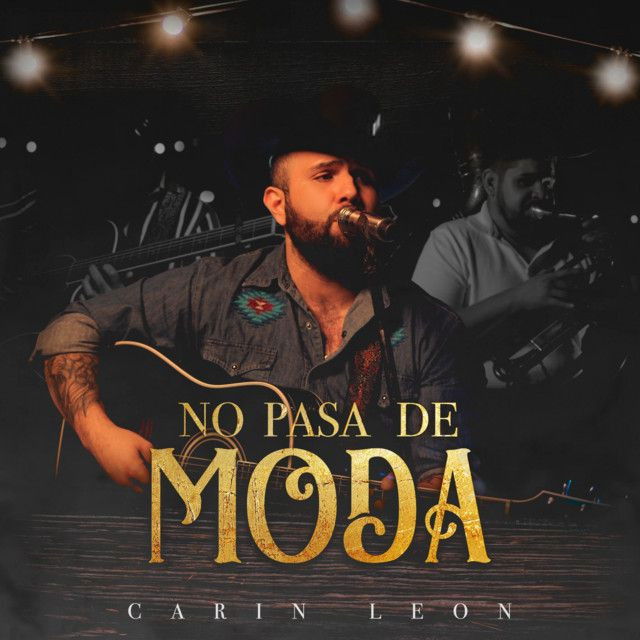
No Pasa De Moda by Carin Leon
Carin León turns a simple life lesson into a warm, sharp reflection on poverty, success, and the kind of wealth that lasts.
"No Pasa De Moda" - Carin Leon
Provided by LyricFindQue esperanzas que de morro yo me diera un gusto
O de perdida invitarle un trago a los amigos
Si con trabajo había para no morirse de hambreLoading...Loading lyrics...
Unable to load lyrics
We're unable to display the lyrics at this time. Please try again later.
What the Song Is Really Saying
The meaning of No Pasa De Moda Carin Leon centers on a value system: money comes and goes, but humility, family love, and real friendship do not lose worth. The narrator looks back on a hard childhood, remembers hunger and social struggle, and compares that past with the colder attitudes that often surround money in adult life.
This is not just a “started from the bottom” song. It is more specific than that. The verses suggest that hardship taught the speaker how to measure people correctly. They now see that wealth can attract false closeness, while sincere care is much harder to find.
When the song lands on the title idea, no pasa de moda
, it frames humility as something timeless. Fashion changes. Status changes. Cash disappears. Character should not.

Watch the official No Pasa De Moda
music video
From Hunger to Memory
The opening verses establish the emotional weight of the song. The narrator remembers being young and not even having enough for small pleasures, let alone comfort. They describe a life where survival came first and where even a modest treat felt out of reach.
That background matters because it gives the song moral authority. The speaker is not criticizing greed from a distance. They have lived on both sides of scarcity and relative success. Later, when they say they already know los dos lados de la moneda
, the point is clear: their opinion comes from experience, not theory.
Nostalgia Without Romance
Still, the song does not idealize poverty itself. It does not say being poor was beautiful. Instead, it misses what surrounded those years: fewer jealousies, better friends, and more honest smiles. That is an important distinction.
Interpretation: the song’s nostalgia is social, not economic. The speaker does not want hunger back. They want the human warmth that existed before money complicated relationships.
Friendship Over Status
One of the strongest ideas in the song is that money changes how people act. In the middle section, the narrator notices that people reach out when they see financial gain, even if they were absent when help was truly needed.
That leads to one of the song’s central claims: Vale mas tener amigos que dinero
. In plain terms, they argue that friendship has more lasting value than wealth. This line works because the earlier verses have already shown what fake support looks like.
The song also adds a practical edge to this belief. A true friend, the narrator says, shows up on time emotionally and morally. They do not need rewards, praise, or holy approval to do the right thing. That idea gives the track a grounded, everyday ethics instead of a grand philosophical pose.
The Mother Image at the Center
Another key detail is the mention of the mother’s embrace. The narrator says they value things less cold than money, especially un tierno abrazo
from their mother. This small image changes the scale of the song.
Suddenly, the message is not only about social criticism. It becomes intimate. A hug becomes the opposite of money: warm instead of cold, human instead of transactional, sustaining instead of temporary.
Interpretation: this may be the emotional core of the entire track. The song suggests that a person who still recognizes love in simple gestures is protected from spiritual poverty, even if they have little materially.
How the Hook Reframes the Whole Story
The chorus sharpens the message by comparing money to trends. Just as styles fade, wealth can arrive and disappear quickly. The song says cash como viene vuela
, which captures how unstable it is.
That makes the title line more than a catchy slogan. It becomes the answer to every verse that came before it. Hunger taught resilience. Success revealed opportunism. Memory preserved what mattered. So what should remain? Humility.
“Es que ser humilde
No pasa de moda”
Those closing words are brief, but they carry the whole argument of the song. The final lesson is not bitterness. It is discipline of character.
Why Carin León Fits This Message So Well
Carin León has built a reputation in regional Mexican music through a style that blends traditional forms with broad popular appeal, as reflected in his profile at Billboard. That matters here because “No Pasa De Moda” depends on emotional directness more than ornate writing.
The song was written by Oscar Armando Diaz de Leon, and the lyric voice matches the kind of plainspoken wisdom that often gives regional Mexican songs their staying power. Rather than hiding behind metaphor, it speaks clearly and trusts lived detail to do the work.
Sound and Delivery
Even without overcomplicated production, the likely effect of the arrangement is crucial: a steady regional frame lets the words feel conversational, almost like testimony. Carin León’s vocal style often carries grit and warmth at the same time, which suits a song balancing pride, memory, and restraint. Readers can hear that broader approach across his catalog on Spotify.
Final Take on the Meaning
The meaning of No Pasa De Moda Carin Leon is ultimately about moral permanence. The song argues that hardship can teach a person what lasts, and that real wealth is measured in love, loyalty, and humility rather than display.
Its best insight is also its simplest one: success is not the problem. Forgetting who mattered before success is the problem. That is why the song feels both personal and universal.
Disclaimer: This interpretation is based on the lyrics provided, the song’s language, and Carin León’s artistic context. As with any song, listeners may hear meanings that differ from this reading.








