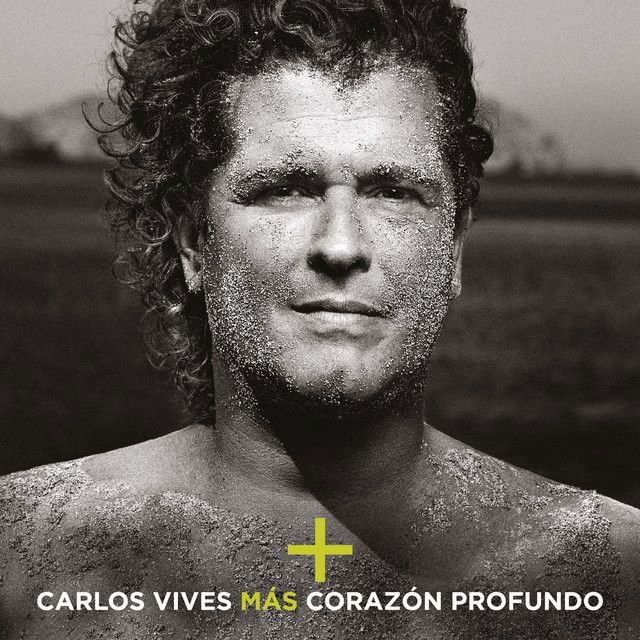
Cuando Nos Volvamos a Encontrar by Carlos Vives, Marc Anthony
They knew second chances rarely arrive with a marching band. In this duet, they show up as small, steady changes—paid bills, a fixed bike, a tidied garden—and the belief that love can turn the season. This guide unpacks the meaning of Cuando Nos Volvamos a Encontrar Carlos Vives, Marc Anthony for English-speaking listeners.
"Cuando Nos Volvamos a Encontrar" - Carlos Vives ft. Marc Anthony
Arregle un poco el jardín
Decore con flores
Loading lyrics...
Unable to load lyrics
We're unable to display the lyrics at this time. Please try again later.
Everyday chores as a map to a new self
The core story is simple: a person who once took love for granted wants to make it right. Instead of grand gestures, the verses list humble tasks—cleaning up, getting healthy, and learning—signs of real, lived change. The refrain Cuando nos volvamos a encontrar
sets the destination; the verses chart how to arrive there.
Interpretation: The song argues that accountability lives in routines. Quitting bad habits and embracing better ones rebuilds trust. It’s not the flowers alone, but who they become while planting them.

Watch the official Cuando Nos Volvamos a Encontrar
music video
Who’s speaking and why it matters
The narrator talks directly to a former partner, owning past immaturity. They even elevate their partner’s advice—Tus buenos consejos ahora son mi religión
—from a suggestion to a rule of life. That shift from rebellion to reverence signals a turning point.
Interpretation: By honoring the other person’s wisdom, the song reframes the relationship as a school for growth. Love isn’t just a feeling; it’s instruction they finally choose to follow.
A timeline of change you can feel
- Home and heart: The garden gets attention. Flowers show care and a readiness to nurture.
- Health and discipline: They cut vices and distractions, choosing presence over numbing out.
- Mobility and learning: A repaired bike and new language study imply motion and communication—moving forward and speaking better.
When the singer declares Nada volverá a ser como ayer
, it’s not a threat; it’s a pledge that the old patterns are done. Interpretation: The future won’t repeat the past because the person returning won’t be the same one who left.
The chorus as a promise of emotional safety
The chorus reshapes the verses’ to-do list into a haven. Lines like Ya no habrá tiempo para tristes despedidas
reject scenes of last-minute heartbreak. The repeated Cuando nos volvamos a encontrar
doesn’t just dream of reunion—it sets conditions for it.
Interpretation: The hook is less a plea and more a contract. The love will be greeted with clear boundaries—no more late-night tears, no more avoidable pain. The emotional weather report is sunny by design.
Symbols that turn regret into spring
Spring arrives as a symbol of renewal: Y traerá tu amor la primavera
. It’s not only seasonal color; it’s a promise that warmth follows the cold spell between them. The garden and flowers echo this, while the bicycle hints at balance and self-propelled progress.
Interpretation: The song treats change like gardening. Pull the weeds (bad habits), water the soil (daily attention), and trust that light returns. The partner’s affection is the catalyst, but growth depends on sustained effort.
How the music lifts the message
Carlos Vives roots the track in Colombian vallenato with bright accordion and guacharaca patterns, giving it a rustic, heartland feel. Marc Anthony brings salsa’s brassy lift and dramatic phrasing. Together, they trade lines like a conversation turning into celebration.
The arrangement feels up-tempo and buoyant, mirroring the hope in the lyrics. Percussion keeps the groove dancing forward, while horns open the chorus like a door to that promised morning. Production details stay clean and radio-ready, letting the vocal interplay—one grainy and earthy, the other smooth and soaring—sell the sincerity.
Factually, the track appears on Vives’s 2014 album Más + Corazón Profundo, co-written with long-time collaborator Andrés Castro. Interpretation: The blend of vallenato storytelling and salsa exuberance makes the apology feel joyous, not heavy—a strategic choice that frames responsibility as freedom, not punishment.
Alternate readings worth considering
- Separation and return: It could describe partners split by travel, work, or migration. The pledge is to build a gentler routine once calendars align. Evidence: the constant future tense and ritual promises.
- Grief to resilience: For some, the language of mornings without tears reads like healing after a loss. The spring metaphor becomes a way to honor memory while choosing life.
Interpretation: The text supports both, because it focuses less on the cause of distance and more on the quality of reunion.
Why it resonates now
For a U.S. audience navigating work-life crunch, the song’s moral is clear: real love lives in habits. It’s in taking the class, fixing the thing, and showing up. The melody feels like a festival, but the message is practical.
Final takeaway
They don’t promise perfection; they promise growth. In that sense, the song invites listeners to believe that love’s second bloom is possible when everyday choices point toward care.
Disclaimer: This is an interpretation based on lyrics, artist context, and production choices; individual meanings may vary.








