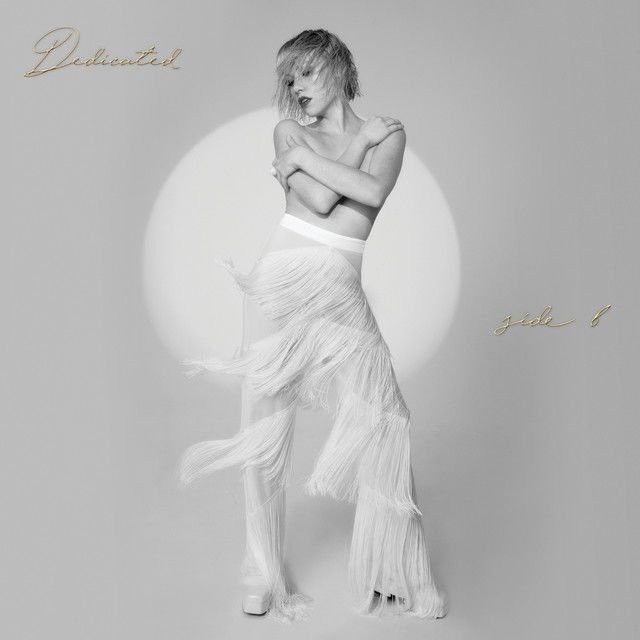
This Love Isn't Crazy by Carly Rae Jepsen
They come to Carly Rae Jepsen for glittering hooks, but they stay for the optimism that feels earned. This track balances both. It asks a simple question: can a relationship be intense and still be kind? For listeners searching the meaning of This Love Isn't Crazy Carly Rae Jepsen, the song answers with a bright, steady yes—if both people choose care over chaos.
"This Love Isn't Crazy" - Carly Rae Jepsen
I've been waiting for your star to shine
So bright
Loading lyrics...
Unable to load lyrics
We're unable to display the lyrics at this time. Please try again later.
The Heart of It: Holding On Without Harm
At its center, the narrator insists that real affection should be gentle, repeating love isn't cruel
. They admit the potential for hurt on both sides, yet they set a boundary. The hook reframes longing as a choice to nurture, not punish.
Interpretation: The song argues that stability isn’t boring; it’s brave. Believing in love becomes an act of strength, not denial.

Watch the official This Love Isn't Crazy
music video
Voice and View: A First-Person Plea Across the Distance
This is a first-person address to a partner, a mix of confession and invitation. They ask the other person to stand where I stand
—to see the relationship from their perspective. The tone is tender, but not passive. They want closeness, and they want it without meanness.
A Simple Plot You Can Feel
- Waiting and hoping: The narrator watches for a sign, craving reconnection.
- Private rehearsal: They talk to themselves at night, imagining the conversation.
- Naming the risk: Both people could hurt each other; that honesty is crucial.
- Choosing belief: The chorus turns doubt into a promise to persevere.
- Owning growth: They admit,
we were so insecure
, and lean toward change.
The desire is plain—I want you back
—but it’s paired with a standard: love must be kind.
The Hook as a Promise, Not a Delusion
That’s why we got to hold on, baby We could believe that this love isn’t crazy
This refrain is not reckless. It’s a check against drama. When they repeat hold on
, they’re not clinging to dysfunction; they’re anchoring to care. Interpretation: The word “crazy” is a stand-in for chaos or outside judgment. The narrator rejects both.
Symbols, Little Dreams, and Soft Boundaries
Jepsen sprinkles small, vivid images: a star that finally shines, a lullaby whispered at night, a dream that says enough without words. These details turn the relationship into a living scene. The hand-holding image signals mutual choice, not rescue.
The seasons line hints at time and patience—growth that changes slowly. Even desire, voiced in bed, is tempered by the rule that love isn't cruel
. Intimacy is welcome; cruelty is not.
Production Glow: 80s Pop as Emotional Armor
The song moves with an 80s-leaning synth-pop shine: springy keys, tight drums, and layered harmonies that build like a mantra. The bright palette keeps the mood buoyant, even when the lyrics admit vulnerability. That contrast is Jepsen’s signature—euphoria wrapping honesty.
As the opener to Dedicated Side B (2020), it sets a tone of forward motion. The chorus stacks voices until belief sounds communal, not lonely. Subtle dynamic lifts before each hook feel like taking a breath before making a promise.
Other Lenses Worth Considering
- Interpretation: Self-reassurance. The narrator could be convincing themselves to trust again after past hurt. The repeated lines work like a pep talk.
- Interpretation: Mutual renewal. The song reads as a reunion where both sides step in with clearer boundaries. Admitting
we were so insecure
leaves room for growth. - Interpretation: Against the spectacle. Calling the love “not crazy” pushes back on the idea that only wild, messy romance is real. Quiet devotion can be just as intense.
Takeaway: Belief Plus Boundaries
The track treats hope as a habit. It’s romantic, but not naïve. By insisting love should be kind and choosing to stay, the narrator models a gentle kind of courage.
Disclaimer: Song meaning is interpretive. This reading draws on lyrics, public context, and production choices; other interpretations may differ.









