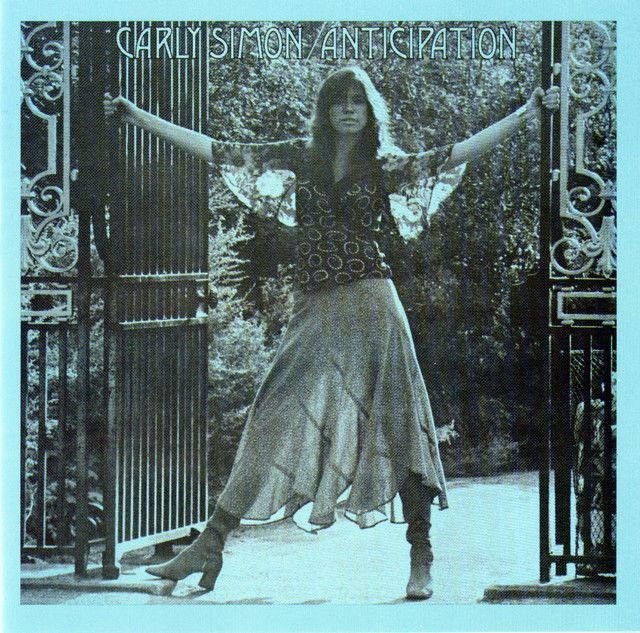
Why 'Anticipation' Still Feels So True
The meaning of Anticipation Carly Simon starts with a simple scene: someone waiting for a date, imagining the night before it fully begins. But Carly Simon turns that nervous pause into something bigger. The song is not just about romance. It is about how hope, worry, and fantasy can steal attention from the present.
"Anticipation" - Carly Simon
But we think about them anyway
And I wonder if I'm really with you now
Loading lyrics...
Unable to load lyrics
We're unable to display the lyrics at this time. Please try again later.
Released as the lead single from Anticipation in 1971, the track became one of Simon’s early signature songs. It peaked at No. 13 on the Billboard Hot 100 and No. 3 on Adult Contemporary, helping confirm her rise as a major singer-songwriter of the era. It was written by Simon and produced by Simon with Paul Samwell-Smith.
A Love Song About Time, Not Just Love
On the surface, the song describes the emotional stretch before and during a romantic meeting. The singer knows the future cannot be predicted, yet they keep leaning toward it anyway. That is the heart of the song’s tension.
Simon frames this with the title phrase Anticipation
, then gives it a twist: is makin' me late
. Paraphrased, the point is that looking ahead too much can make someone miss what is already happening. The delay is not physical alone. It is emotional.
Interpretation: This is why the song feels so universal. Even listeners who have never waited for a date recognize the feeling. They may have waited for a promotion, a breakup to end, or a better season of life. Simon captures that human habit of living one step ahead of the moment.

Watch the official Anticipation
music video
The Story Behind the Song Sharpens the Meaning
The song’s origin gives it extra charm. Simon said she wrote it very quickly while waiting for Cat Stevens to pick her up for a date, finishing it in roughly 15 to 20 minutes. That detail has been repeated in accounts of the song’s creation and helps explain why the lyric feels immediate and conversational.
Still, what matters most is how she expands that personal setup. Instead of staying trapped in one anecdote, she uses waiting as a doorway into a broader meditation. American Songwriter noted that Simon transformed a specific evening into a reflection on time and presence. That leap from private moment to shared truth is a big part of the song’s staying power.
How the Verses Build the Song’s Message
The first verse begins with uncertainty about the future. The singer admits people cannot know what comes next, yet they think about it constantly. Then comes the key doubt: are they fully here, or are they already running after a better day?
That idea grows in the second verse. The speaker says being with this person feels natural and right, but even that closeness has been mentally rehearsed. Simon uses the phrase rehearsed those words
to show that the relationship is already being scripted in the mind. The romance is real, but so is the self-conscious planning around it.
This is one reason the song feels honest instead of idealized. Simon does not pretend love is spontaneous and pure at every second. She shows how desire can make people stage-manage their own feelings.
The Chorus Turns Waiting Into a Warning
The chorus is memorable because it is catchy and wise at the same time. When Simon repeats keepin' me waitin'
, she is not only describing a late arrival. She is describing a state of mind.
Interpretation: The hook suggests that anticipation becomes a loop. A person waits for the event, then waits for certainty, then waits for proof that the feeling will last. In that cycle, the present never feels complete.
That is why the song’s best-known line lands so hard near the end. Simon reaches for the present with these are the good old days
. Paraphrased, she realizes people often recognize a beautiful moment only after it is gone. The song urges them to notice it now.
stay right here
these are the good old days
That brief closing idea gives the song its emotional release. It moves from nerves to clarity.
Why the Sound Matters So Much
Part of the meaning of Anticipation Carly Simon comes from the arrangement. The track blends acoustic intimacy with a fuller rock-ballad lift. Critics at the time praised its energy, and later commentary highlighted Paul Glanz’s piano and Andy Newmark’s focused drumming. Those touches matter because they mirror the lyric’s movement from quiet thought to emotional rush.
The vocal is especially important. Simon does not sing this as a dreamy fantasy. There is firmness in her delivery, even a little push. That makes the song feel grounded. The listener hears someone trying to steady themselves while feelings keep surging forward.
The ending also matters. Reviews have pointed to the song’s coda crescendo, which gives the closing message extra force. Musically, it feels like realization arriving in real time.
Why the Song Lasted Beyond the Charts
The song stayed in public memory partly because Heinz used it in famous ketchup ads beginning in the 1970s. That commercial tie-in playfully emphasized waiting, and Simon later said she thought the ads were funny and well done. Even so, the track lasted because the lyric says something deeper than the ad joke.
Its staying power comes from a feeling that never goes out of date: people keep postponing happiness until the next thing happens.
Final Take on Its Real Meaning
So what is the meaning of Anticipation Carly Simon? At its core, the song says that hope can be beautiful, but it can also distract. Simon starts with romantic expectancy and ends with a gentle life lesson: stop reaching past the moment you are in.
That is why the song still resonates. It understands that people are always waiting for life to begin, while life is already happening.
Disclaimer: This interpretation mixes documented background with critical reading of the lyrics and sound. Like all song analysis, some meanings remain open to the listener.








