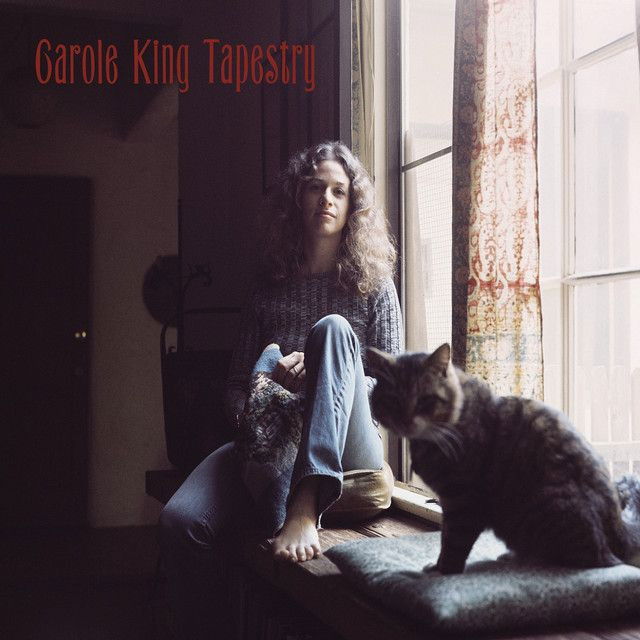
Will You Love Me Tomorrow? by Carole King
A Love Song That Asks the Hard Question
The meaning of Will You Love Me Tomorrow? Carole King starts with a simple but lasting fear: how can someone trust a promise made in a glowing romantic moment? The song is tender, but it is also cautious. It does not celebrate love as pure fantasy. Instead, it asks whether desire can turn into commitment.
"Will You Love Me Tomorrow?" - Carole King
You give your love so sweetly
Tonight, the light of love is in your eyes
Loading lyrics...
Unable to load lyrics
We're unable to display the lyrics at this time. Please try again later.
Written by Carole King and Gerry Goffin, the song first became a major hit for The Shirelles in 1960, reaching No. 1 on the Billboard Hot 100, a milestone often noted in histories of early pop and girl groups. Carole King later recorded her own version, which brought extra intimacy because listeners were hearing one of the writers sing the doubt at the heart of the lyric. That history matters because the song has always lived between pop sweetness and emotional realism.

Watch the official Will You Love Me Tomorrow?
music video
The Core Meaning Beneath the Romance
At its heart, the song is about vulnerability after closeness. The speaker is not unsure about what is happening in the present. They know the night feels beautiful, intense, and convincing. The problem is whether that feeling will survive tomorrow.
That is why the opening mood matters so much. The song begins with warmth and affection, but it quickly turns toward uncertainty. Phrases like mine, completely
and love so sweetly
suggest trust and surrender. Then the title question interrupts that comfort and changes the emotional ground.
Interpretation: The song is not accusing the other person of lying. It is showing the moment when pleasure and anxiety exist at the same time. That emotional split is what gives the lyric its staying power.
How the Lyrics Build That Tension
The verses move in a very clear emotional pattern. First, they describe a tender present. Then they test that present against the future.
A few key ideas shape that movement:
- The present feels sincere and magical.
- The future feels uncertain.
- The speaker wants honesty more than fantasy.
When the lyric asks whether this is a lasting treasure
or a moment's pleasure
, it frames the whole song. The issue is not just romance. It is durability. Is this experience part of a real bond, or only a brief emotional high?
The same thing happens with the line about words that are not directly spoken. The song suggests that affection can be communicated through mood, touch, and atmosphere, but the speaker still wants something firmer. They want truth that can survive daylight.
But will my heart be broken
When the night
Meets the morning sun?
This is the song's strongest image. Night stands for closeness, secrecy, and desire. Morning stands for consequence, clarity, and truth. In plain terms, the speaker is asking whether the relationship will still mean something once the emotional heat fades.
Why the Chorus Hits So Hard
The chorus does not become bigger by adding new information. It becomes stronger by repeating the same question. That repetition matters because it sounds like a need that cannot be brushed aside.
The line Will you still love me tomorrow?
is direct, almost plain. That plainness is the point. Many love songs hide behind grand poetic language, but this one chooses a question anyone can understand. That makes it feel honest and exposed.
Interpretation: The chorus is powerful because it asks for emotional security, not just affection. The speaker does not only want to be wanted tonight. They want to know they will not be abandoned after giving trust.
Carole King's Context Changes the Meaning
Carole King and Gerry Goffin were central figures in the Brill Building era, writing pop songs that mixed catchy structure with sharp emotional insight. Knowing that context helps explain why this song feels both polished and personal. It was built for mainstream pop, yet it carries a surprisingly serious emotional conflict.
Carole King's own later version is often heard as more reflective than the youthful urgency of The Shirelles' hit. That does not change the lyric's meaning, but it can shift the emotional color. In King's voice, the song can sound less like teenage uncertainty and more like a timeless question about trust in love.
How the Sound Supports the Story
Musically, the song is gentle, balanced, and melodic. That softness matters. The arrangement does not overwhelm the listener with drama. Instead, it lets the unease arrive quietly.
The melody rises with longing, while the steady rhythm keeps the song grounded. That contrast mirrors the lyric: the heart is reaching forward, but the mind is asking for proof. In many versions, the vocal delivery is calm rather than explosive, which makes the fear feel even more real. They are not panicking. They are trying to stay composed while asking something deeply personal.
A Feminine Voice of Doubt and Strength
One reason the song remains important is that it gives emotional authority to the person asking the question. They are not passive. They are careful. They are asking for clarity before getting hurt.
For a pop hit from its era, that was significant. The song presents romantic desire, but it also insists on self-protection. That balance between softness and strength is one reason the lyric still feels modern.
Why the Song Still Connects Today
The meaning of Will You Love Me Tomorrow? Carole King still resonates because the fear inside it has never gone away. People still wonder whether intimacy means commitment, whether promises made in a charged moment can survive ordinary life, and whether asking for reassurance will bring comfort or disappointment.
That is why the song lasts. It turns a private question into a universal one. Beneath its sweetness is a serious emotional truth: love is not only about what someone feels now, but what remains when tomorrow arrives.
Disclaimer: This interpretation is based on the released lyrics, performance context, and common critical readings. As with any song, meaning can vary from listener to listener.









