Why “You’ve Got a Friend” Still Comforts
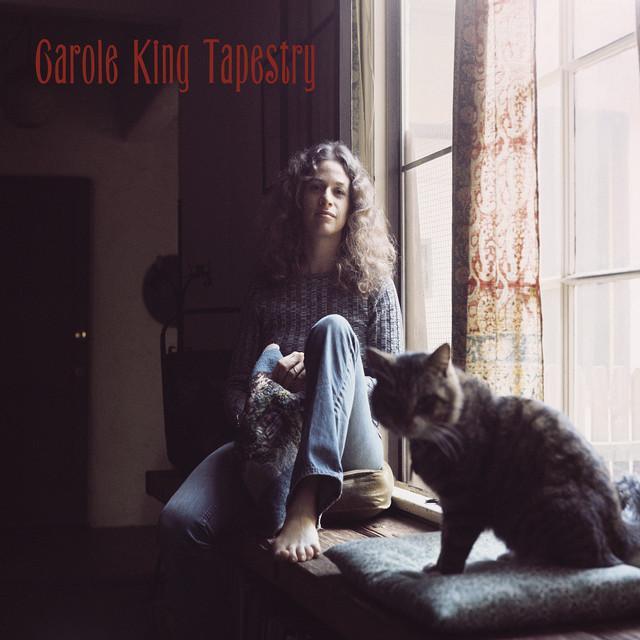
The meaning of You've Got a Friend Carole King comes down to one simple promise: no one has to face pain alone. Written by Carole King and released on Tapestry in 1971, the song has lasted because it turns emotional support into plain, direct language. It does not offer grand advice. Instead, it offers presence.
"You've Got a Friend" - Carole King
And you need some lovin' care
And nothin', nothin' is goin' right
Loading lyrics...
Unable to load lyrics
We're unable to display the lyrics at this time. Please try again later.
That choice is what makes the song feel timeless. When life becomes heavy, the singer does not ask for strength, success, or even optimism. They offer to show up.
A Promise Bigger Than a Love Song
Factually, Carole King wrote the song, and it appeared on Tapestry, one of the defining singer-songwriter albums of the 1970s. The album was released in 1971 through Ode Records, and King was credited as writer while Lou Adler produced the album version. Those details are well documented in standard discographies and album histories such as the Rock & Roll Hall of Fame and Encyclopaedia Britannica.
The song’s emotional idea is larger than romance. Its opening images place the listener in a low moment, using phrases like down and troubled
and a world where nothing feels right. Instead of explaining the problem, the song moves straight to care. That makes it feel universal.
Interpretation: this is why the song works for so many kinds of relationships. It can sound like friendship, family, or romantic devotion. The lyrics stay broad enough for listeners to place their own life inside them.

Watch the official You've Got a Friend
music video
How the Lyrics Build Trust
The verses are written as reassurance. First, they name distress. Then they answer it. The listener is told to think of me
, and the singer promises to arrive emotionally, if not physically, to ease the darkness.
That pattern matters. The song does not deny suffering; it recognizes it and then counters it with loyalty. Later, the hook becomes even plainer through call out my name
. In story terms, that line removes every barrier. Help is not distant, formal, or conditional. It is one call away.
Winter, spring, summer or fall
All you have to do is call
This brief section is the heart of the song. It says support lasts through changing seasons, moods, and circumstances. The idea is not just availability. It is consistency.
The Chorus Turns Comfort Into Certainty
The chorus lands because it replaces fear with a repeated guarantee: you've got a friend
. That phrase is simple, but simplicity is the point. The song speaks with almost childlike clarity, which makes the comfort feel honest rather than poetic for its own sake.
Interpretation: the hook also carries a subtle emotional shift. In the verses, the listener is vulnerable and shaken. In the chorus, they are reminded of what they possess already: connection. The song turns friendship into a form of emotional shelter.
Cold People, Warm Shelter
One of the song’s strongest moments comes when it admits that people can be cruel. The line about people being so cold
changes the tone slightly. Until then, the song sounds soothing; here, it becomes protective.
That matters because the song is not naive. It knows the world can wound people, leave them, and take advantage of them. By including that warning, King gives the song more depth. Friendship is not presented as a nice extra. It is presented as a defense against loneliness and emotional harm.
Interpretation: this is where the song’s kindness becomes strongest. It does not only comfort sadness. It pushes back against despair.
Why the Sound Makes the Words Believable
Part of the meaning of You've Got a Friend Carole King comes from the recording itself. King’s version on Tapestry is built around warm piano, soft drums, restrained backing vocals, and an unhurried pace. That gentle arrangement supports the lyric’s promise instead of overpowering it. Album credits for Tapestry note King on piano and voice, with a close-knit group of Los Angeles session players shaping its intimate feel, details reflected in sources like AllMusic.
Their vocal delivery is key too. King does not belt the message like a dramatic anthem. They sing it with calm assurance, which makes the promise sound credible. The performance feels like someone sitting nearby, not someone preaching from a stage.
That is also why the song crossed easily into other versions, especially James Taylor’s famous 1971 recording. His cover helped widen the song’s reach, but it kept the same emotional center: closeness, softness, and reliability. The GRAMMY Hall of Fame and major music histories often mention both recordings when discussing the song’s legacy.
Why It Endures Across Generations
The song lasts because it speaks to a fear that never goes away: being abandoned in a hard moment. Its answer is short, memorable, and deeply human. Everyone wants to believe that one person will still answer when the sky grows dark.
For American listeners especially, the song has become part of a wider cultural language of comfort. It shows up in memorials, benefit concerts, and moments of public grief because its message is easy to share without sounding shallow.
Final Take
The meaning of You've Got a Friend Carole King is not complicated, but it is powerful. The song says that loyalty is healing, that presence matters more than perfect words, and that true friendship stays steady through changing seasons.
That is the reason it still resonates. It offers one of pop music’s clearest statements of care.
Disclaimer: This interpretation mixes documented facts with critical reading. Meaning can vary by listener and context.








