Why "Goodbye to Love" Still Hurts
The meaning of Goodbye To Love Carpenters begins with a breakup from hope itself, not from a specific person.
"Goodbye To Love" - Carpenters
Provided by LyricFindI'll say goodbye to love
No one ever cared if I should live or die
Time and time again the chance for love has passed me byLoading...Loading lyrics...
Unable to load lyrics
We're unable to display the lyrics at this time. Please try again later.
A farewell aimed at the idea of romance
The meaning of Goodbye To Love Carpenters is not about one dramatic split. It is about someone who feels worn down by long-term loneliness and decides that expecting love is more painful than living without it.
From the first lines, the speaker sounds exhausted rather than angry. When they say goodbye to love
, they are not rejecting romance because it is foolish. They are protecting themselves after too many missed chances and too many empty days.
Interpretation: This is a song about emotional self-defense. The speaker is trying to turn resignation into strength, even if they do not fully believe it yet.
Watch the official Goodbye To Love
music video
The voice of the song: defeated, but not empty
They sound certain, then uncertain
A key part of the song’s power is that the speaker keeps shifting between finality and doubt. They claim they must live my life alone
, which sounds firm. But later, they admit the future is unknown and they may one day see things differently.
That tension matters. It keeps the song from becoming a simple statement of despair. The speaker wants to close the door, but they still know life can surprise people.
The emotional timeline in plain terms
The lyric moves through a clear arc:
- They feel neglected and passed over.
- They decide to stop waiting for love.
- They imagine loneliness as their new normal.
- They admit the future may prove them wrong.
That last turn gives the song depth. Even at its saddest, it leaves a narrow crack for hope.
How the chorus changes the whole message
The repeated title phrase works like a vow. Each time the song returns to goodbye to love
, it sounds less like a cold decision and more like a person trying to convince themselves they can survive it.
That is why the chorus hurts. It is simple, but it carries years of disappointment behind it. The speaker is not just ending a dream. They are trying to end the need for that dream.
I'll say goodbye to love
No one ever cared if I should live or die
Time and time again, the chance for love
Has passed me by
In that short passage, the song frames love as something that keeps moving past the speaker. They are not only lonely; they feel unseen.
The central themes hiding in plain sight
Several themes shape the song’s meaning:
- Resignation: The speaker chooses withdrawal over more disappointment.
- Isolation: They imagine
empty days
and loneliness as companions. - Bitterness and memory: Past hurt still controls the present.
- Uncertainty: Even while they quit, they admit they could be wrong.
The phrase wheel of fortune
is especially important. It suggests life changes without warning. That image softens the song’s sadness, because it reminds listeners that pain is real but not always permanent.
Why the sound matters as much as the lyric
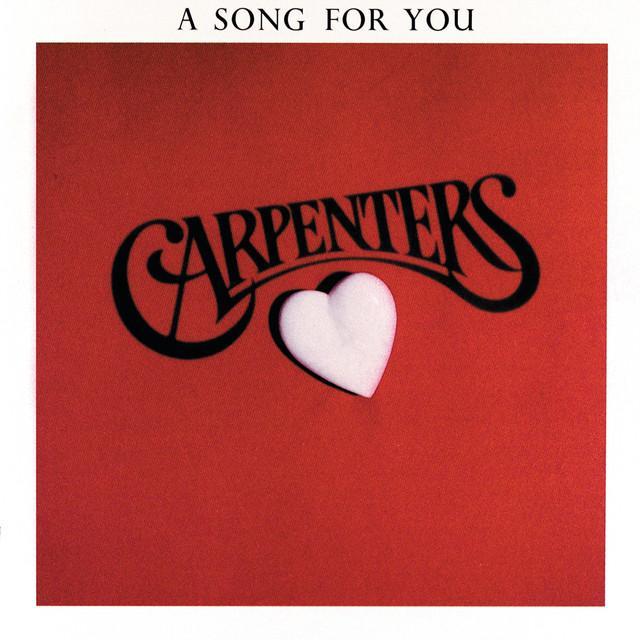
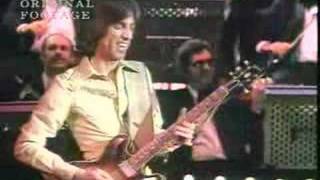
Musically, the track is famous for the contrast between softness and force. According to the song’s release history, it came out in 1972 on A Song for You, written by Richard Carpenter and John Bettis and produced by Jack Daugherty with Carpenters. It reached No. 7 on the Billboard Hot 100 and is often described as an early power ballad. The recording is also known for Tony Peluso’s fuzz-guitar solo, a bold choice in a Carpenters single.
That solo is not decoration. It acts like bottled-up grief finally breaking loose. The verses are controlled and elegant, with Karen Carpenter’s voice carrying the sadness in a calm, almost conversational way. Then the guitar tears through that calm.
Interpretation: The arrangement suggests a person who appears composed on the surface while intense hurt burns underneath. The fuzz guitar gives that hidden pain a voice.
Richard Carpenter later recalled urging Peluso to let the solo explode rather than stay gentle, and that decision changed the song’s identity. Some listeners at the time even criticized the record for sounding too hard. In hindsight, that risk is part of what made it memorable.
Context makes the song even richer
The title itself has a striking origin. Richard Carpenter said he got the idea from the 1940 film Rhythm on the River, where a fictional song called “Goodbye to Love” is mentioned but never performed. He imagined what that unseen song might sound like, and John Bettis later completed the lyric.
That backstory fits the finished song almost perfectly. It feels like a song about something imagined, chased, and never fully reached. Love becomes a kind of absence the speaker has spent years trying to name.
Karen Carpenter’s performance is crucial too. They do not oversing the sadness. Instead, the vocal stays measured, which makes lines about rejection and solitude feel more believable. The restraint is the heartbreak.
One song, two possible readings
There are at least two strong ways to read it:
Reading one: a final retreat
The most direct reading is that the speaker has given up. They are tired of searching and are settling into solitude.
Reading two: a temporary shield
A second reading is that the speaker is not truly done with love. They are trying to survive a low point by declaring an ending they may not keep.
The lyric supports both views. It sounds decisive, yet it leaves room for change.
Why it still connects today
The song lasts because it understands a common feeling: the moment when hope starts to feel risky. Many love songs describe falling in. This one describes stepping back before more hurt can happen.
That emotional honesty, plus the contrast between Karen Carpenter’s tender delivery and Peluso’s fierce guitar, gives the track its lasting force.
Disclaimer: This interpretation is based on the lyrics, recording choices, and documented song history. As with any song, listeners may hear different meanings in it.







