How "Alvorada" Turns Dawn Into Hope
The meaning of Alvorada Cartola starts with a simple image: daybreak over a hill. But the song does more than describe a pretty morning. It turns dawn into a symbol of comfort, love, and emotional survival.
"Alvorada" - Cartola
Ninguém chora, não há tristeza
Ninguém sente dissabor
Loading lyrics...
Unable to load lyrics
We're unable to display the lyrics at this time. Please try again later.
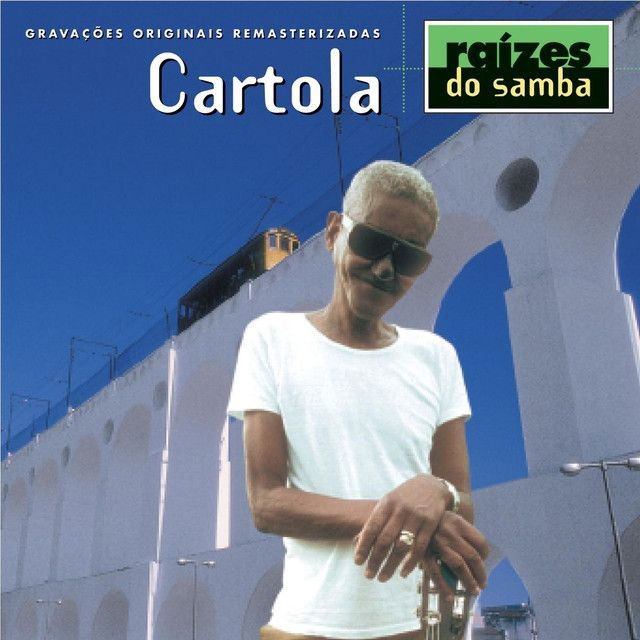
Cartola was one of samba's great poets, widely recognized as a central figure in Brazilian music history through his work as a composer and Mangueira founder, as documented by institutions such as the Encyclopaedia Britannica and Dicionário Cravo Albin. In "Alvorada," that poetic strength shows in how a calm scene opens into something much deeper.
A Sunrise That Means More Than Morning
On the surface, the song praises dawn in the morro, or hillside community. The speaker describes that hour as pure beauty, using phrases like que beleza
and não há tristeza
. Those words create an ideal space where grief seems to pause.
That matters because the song does not sound naïve. It knows pain exists. The very act of saying no one cries implies that sorrow is normally close by. Interpretation: dawn is meaningful precisely because it interrupts hardship, even if only for a moment.
The repeated image of the sun and smiling nature also makes the morning feel alive. The world is not just lit; it is transformed. In that sense, dawn becomes a small miracle.
Watch the official Alvorada
music video
From Public Landscape to Private Feeling
A key shift happens when the song moves from the hill to a loved person. The lyrics compare that person to dawn, especially when they arrive iluminando
the speaker's lifeless paths. This is the emotional center of the song.
Instead of staying in a social landscape, the lyric turns inward. The loved one does what morning does: they restore direction, color, and movement. The speaker had been spiritually drained, almost wandering without purpose.
Você também me lembra a alvorada
Quando chega iluminando
Meus caminhos tão sem vida
That short passage shows why the song feels so tender. Dawn is no longer just weather or scenery. It becomes a way to explain what love feels like when someone arrives at the right time.
The Lost Road Beneath the Beauty
The most revealing part of the lyric comes after the brightness. The speaker admits there is little left to them, describing life as wandering on uma estrada perdida
. That image changes the song.
Now the listener can hear the sunrise differently. It is not just celebration. It is relief after confusion. The beauty of the opening chorus becomes stronger because the verse quietly reveals emotional exhaustion.
This contrast is why the meaning of Alvorada Cartola feels layered. One section imagines a world without bitterness. Another admits that the self can feel nearly empty. The song holds both truths at once.
Why the Refrain Matters
The refrain keeps returning to the same morning scene. Structurally, that repetition acts like a reset. After the verse speaks of emptiness and being lost, the chorus returns with calm assurance.
Interpretation: the repeated dawn may represent memory, faith, or the mind's need to keep reaching for light. It does not erase pain, but it offers a place to stand above it.
How Cartola's Style Carries the Meaning
Cartola's music is often praised for pairing elegant melody with emotional restraint, a quality noted in summaries of his career by sources like the Encyclopaedia Britannica. That balance fits "Alvorada" perfectly.
Even without getting lost in technical detail, listeners can hear how the song's samba-rooted flow supports the lyric. The melody rises gently instead of dramatically. The rhythm gives the song motion, but not urgency. That makes the dawn feel natural, as if it is slowly spreading across the landscape.
The language also works musically. Words suggesting color, smiling nature, and illumination sound soft and open. The song does not push emotion too hard. It lets warmth build through repetition.
A Song About the Morro, Too
There is also a broader reading worth noting. The hill in the lyric is not a random setting. In Brazilian song, the morro often carries social meaning tied to samba culture, community life, and working-class experience. Cartola's own identity is deeply linked to Mangueira and the cultural world of the morro, as documented by the Dicionário Cravo Albin.
Interpretation: when the song says the dawn on the hill is beautiful and free from sorrow, it may be imagining dignity in a place often overlooked or stereotyped. The lyric gives the morro radiance instead of misery.
That reading fits the personal one rather than replacing it. The song can be both intimate and communal. Dawn shines on a neighborhood, and on a wounded heart.
Why "Alvorada" Still Feels Fresh
Part of the song's power is its simplicity. There is no complicated plot. There is just a scene, a feeling, and a comparison. Yet those elements are enough to suggest loneliness, healing, beauty, and belonging.
For American listeners meeting Cartola through translation, that simplicity helps. Even if some cultural nuance is missed at first, the emotional movement is clear: darkness, then light; emptiness, then presence; drifting, then direction.
In the end, "Alvorada" says that hope may arrive quietly. It may look like sunrise over a hillside. It may look like a person walking into a tired life and making it glow again.
Disclaimer: This interpretation is based on the lyrics, known context around Cartola, and the song's imagery. As with any poetry, listeners may hear different meanings.








