What 'Left, Right' Really Sells
The meaning of Left, Right Casanova, Chris Brown, Fabolous is not hidden or mysterious. It is a blunt, nightclub-centered record about sex, ego, alcohol, and performance. Rather than telling a deep story, the song builds a mood: fast, reckless, flirtatious, and proudly excessive.
"Left, Right" - Casanova ft. Chris Brown, Fabolous
Say you love me, fuck the whole crew
Take a shot, I'ma take two
Loading lyrics...
Unable to load lyrics
We're unable to display the lyrics at this time. Please try again later.
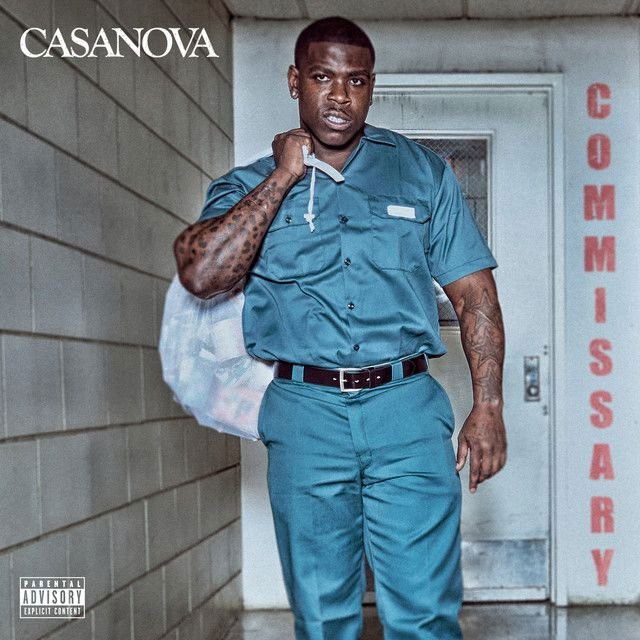
Released on October 27, 2017, as a Casanova single featuring Chris Brown and Fabolous, the track arrived during a period when Casanova was rising from Brooklyn street-rap buzz into bigger mainstream collaborations. According to publicly available discography information, it came out through 2x Entertainment, Warehouse, and Roc Nation. That context matters because the song sounds designed to widen his reach beyond hard-edged Brooklyn rap and into a more radio-friendly party lane.
The Core Message Behind the Chaos
At its center, the song treats intimacy like a contest. The repeated hook, left, right
, turns sex into rhythm, motion, and bravado. It is less about romance than about energy and control.
The verses keep reinforcing that same idea. The speakers present themselves as people chasing pleasure in the moment, with few limits and no real emotional stakes. They talk about drinking, going out, hooking up, and showing off. In simple terms, the song is about nightlife as a stage where desire and status get acted out loudly.
Interpretation: what gives the record its shape is not love or connection, but performance. Everyone in the song seems to be playing a role: the confident star, the willing partner, the crowd watching the scene unfold.
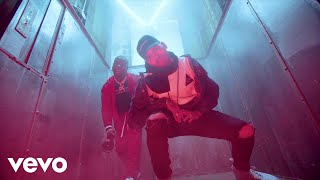
Watch the official Left, Right
music video
How the Hook Turns the Song Into a Chant
The chorus is the key to why the record sticks. Casanova and Chris Brown reduce the whole song to a physical pattern, something almost percussive. Hit it with the left, right
works like both a sexual boast and a dance-like command.
That matters because the line is simple enough to feel communal. Even when the verses get more graphic, the chorus pulls everything back into a repetitive club chant. It makes the song easy to remember and easy to react to in a live setting.
Hit it with the left, right
Hit it with the left, right
Paraphrased, the hook says the same thing over and over: they want the listener to feel motion, impact, and repetition more than story detail. The phrase becomes the whole brand of the song.
Three Voices, One Basic Theme
Casanova brings raw force
Casanova's role is the most aggressive. His writing leans on bluntness, body language, and street-party confidence. He frames the night as something wild and immediate, where liquor and lust blur together. When he mentions turn up on a Tuesday
, the point is not the day itself. It is the idea that the party mindset never really stops.
That fits his broader image from the late 2010s: a Brooklyn rapper who often projected toughness, directness, and heavy physical energy.
Chris Brown adds melody and slickness
Chris Brown helps make the record smoother and more commercial. His vocals soften the edges just enough to turn a hard boast into a catchy R&B-rap crossover. He does not change the song's content much, but he changes how it lands.
Instead of sounding only confrontational, the hook becomes slick and melodic. That is important to the song's meaning too: seduction here is packaged as entertainment.
Fabolous adds polish and wit
Fabolous arrives with the most playful phrasing. His verse still stays inside the song's sexual and hedonistic frame, but he delivers it with more wordplay and cool detachment. Lines like good girl
and hoe for the night
show his usual style of flipping familiar ideas into punch lines.
Interpretation: Fabolous does not deepen the message so much as sharpen it. He turns the same themes into a smoother, more polished flex.
The Song's Main Themes
Pleasure without attachment
No one in the track sounds interested in commitment. The encounters are temporary, impulsive, and built around chemistry, alcohol, and bragging rights.
Masculinity as spectacle
The men in the song are always proving something. They boast about stamina, control, and status. That is a common rap theme, but here it is pushed into almost cartoonish form.
The party as permission
References to drinking, clubs, and late-night behavior create a space where normal rules seem suspended. The song suggests the party allows people to become bolder, messier versions of themselves.
Why the Production Matters So Much
Musically, the track supports its message with a pounding, repetitive structure. The beat is built to hit hard and leave space for the hook to dominate. Instead of detailed musical shifts, it relies on bounce, repetition, and a club-friendly pulse.
That production choice supports the song's meaning. A subtler instrumental might have exposed how thin the narrative is. This beat does the opposite: it turns repetition into the point. The record is meant to feel physical first and thoughtful second.
Chris Brown's melodic presence also helps bridge rap toughness and R&B nightlife sheen. That blend was especially common in the late 2010s, when songs often aimed to work in both strip-club and streaming playlists.
Context Makes the Song Easier to Read
Casanova's rise came out of Brooklyn rap, but collaborations with artists like Chris Brown and Fabolous helped position him for larger audiences. Publicly available career summaries note that he also shared touring spaces with both artists around that era, including Chris Brown's 2017 Party Tour connections. That helps explain why this track feels like a chemistry record as much as a statement single.
In other words, the song is doing industry work too. It presents Casanova as someone who can sit between street rap, club rap, and melodic crossover.
So What Is 'Left, Right' About?
In the clearest terms, it is about lust turned into spectacle. The meaning of Left, Right Casanova, Chris Brown, Fabolous comes from how it treats sex and nightlife as repetitive, public, and performative. The hook reduces desire to a chant, the verses turn confidence into competition, and the production makes sure the listener feels motion more than emotion.
Interpretation: the song is less a confession than a sales pitch for a lifestyle: loud nights, no strings, and endless swagger.
Disclaimer: This interpretation is based on the song's lyrics, performance style, and release context. Meaning can vary from listener to listener.








