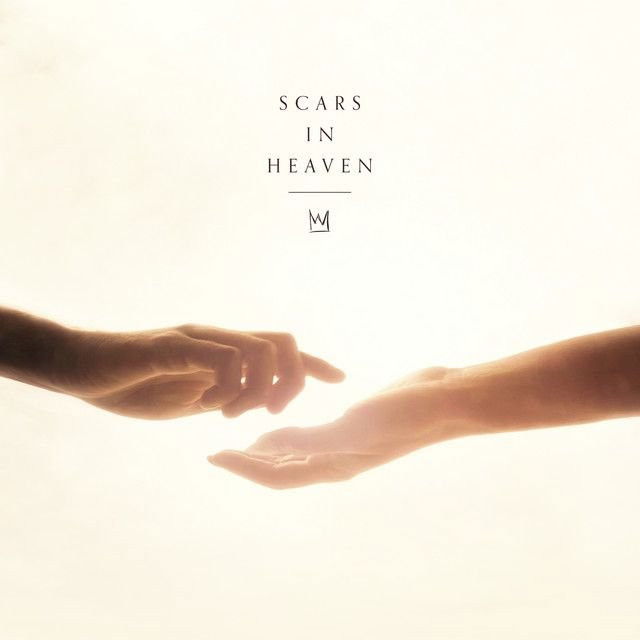
Scars in Heaven by Casting Crowns Meaning
The meaning of Scars in Heaven Casting Crowns comes down to one powerful idea: grief hurts now, but the song asks listeners to picture a loved one fully healed in heaven. That shift is why the track has connected so strongly with people facing loss.
"Scars in Heaven" - Casting Crowns
I would've put off all the things I had to do
I would've stayed a little longer, held on a little tighter
Loading lyrics...
Unable to load lyrics
We're unable to display the lyrics at this time. Please try again later.
Released on Healer in 2021, the song arrived at a time when many families were carrying fresh grief. According to Songfacts, it was widely embraced as a comfort song during the pandemic era. That context matters, because this is not abstract theology. It is a song built to sit beside mourners.
A Grief Song That Refuses Despair
At the start, the speaker looks back with regret. They wish they had stayed longer, held on tighter, and known the last goodbye was really the last. That opening captures a common part of mourning: the mind replaying what could have been done differently.
A short phrase like the last time
carries that shock. The loss feels sudden even if death was expected. Then the song turns from regret to ache, describing an inner wound left by absence.
Interpretation: The first verse is not really about death itself. It is about the empty space death leaves in everyday life. The singer gives voice to that silence, then begins to answer it with faith.

Watch the official Scars in Heaven
music video
The Chorus Turns Pain Toward Hope
The chorus contains the song’s core message. It says heaven is a place where people are no longer damaged, no longer sick, and no longer defined by what hurt them here. In that vision, all the old
is made new.
The key twist is the title image: the only scars in Heaven
. The song says those scars do not belong to the dead person being mourned. They belong to Christ, echoed in the line about the hands that hold you now
.
This idea matches a Christian reading of Jesus’ resurrected body in John 20:24-29, where His wounds remain visible after resurrection. In other words, the song imagines heaven as a place where human suffering is erased, while Jesus’ scars remain as signs of sacrifice and love.
Where the Song Came From
The emotional force of the song is tied to real family loss. Frontman Mark Hall said it was shaped by the deaths of his maternal grandparents and by watching his mother grieve. As reported by The Christian Post, Hall said seeing his mother go through that pain was especially hard.
That backstory explains why the writing feels direct instead of poetic for its own sake. John Mark Hall and Matthew West are not trying to sound mysterious. They are trying to be useful to hurting people.
How the Verses Build the Message
The second verse broadens the song’s focus. It recognizes that the person who died had a difficult earthly journey, one marked by struggle and injury. A phrase like your share of scars
stands for illness, hardship, age, and emotional pain.
Then the song answers that image with a brighter one: standing in the sun
. That is simple language, but it suggests warmth, peace, and total relief. The pain is not merely reduced. It is far away.
Later, the final verse returns to the perspective of the living. The person who remains still sees the loved one in memory and character, living on in the good they passed down. Yet the song does not pretend reunion has already happened. The singer still has a race to run.
Hallelujah, hallelujah
for the hands that hold you now
This short bridge works like a release. Instead of explaining grief, it worships through it.
Why the Music Sounds So Gentle
Casting Crowns lean into a soft adult contemporary and Christian pop style here. The arrangement is slow, spacious, and careful, allowing the lyric to stay in front. Piano, restrained percussion, and gradual swells support the message without overpowering it.
That production choice matters. A bigger, more dramatic track could have turned the song into spectacle. Instead, the band sounds like they are making room for tears. The melody rises in the chorus, but the performance stays tender, which helps the hope feel believable rather than forced.
Why So Many Listeners Hold Onto It
Part of the song’s staying power is that it balances two truths. First, grief remains real. The tears do not disappear. Second, faith changes how the loss is pictured. The loved one is not trapped in suffering anymore.
According to Songfacts, the song has been used widely in funerals, memorials, and grief groups. That reception makes sense. It offers mourners a script for talking about heaven without denying heartbreak on earth.
The Lasting Meaning of the Song
In the end, the meaning of Scars in Heaven Casting Crowns is comfort through Christian imagination. The song invites listeners to stop focusing only on the body that failed or the goodbye that hurt, and instead picture a beloved person restored, safe, and held by Jesus.
Interpretation: Its deepest claim is not that grief ends quickly. It is that hope can live beside grief, and sometimes even soften it.
That is why the song continues to matter. It gives sorrow a place to stand, but it does not leave sorrow with the final word.
Disclaimer: Song meaning is always part fact, part interpretation. The analysis above draws on the lyrics, artist comments, and Christian imagery surrounding the song, but individual listeners may hear it differently.








